
Beautiful Plants For Your Interior
Beautiful Plants For Your Interior
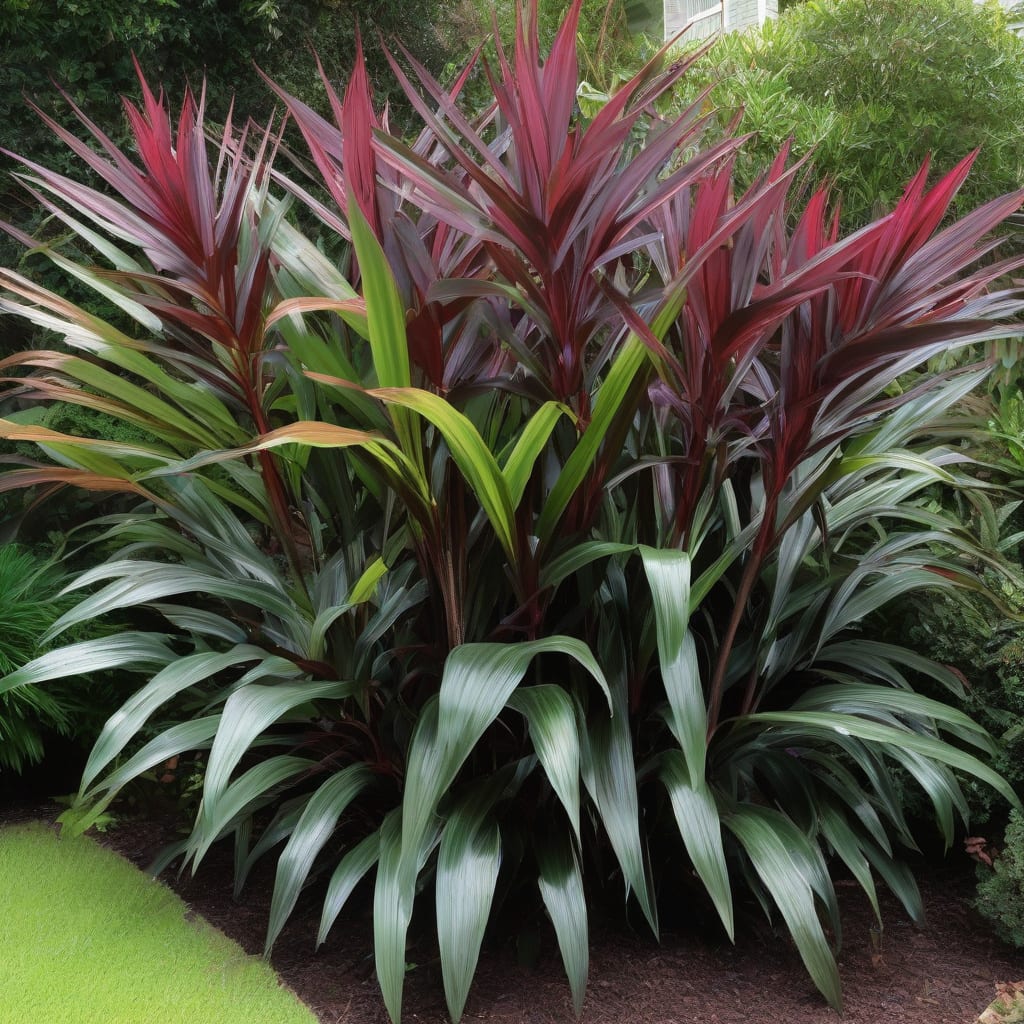
I’ve always been fascinated by Cordyline plants 🌿 and their ability to add dramatic vertical interest to gardens. Understanding their growth potential is crucial for perfect placement in your outdoor space.
Cordyline plants can grow anywhere from 3 to 15 feet tall, depending on the variety and growing conditions in your USDA Zone 6 garden. Let’s explore the factors that affect their height and how to manage their growth effectively.


Cordyline plants are known for their dramatic vertical growth, but their ultimate height depends on several key factors. Understanding these factors is crucial for gardeners who want to maximize their plant’s growth potential or maintain a specific height.
The primary factors that affect Cordyline height include climate, soil quality, variety, and maintenance practices. Let’s explore how each of these elements influences the growth of these versatile plants.
The climate plays a significant role in determining the height of Cordyline plants. In warmer regions with longer growing seasons, these plants tend to grow taller, while in cooler climates, they remain more compact. For gardeners in USDA Zone, 6, where frost can occur, choosing the right variety and providing appropriate care can significantly impact the plant’s height.
Soil quality is another critical factor. Nutrient-rich, well-draining soil can promote healthier growth, potentially leading to taller plants. Gardeners can enhance their soil by adding organic matter like compost to improve its structure and fertility.
The variety of Cordyline is also crucial in determining its height. Some cultivars are bred to be compact and remain relatively short, making them ideal for smaller gardens or container planting. In contrast, other species can grow quite tall, adding a dramatic vertical element to landscapes.
Maintenance practices, including regular pruning and fertilization, can also influence the height of Cordyline plants. Pruning can help control the height and encourage bushier growth, while fertilization provides the necessary nutrients for optimal growth.
By understanding and managing these factors, gardeners can influence the height of their Cordyline plants to suit their garden design and preferences. Whether aiming for a tall, dramatic statement or a more compact, manageable size, the right combination of variety selection and care can help achieve the desired outcome.
Cordyline plants are versatile and can thrive in various conditions, making them a popular choice for gardeners. Their ability to adapt to different climates and soil types, combined with appropriate maintenance, allows for a wide range of growth possibilities.
Gardeners should consider their specific growing conditions and the needs of their Cordyline plants when planning their garden. By doing so, they can create a beautiful and thriving landscape that showcases these plants at their best.
With the right care and conditions, Cordyline plants can reach their full height potential, adding beauty and interest to any garden. Their adaptability and resilience make them a valuable addition to many landscapes.
In conclusion, the height of Cordyline plants is influenced by a combination of climate, soil quality, variety, and maintenance practices. By understanding these factors, gardeners can make informed decisions to achieve the desired height for their plants.
Cordyline plants come in various species and cultivars, each with its own growth characteristics and maximum height potential. Understanding these differences is essential for gardeners who want to choose the right variety for their specific needs and garden design.
The height of Cordyline plants can vary significantly across different varieties. Some compact cultivars are ideal for smaller gardens or container planting, while others can grow quite tall, adding a dramatic vertical element to landscapes.
The Cordyline australis, also known as the cabbage tree, is one of the tallest varieties, capable of reaching heights of 15 to 20 feet in ideal conditions. This variety is known for its fast growth rate, especially in warmer climates with mild winters.
In contrast, Cordyline fruticosa typically grows to a height of 6 to 10 feet. This variety has a slower growth rate compared to Cordyline australis but still adds a significant vertical element to gardens.
For gardeners looking for more compact options, there are several dwarf or compact cultivars available. These varieties usually reach heights of 3 to 6 feet, making them suitable for smaller gardens, containers, or as border plants.
When selecting a Cordyline variety, gardeners should consider not only the maximum height but also the growth rate and overall growth habit. This information helps in planning the garden layout and ensuring that the plants have enough space to grow.
It’s also worth noting that while Cordyline plants can grow quite tall, their height can be managed through regular pruning. Pruning not only helps control the height but also encourages bushier growth and can improve the overall appearance of the plant.
In addition to their height, Cordyline plants are valued for their colorful foliage and ability to add a tropical touch to gardens. Their versatility and adaptability make them a popular choice among gardeners.
By choosing the right Cordyline variety and providing appropriate care, gardeners can enjoy these plants’ unique beauty and growth characteristics for years to come 🌿.
Managing the height and growth of Cordyline plants is essential for maintaining their desired shape and promoting healthy development. By implementing proper care techniques, gardeners can influence the height and overall appearance of these versatile plants.
Regular pruning helps control height and encourages bushier growth 🌱.
Pruning is a crucial technique for managing Cordyline height. By removing dead or damaged leaves and trimming back tall stems, gardeners can maintain a desired height and encourage bushier growth. Pruning should be done regularly, ideally during the growing season, to achieve the best results.
Fertilization also plays a significant role in Cordyline growth management. Using a balanced fertilizer during the growing season provides essential nutrients that support healthy growth. Gardeners should follow the recommended fertilization schedule for their specific Cordyline variety to avoid over-fertilizing, which can lead to excessive growth.
The positioning of Cordyline plants can also impact their growth. Placing them in locations with appropriate sunlight and protection from extreme weather conditions helps maintain their health and desired height. Gardeners should ensure that their Cordyline plants receive the right amount of light and are sheltered from harsh winds or frost.
By combining these care techniques, gardeners can effectively manage the height and growth of their Cordyline plants. Whether aiming for a tall, dramatic statement or a more compact, manageable size, the right combination of pruning, fertilization, and positioning can help achieve the desired outcome 🌿.
