
Beautiful Plants For Your Interior
Beautiful Plants For Your Interior
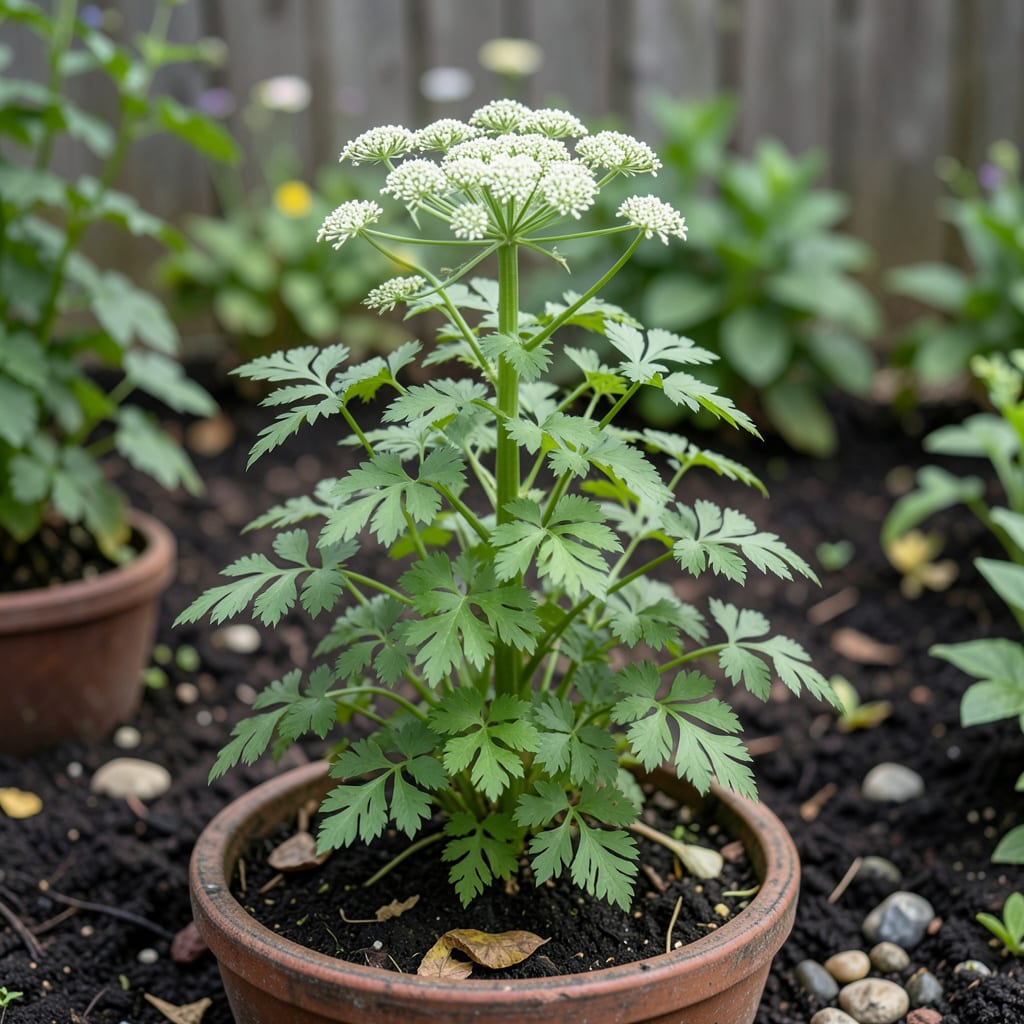
As I step into my garden, I’m greeted by the fresh aroma of Cilantro 🌿 growing in the spring season. Understanding how tall these plants can grow is crucial for successful cultivation.
Cilantro plants typically reach 1-2 feet in height, making them a great addition to various garden setups in USDA Zone 6. Let’s explore the factors that affect their growth and how to optimize their development.


Cilantro plants are known for their rapid growth and relatively short lifespan. Typically, they can grow between 1-2 feet tall, with some varieties reaching slightly higher heights under optimal conditions.
The growth cycle of cilantro can be broken down into several key stages: germination, vegetative growth, flowering, and seed production. Understanding these stages is crucial for maximizing yield and preventing premature bolting 🌿.
Cilantro plants usually reach their maximum height of 2 feet during the flowering stage. Factors such as temperature, light exposure, and soil quality can significantly impact their growth.
In USDA Zone 6, cilantro typically thrives during the spring season, from March to April. Planting 2-3 weeks before the last frost date, when the soil is around 55°F, can help optimize growth.
Cilantro’s fast growth rate means it requires consistent moisture and adequate sunlight. Ensuring the soil remains moist but not waterlogged is crucial for healthy development.
The plant’s height can be influenced by various factors, including soil fertility and spacing. Proper spacing allows for better air circulation and reduces the risk of disease.
Understanding cilantro’s growth stages helps gardeners plan their harvest. Leaves are typically ready to be picked when the plants are 4-6 inches tall, while seeds are harvested after the plant has flowered and dried.
To maximize yield, it’s essential to monitor the plants closely and harvest at the right time. Cilantro’s short growth cycle means that successive plantings are often necessary to maintain a continuous supply 🌼.
By understanding the factors that affect cilantro’s height and growth, gardeners can take steps to optimize their cultivation. This includes providing the right conditions and being mindful of the plant’s life cycle.
Cilantro’s growth habits make it an ideal crop for container gardening and small-space gardens. Its relatively small size and fast growth rate allow for multiple harvests throughout the growing season.
In summary, cilantro plants can grow up to 2 feet tall, with their height influenced by various environmental and cultivation factors. By understanding their growth stages and providing optimal conditions, gardeners can enjoy a bountiful harvest of this versatile herb.
For gardeners in USDA Zone 6, cilantro is a spring crop that can be successionally planted every few weeks to extend the harvest season. This approach ensures a continuous supply of fresh cilantro throughout the growing season.
By following these guidelines and understanding cilantro’s growth patterns, gardeners can successfully cultivate this fast-growing herb and enjoy its fresh flavor in various dishes.
Cilantro plants are sensitive to their environment, and several factors can influence their height and growth rate. Understanding these factors is crucial for optimizing their development 🌿.
Temperature plays a significant role in cilantro growth. The ideal temperature for cilantro is between 50°F to 85°F. Temperatures outside this range can slow down growth or cause the plant to bolt.
In addition to these factors, spacing is also crucial. Proper spacing allows for better air circulation, reducing the risk of disease and promoting healthy growth.
Cilantro plants grown in containers can be just as successful as those grown in the ground, provided they receive adequate sunlight and water 🌼.
By understanding and controlling these factors, gardeners can optimize the growth of their cilantro plants and enjoy a bountiful harvest.
Regular monitoring of the plants’ condition and adjusting the growing conditions accordingly can help prevent common issues such as bolting and pest infestations.
For gardeners in USDA Zone 6, being mindful of the last frost date and soil temperature can help in planning the best time to plant cilantro.
In summary, cilantro’s height and growth rate are influenced by a combination of environmental and cultivation factors. By providing optimal conditions, gardeners can maximize their yield and enjoy fresh cilantro throughout the growing season.
To maximize cilantro height, gardeners should focus on providing optimal growing conditions. This includes ensuring the plants receive adequate sunlight and maintaining consistent soil moisture.
Plant cilantro in well-draining soil with a pH between 6.0 and 7.0 to promote healthy growth and maximize height 🌿.
Cilantro plants grown in containers can be just as successful as those grown in the ground, provided they receive adequate sunlight and water. Containers should have good drainage to prevent waterlogged soil.
Temperature is another critical factor in cilantro growth. The ideal temperature for cilantro is between 50°F to 85°F. Temperatures outside this range can slow down growth or cause the plant to bolt.
To prevent premature bolting, gardeners should ensure that their cilantro plants receive consistent moisture and are not exposed to extreme temperatures.
Regular monitoring of the plants’ condition and adjusting the growing conditions accordingly can help prevent common issues such as bolting and pest infestations.
For gardeners in USDA Zone 6, being mindful of the last frost date and soil temperature can help in planning the best time to plant cilantro.
In summary, maximizing cilantro height requires providing optimal growing conditions, including adequate sunlight, consistent soil moisture, and well-draining soil. By following these guidelines, gardeners can enjoy a bountiful harvest of this versatile herb 🌼.
Cilantro grows best in temperatures between 50°F to 85°F. Temperatures outside this range can slow down growth or cause the plant to bolt. Keeping the soil consistently moist also helps maintain healthy growth.
Water cilantro plants every 3 days, ensuring the soil remains consistently moist but not waterlogged. Adjust the frequency based on weather conditions to prevent root rot.
Yes, cilantro can be grown successfully in containers. Ensure the container has good drainage and receives 6+ hours of direct sunlight daily. Use well-draining soil with a pH between 6.0 and 7.0 for optimal growth.
To prevent premature bolting, ensure cilantro plants receive consistent moisture and are not exposed to extreme temperatures. Regular harvesting of leaves can also help delay flowering.
