
Beautiful Plants For Your Interior
Beautiful Plants For Your Interior
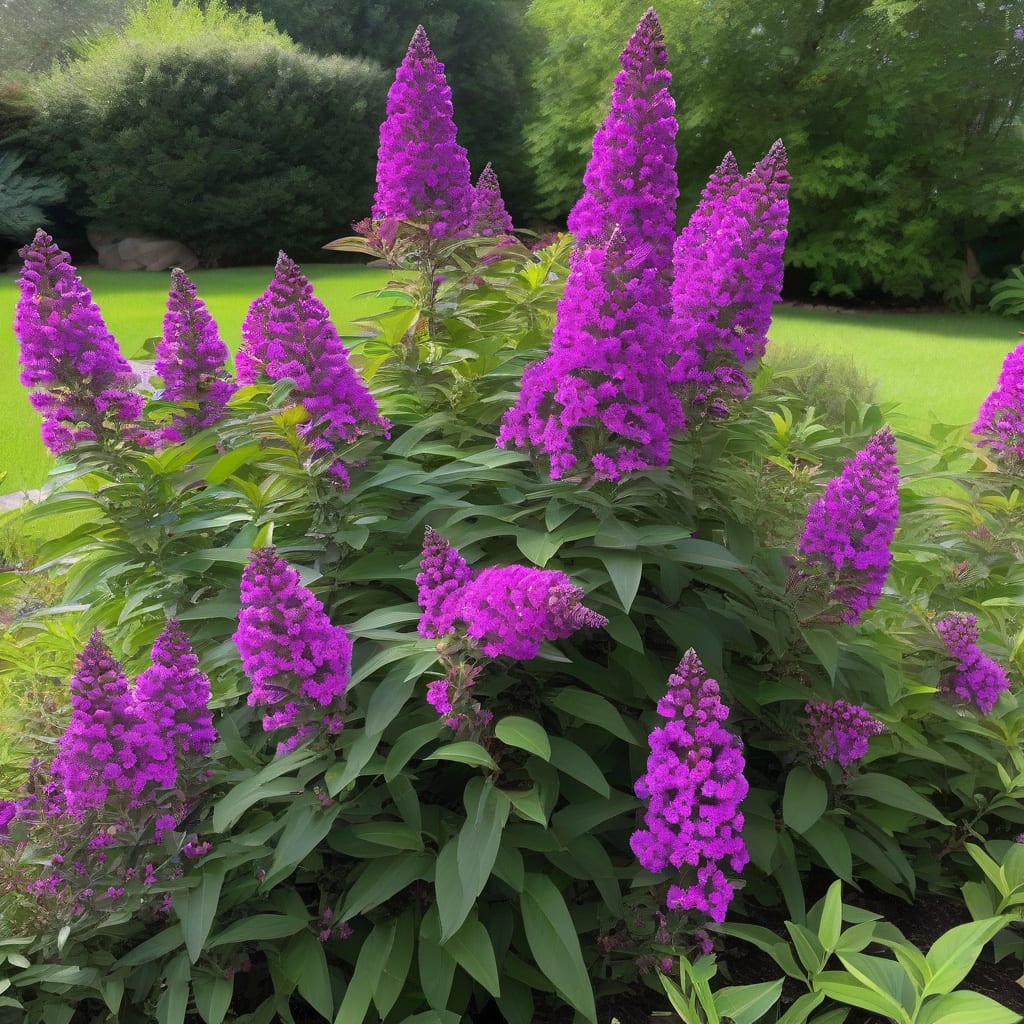
When planting a Butterfly Bush 🌼 in your garden, understanding its growth potential is crucial for optimal placement. These beautiful shrubs can transform your outdoor space, attracting pollinators and adding vibrant color.
In USDA Zone 6, Butterfly Bushes typically thrive, growing between 6-12 feet tall. Factors like soil quality, sunlight, and pruning practices will influence their mature height, making proper care essential for the best results.


Butterfly bushes are known for their impressive growth and vibrant blooms, but understanding their typical height range is essential for garden planning. These shrubs can grow between 6-12 feet tall, depending on the variety and growing conditions 🌼.
The height of butterfly bushes can vary significantly based on factors such as soil quality, sunlight exposure, and pruning practices. In ideal conditions, some varieties can reach heights of up to 12 feet, while others may remain more compact.
The Lo & Behold variety is a compact cultivar that typically grows to be around 2-3 feet tall, making it ideal for smaller gardens or container planting. In contrast, the Nanho Blue variety can reach heights of 4-6 feet, offering a slightly taller option while still being relatively compact.
Standard varieties of butterfly bushes are known for their vigorous growth and can reach heights of 6-12 feet when given optimal growing conditions. Factors such as full sun exposure, well and-draining soil contribute to their maximum height potential.
Understanding the typical height range of butterfly bushes is crucial for effective garden design. By selecting the right variety for your space and providing appropriate care, you can enjoy these beautiful shrubs to their full potential 🌿.
Butterfly bushes are not only a delight to behold but also serve as a vital source of nectar for pollinators. Their height and spread make them an excellent choice for adding structure and beauty to garden borders.
In addition to their height, the spread of butterfly bushes can also vary. Some compact varieties may have a similar spread to their height, while standard varieties can spread out more, creating a wider impact in the garden.
When planning your garden, consider the mature size of the butterfly bush and leave enough space for it to grow. Proper spacing ensures good air circulation, which can help prevent disease and promote healthy growth.
Regular maintenance, including pruning, can also influence the height and shape of butterfly bushes. Pruning in early spring can help control their size and encourage bushier growth.
By understanding the growth habits of butterfly bushes and selecting the right variety for your garden, you can create a beautiful and thriving landscape that attracts pollinators and adds visual interest throughout the growing season.
Overall, butterfly bushes are a versatile and attractive addition to any garden, offering a range of heights and growth habits to suit different needs and preferences.
The height of butterfly bushes can be influenced by several key factors, including soil quality, sunlight exposure, and pruning practices. Understanding these factors is essential for gardeners who want to optimize the growth and health of their butterfly bushes 🌼.
Soil quality plays a significant role in determining the height of butterfly bushes. These plants prefer well-draining soil that is rich in organic matter. Soil that is too dense or poorly draining can limit root growth, which in turn can affect the overall height of the plant.
The height of butterfly bushes is influenced by soil quality, sunlight, and pruning practices. Optimal conditions include well-draining soil and full sun exposure.
Sunlight exposure is another critical factor that affects the height of butterfly bushes. These plants thrive in full sun, requiring at least 6 hours of direct sunlight per day. Insufficient sunlight can lead to leggy growth and reduced flowering.
Pruning practices also play a crucial role in managing the height of butterfly bushes. Regular pruning can help control the size of the plant, encourage bushier growth, and promote more vigorous flowering. Pruning in early spring is particularly effective for maintaining the desired height and shape.
In addition to these factors, climate and watering practices can also impact the height of butterfly bushes. In areas with mild winters, butterfly bushes may grow more vigorously and reach greater heights. Consistent moisture, especially during the first year after planting, supports healthy growth.
By understanding and managing these factors, gardeners can optimize the growth and health of their butterfly bushes, ensuring they reach their full potential height and provide beautiful blooms throughout the growing season 🌿.
Regular maintenance, including fertilization and pest management, can further support the health and vigor of butterfly bushes, contributing to their overall height and flowering performance.
Overall, the height of butterfly bushes is a result of a combination of genetic and environmental factors. By providing optimal growing conditions and proper care, gardeners can enjoy these beautiful shrubs to their full potential.
Pruning is a crucial maintenance task for butterfly bushes, helping to control their size, promote healthy growth, and encourage maximum blooming 🌼.
To effectively manage the size of your butterfly bush, it’s essential to understand the proper pruning techniques. Pruning in early spring is recommended, as it allows for the removal of dead or damaged branches and helps maintain the desired shape.
Start by removing any dead, diseased, or damaged branches to prevent the spread of disease and encourage healthy growth.
Cut back old wood to the ground or to a strong lateral branch to promote new growth and maintain the desired size.
Shape the bush by cutting back the tips of branches to encourage branching and a fuller shape.
Regular pruning not only helps maintain the size of your butterfly bush but also promotes more vigorous blooming. By following these pruning steps, you can enjoy a healthy, thriving butterfly bush that adds beauty and attracts pollinators to your garden 🌿.
It’s also important to note that pruning can be done in late summer or fall, after the blooming period has ended. This helps prepare the plant for the next growing season and maintains its overall health.
By incorporating proper pruning techniques into your gardening routine, you can ensure your butterfly bush remains a vibrant and attractive addition to your landscape.
