
Beautiful Plants For Your Interior
Beautiful Plants For Your Interior
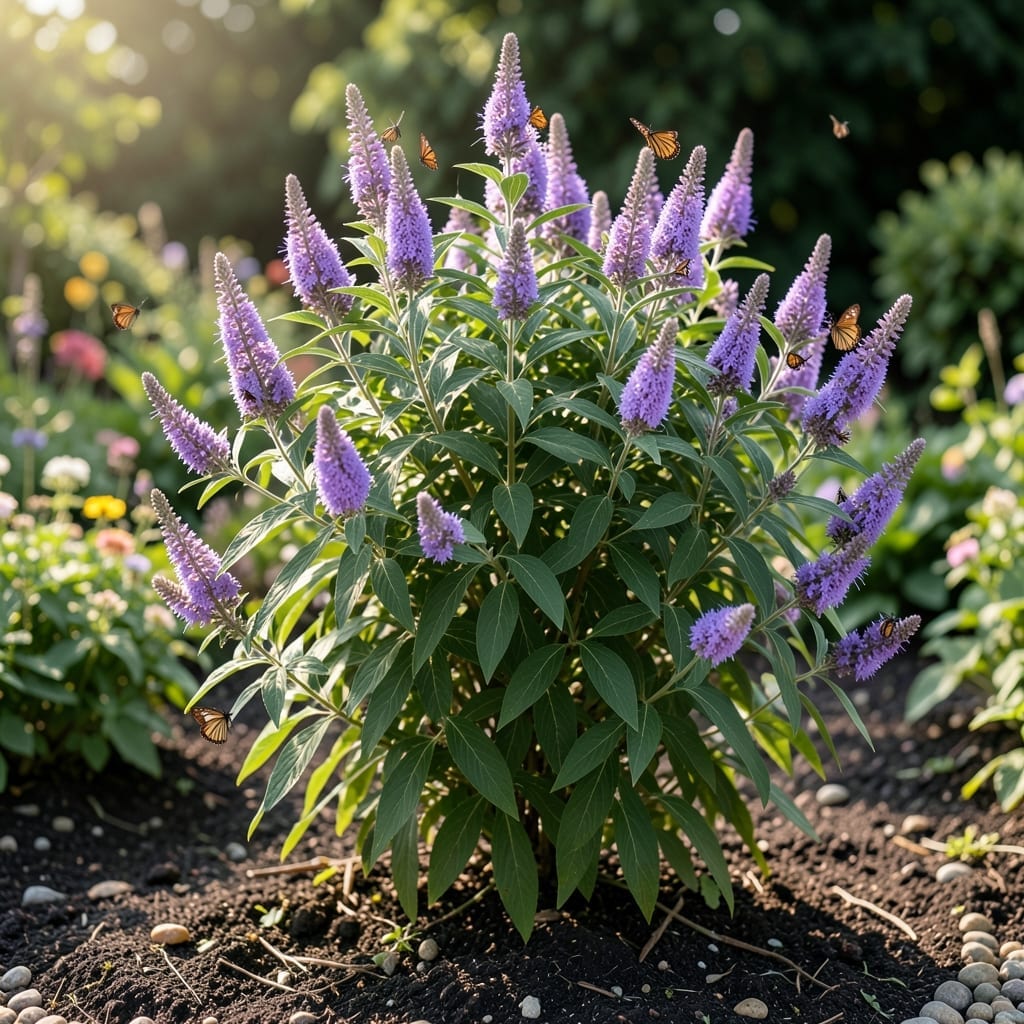
If you’ve ever admired the vibrant blooms of a Butterfly Bush 🦋, you might wonder just how big these pollinator magnets can get. These shrubs bring life to any garden, but their size can surprise first-time growers.
From compact dwarf varieties to towering specimens, Butterfly Bush height varies more than you might expect. Knowing what to expect helps you plan your space and create the perfect garden layout.
Let me share the typical height ranges and key factors that influence growth, so you can choose the right fit for your landscape.


Butterfly bushes, or Buddleia, can vary dramatically in size depending on the variety. I’ve seen these shrubs range from compact 2-foot dwarfs to impressive 12-foot giants in ideal conditions. Most gardeners can expect their mature plants to fall somewhere between 5 to 8 feet tall.
What surprises many is how quickly they grow. In just one season, a young plant can shoot up 2 to 3 feet, and by the second year, it often reaches 4 to 6 feet. This rapid growth makes them a favorite for filling garden spaces fast 🌱
| Variety | Mature Height | Notes |
| Dwarf | 2-3 ft | Perfect for containers or small gardens |
| Semi-Dwarf | 3-6 ft | Great for borders and mid-size landscapes |
| Standard | 6-12 ft | Ideal for privacy screens or back of borders |
| Giant | 10-15 ft | Best for large open spaces with ample room |
The standard varieties most commonly planted in gardens typically reach 6 to 8 feet tall with a similar spread. This makes them excellent for creating natural privacy screens or as a focal point in a mixed border. Their height also makes them highly visible to butterflies and hummingbirds.
For those with limited space, dwarf varieties like ‘Lo & Behold’ or ‘Buzz’ series stay under 3 feet tall. These compact bushes are perfect for containers or small garden beds. I love how they bring the same vibrant colors and pollinator benefits without overwhelming the space.
Environmental factors play a big role in final height. In warmer climates (USDA zones 7-9), butterfly bushes often grow taller than in cooler regions. Soil quality, water availability, and sunlight exposure also influence their size. I’ve noticed mine grow taller with full sun and regular watering.
Pruning practices can significantly affect height too. Hard pruning in early spring encourages bushier growth but may limit height. Conversely, light pruning allows the plant to reach its maximum potential. I recommend pruning back by one-third each year to maintain shape and encourage more blooms.
It’s also worth noting that some varieties can get quite wide. The ‘Black Knight’ cultivar, for example, can spread 4 to 6 feet while reaching 8 feet tall. This spread is something to consider when placing your butterfly bush in the landscape.
For gardeners in windy areas, taller varieties might need staking or support to prevent them from toppling over. I’ve found that planting them in sheltered spots or using garden ties can help maintain their upright form as they grow taller.
No matter the variety you choose, butterfly bushes are fast growers that can transform your garden quickly. Their height makes them versatile for many landscaping uses, from hedges to specimen plants. Just
Managing the height of your butterfly bush is essential for a well-maintained garden. I’ve found that regular pruning is the key to keeping these fast growers at your desired size while promoting healthier blooms and bushier growth.
The best time to prune is in early spring, just as new growth begins to appear. This timing helps prevent damage from late frosts while giving the plant plenty of time to recover and flourish during the growing season.
💡 Pruning Tips for Height Control
If you want a more compact butterfly bush, consider hard pruning. This involves cutting the plant down to 12-18 inches from the ground. While this seems drastic, it often results in more vigorous growth and abundant blooms.
For taller varieties, selective pruning works well. I focus on trimming the tallest canes to maintain a balanced height. This method preserves the natural shape while preventing the plant from becoming too leggy or top-heavy.
Don’t forget that watering and fertilizing also influence height. Over-fertilizing can lead to excessive growth, so I recommend using a balanced fertilizer and following the package instructions carefully ✂️
In container gardening, height control becomes even more important. I use dwarf varieties like ‘Buzz’ or ‘Lo & Behold’ which naturally stay under 3 feet. Even these can benefit from occasional pruning to maintain their shape and encourage more blooms.