
Beautiful Plants For Your Interior
Beautiful Plants For Your Interior
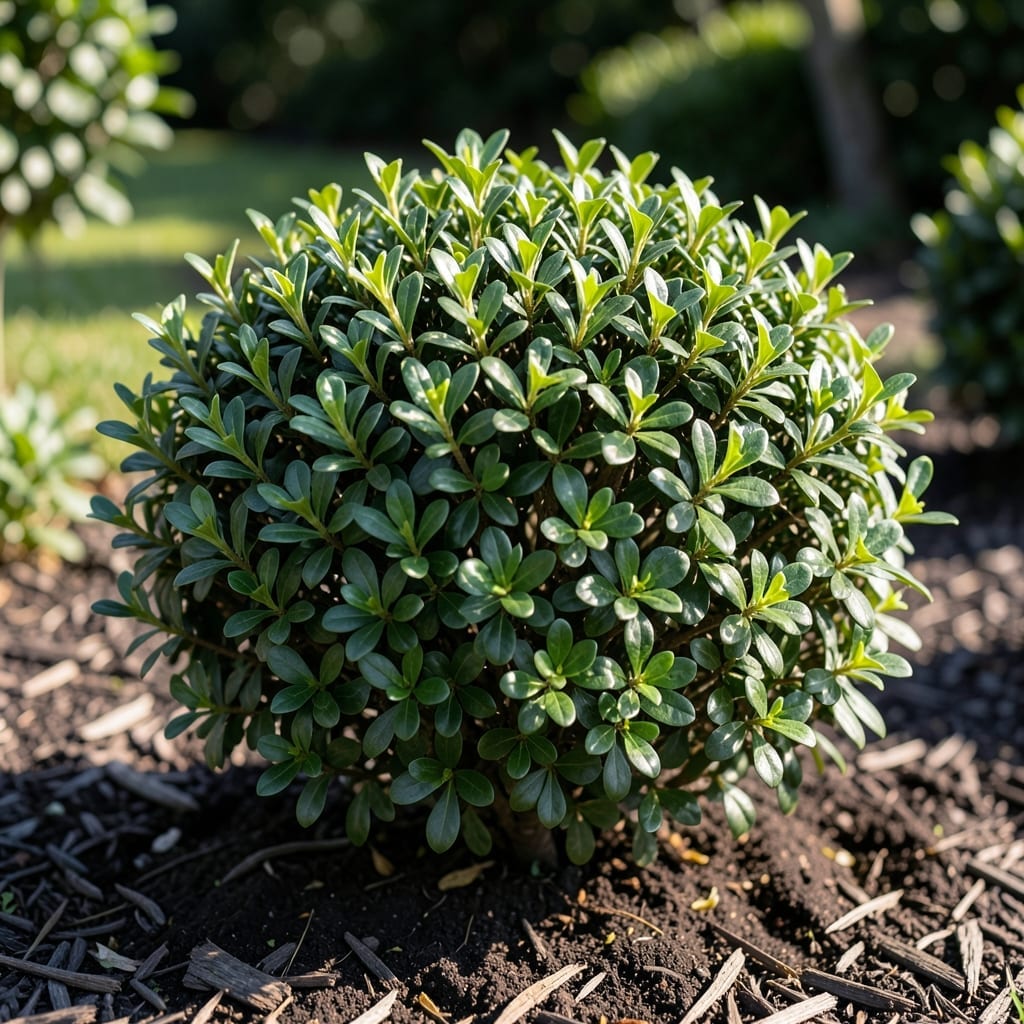
Boxwood shrubs are a gardener’s go-to for structure, privacy, and year-round greenery—but their mature height varies dramatically by variety.
Whether you’re designing a formal hedge or a low border, knowing how tall your 🌿 Boxwood Shrub will grow is the key to a well-planned landscape.
From compact dwarf types to towering specimens, I’ll break down the height ranges and how to choose the perfect fit for your space.


Boxwood shrubs come in a surprising range of sizes, from tiny ground covers to towering hedges. I’ve seen gardeners plant dwarf varieties for borders only to be shocked when they stay knee-high for years.
The key is knowing your specific cultivar—some like ‘Suffruticosa’ stay under 2 feet tall, while ‘American’ types can reach 15 feet if left unpruned. This variety makes them perfect for nearly any landscape need.
| Variety | Mature Height | Ideal Use |
|---|---|---|
| Dwarf English | 1-2 ft | Edging, containers |
| Japanese | 2-4 ft | Low hedges |
| English | 6-8 ft | Privacy screens |
| American | 10-15 ft | Tall hedges, windbreaks |
| Green Velvet | 3-4 ft | Foundation plantings |
For small spaces, I recommend ‘Suffruticosa’ or ‘Morris Dwarf’—both stay under 2 feet and thrive in containers. They’re perfect for urban gardens where space is limited.
If you need a medium-height hedge, ‘Green Velvet‘ or ‘Winter Gem’ are excellent choices. They reach 3-4 feet and respond well to shaping, making them ideal for formal gardens.
For tall privacy screens, ‘American’ or ‘Dee Runk’ boxwoods are your best bet. These can grow 10-15 feet tall and create a dense, evergreen barrier that lasts year-round.
Remember that growth rates vary by climate and care. In ideal conditions, most boxwoods grow 6-12 inches per year. Regular pruning helps maintain your desired height.
I’ve found that soil quality and sunlight exposure can affect final size too. Boxwoods in rich, well-draining soil with partial shade often reach their maximum potential faster.
For the most consistent results, I suggest planting in spring or fall and mulching heavily. This gives your boxwoods the best start for reaching their mature height range.
Whether you want a tiny border or a towering hedge, there’s a boxwood variety that fits. Just
Controlling boxwood height starts with selecting the right variety for your space. I’ve learned that even the most dwarf cultivars can outgrow small areas if not maintained properly.
For precise sizing, regular pruning is essential. I recommend trimming new growth in late spring and again in summer to keep your boxwoods at the perfect height.
Pro Tips for Height Control
For formal hedges, I suggest using a string line as a guide to maintain even height. This works especially well for medium varieties like ‘Green Velvet’ that need consistent shaping.
If you’re growing boxwoods in containers, root pruning every 2-3 years helps control both height and spread. This technique keeps potted boxwoods from becoming root-bound and stunted.
Remember that environmental factors affect growth rate. Boxwoods in full sun may grow faster but need more frequent pruning, while those in shade grow slower but stay naturally smaller.
For the most consistent results, I combine proper variety selection with seasonal pruning. This approach gives me the exact height I want without over-stressing my plants.
With these techniques, you can maintain your boxwoods at any height from 1 foot to 15 feet—perfect for any garden design.