
Beautiful Plants For Your Interior
Beautiful Plants For Your Interior
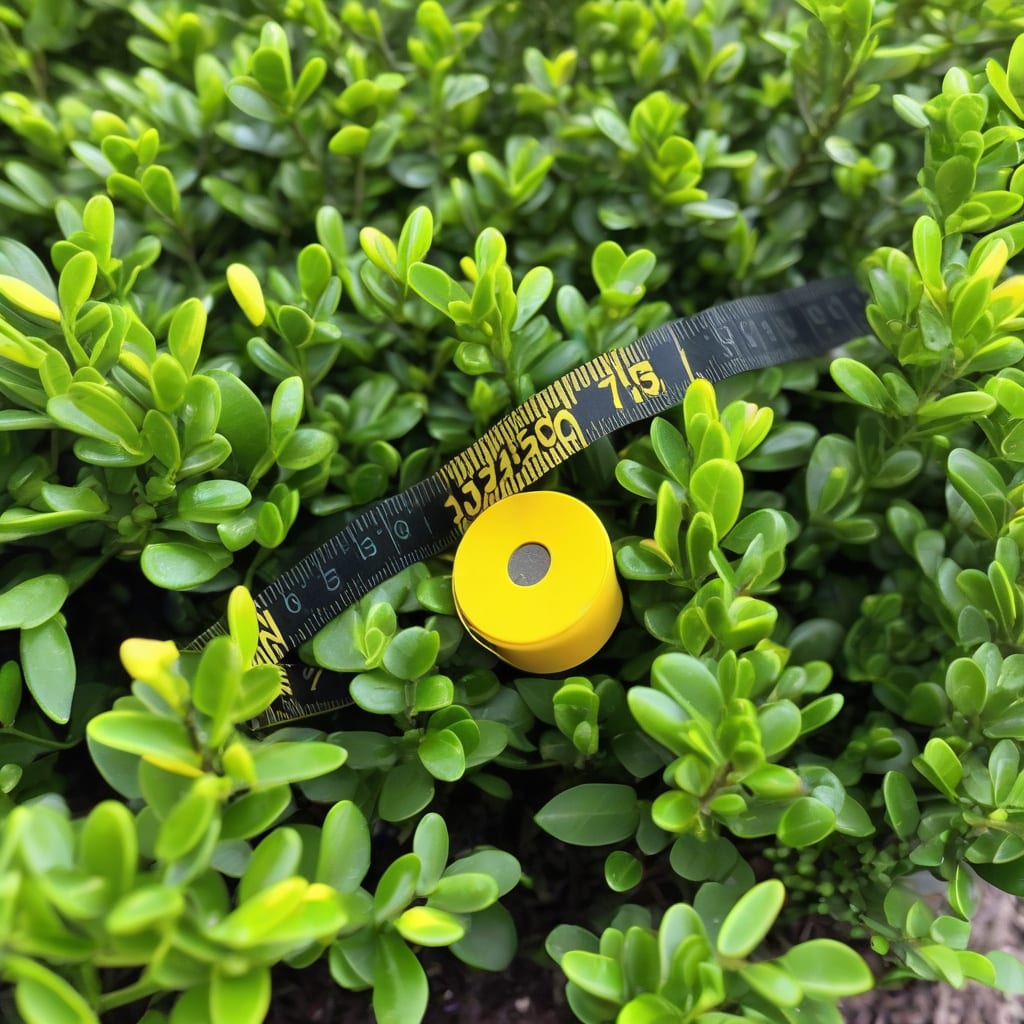
When planning your garden, understanding how tall your Boxwood 🌿 shrubs will grow is crucial for creating beautiful, balanced landscapes. The mature height of Boxwood shrubs varies significantly based on variety and growing conditions.
In general, Boxwood shrubs can grow between 3 to 10 feet tall, with some dwarf varieties reaching only 2 feet while others can tower up to 10 feet when fully mature.

Boxwood shrubs are a versatile and popular choice for gardeners, offering a range of uses from hedges to topiaries. Understanding their growth patterns is essential for effective garden planning and maintenance. The mature height of Boxwood shrubs can vary significantly based on several factors 🌿.
The height of Boxwood shrubs is influenced by factors such as variety, soil quality, sunlight exposure, and pruning practices. Different varieties have distinct growth characteristics, with some naturally growing taller than others. Soil quality plays a crucial role, as Boxwood prefers well-draining soil rich in organic matter. Sunlight exposure also affects growth, with partial shade often being ideal. Pruning practices can significantly impact the height and shape of Boxwood shrubs, allowing gardeners to maintain their desired form.
When selecting Boxwood for your garden, it’s essential to consider the specific variety and its growth characteristics. Some popular varieties include ‘Suffruticosa’, known for its compact growth, and ‘Wintergreen’, which maintains its color year-round. Understanding these characteristics helps gardeners make informed decisions about placement and maintenance 🔍.
Boxwood shrubs typically thrive in USDA zones 6-9, with zone 6a being particularly suitable. They prefer well-draining soil and consistent moisture, making regular watering crucial during dry spells. The ideal planting times are during spring or fall when temperatures are mild, reducing transplant shock.
Pruning is a critical aspect of Boxwood care, allowing gardeners to control height and maintain shape. Regular pruning also encourages dense growth, making Boxwood ideal for hedges and topiaries. Pruning should be done with sharp, clean tools to prevent damage and disease spread.
The growth rate of Boxwood shrubs is generally slow to moderate, meaning they require patience and consistent care. Factors such as soil quality, watering, and fertilization can influence growth rate. Balanced fertilization during the growing season can support healthy development.
Boxwood shrubs are adaptable to various light conditions, from partial shade to full sun. However, they perform best in partial shade, especially in warmer climates, to prevent leaf scorch. Mulching around the base can help retain moisture and regulate soil temperature 🌟.
In conclusion, understanding the growth patterns and heights of Boxwood shrubs is vital for successful gardening. By considering factors such as variety, soil quality, and pruning practices, gardeners can effectively manage their Boxwood shrubs to achieve their desired landscape.
Regular maintenance, including pruning and fertilization, ensures that Boxwood shrubs remain healthy and vibrant. With proper care, these shrubs can provide structure and beauty to gardens for years to come 🌿.
The height of Boxwood shrubs is influenced by multiple factors that gardeners must consider for optimal growth. Understanding these factors helps in making informed decisions about plant care and maintenance 🌿.
Climate conditions play a significant role in determining Boxwood height. These shrubs thrive in temperate climates with moderate temperatures and adequate moisture. Extreme weather conditions can affect their growth rate and maximum height 🌟.
Boxwood shrubs require consistent care including proper watering, fertilization, and pruning to achieve their full height potential.
Watering practices are crucial for Boxwood growth. These shrubs prefer consistent moisture, especially during their establishment phase. However, overwatering can be detrimental, leading to root rot and stunted growth 🌱.
Fertilization is another important aspect. Using a balanced fertilizer during the growing season supports healthy development and can influence the shrub’s height. The frequency and amount of fertilizer depend on soil quality and the shrub’s nutritional needs 📊.
Pruning techniques significantly impact Boxwood height. Regular pruning not only maintains the desired shape but also encourages dense growth. Pruning should be done with sharp, clean tools to prevent damage and disease spread ✂️.
The soil quality is fundamental to Boxwood growth. These shrubs prefer well-draining soil rich in organic matter. Poor soil conditions can limit their growth potential and affect their overall health 🌿.
Sunlight exposure also affects Boxwood height. While they can adapt to various light conditions, partial shade is often ideal. In warmer climates, too much direct sunlight can cause leaf scorch, limiting growth ☀️.
In summary, the height of Boxwood shrubs is a result of multiple factors including climate, watering, fertilization, pruning, soil quality, and sunlight exposure. By understanding and managing these factors, gardeners can optimize the growth and health of their Boxwood shrubs 🌟.
Regular maintenance and attention to these factors ensure that Boxwood shrubs remain healthy and vibrant, providing structure and beauty to gardens for years to come 🌿.
Pruning is a critical aspect of maintaining the desired height and shape of Boxwood shrubs. Regular pruning encourages dense growth and helps keep the shrub healthy 🌱.
To effectively control the height of your Boxwood shrub, it’s essential to understand the proper pruning techniques. The best time to prune Boxwood is during the growing season, typically in spring or early fall. Avoid pruning during extreme weather conditions or when the shrub is under stress 🔥.
Use sharp, clean pruning shears or hedge clippers to prevent damage and disease spread.
Start by removing any dead, diseased, or damaged branches to maintain the shrub’s health.
Carefully trim the shrub to maintain its desired shape and height, making sure to follow the natural growth pattern.
Regular pruning not only controls the height but also promotes dense foliage and prevents the shrub from becoming leggy. It’s also important to monitor the shrub’s growth throughout the year and make adjustments as needed 🌿.
By mastering these pruning techniques, you can effectively manage the height of your Boxwood shrubs and maintain a beautiful, well-manicured garden 🌸.
