
Beautiful Plants For Your Interior
Beautiful Plants For Your Interior
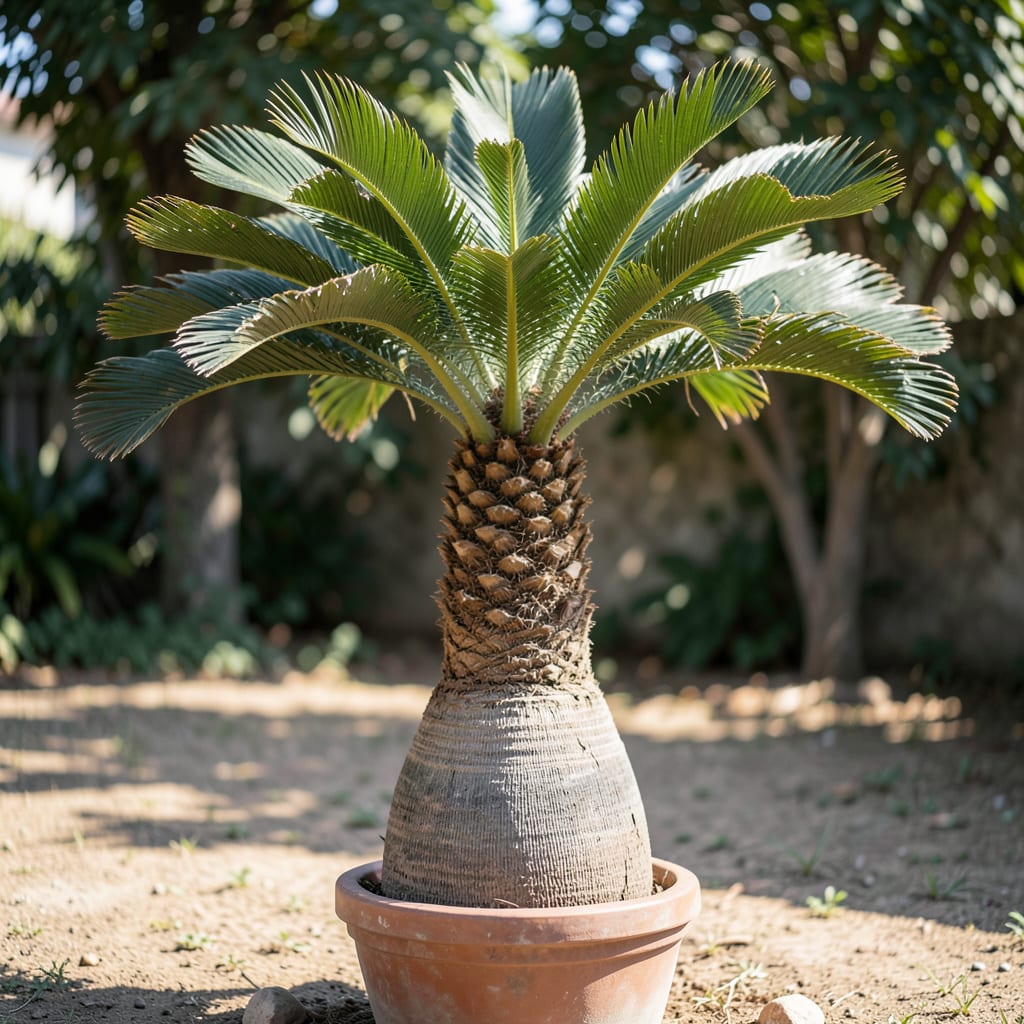
When I first planted my Bottle Palm 🌴, I wondered how tall it would eventually grow. Understanding the growth potential of these beautiful trees is crucial for proper landscaping planning, especially in USDA Zone 10b where they thrive year-round.
The Bottle Palm typically grows between 10-15 feet tall, making it a great choice for smaller landscapes while still providing a tropical feel. Let’s explore what influences their height and how to care for them.


Bottle palms are known for their unique, swollen trunks and graceful appearance, but understanding their height potential is crucial for proper landscaping. The average mature height of a Bottle Palm typically ranges between 10-15 feet.
The growth rate of bottle palms is generally slow to moderate, with young palms growing about 1-2 feet per year under optimal conditions. Factors such as soil quality, watering practices, and sunlight exposure can significantly influence their growth rate and maximum height 🌴.
While the typical height range is 10-15 feet, some exceptional bottle palms have been known to reach heights of up to 18 feet in ideal conditions. The growth is influenced by various factors including soil conditions, climate, and maintenance practices.
Understanding these growth expectations helps in planning your landscape effectively. Proper care and maintenance can ensure that your bottle palm reaches its full height potential while maintaining its characteristic bottle shape and tropical appearance 🌿.
The slow growth rate of bottle palms means they are relatively low maintenance compared to faster-growing palm species. This characteristic makes them an excellent choice for both residential and commercial landscaping where long-term planning is essential.
It’s worth noting that bottle palms are single-trunked palms, which means they don’t produce suckers or multiple trunks like some other palm species. This growth habit contributes to their elegant, sculptural appearance in landscapes.
When planting bottle palms, it’s essential to consider their mature size to avoid overcrowding and ensure proper air circulation. Their relatively compact size makes them suitable for various landscape designs, from urban gardens to resort landscapes.
Regular monitoring of your bottle palm’s growth can help you identify any potential issues early. Factors such as nutrient deficiencies, pest infestations, or inadequate watering can impact their growth rate and overall health.
By providing optimal growing conditions and proper care, you can help your bottle palm achieve its maximum height potential while maintaining its unique aesthetic appeal. Regular fertilization and pruning can also contribute to healthy growth and development.
In conclusion, understanding the growth expectations of bottle palms is key to successful landscaping. With their slow to moderate growth rate and potential maximum height, these palms offer a unique combination of tropical beauty and manageable maintenance requirements.
Understanding the factors that affect bottle palm height growth is crucial for maximizing their potential. The environmental conditions play a significant role in determining how tall these palms can grow 🌴.
Soil quality is another critical factor that influences bottle palm height. These palms thrive in well-draining soil that is rich in organic matter. Soil that is too dense or poorly draining can lead to root rot, which can stunt the palm’s growth.
Bottle palms are sensitive to frost damage, which can impact their growth. In USDA Zone 10b, they can thrive year-round without frost protection.
Watering practices also significantly impact bottle palm height growth. These palms prefer consistent moisture, especially when they are young. However, they are relatively drought-tolerant once established.
Maintenance practices, such as fertilization and pruning, can also affect the height of bottle palms. Regular fertilization with a balanced fertilizer can provide the necessary nutrients for healthy growth.
Pruning is essential for maintaining the desired height and shape of bottle palms. Removing dead or damaged fronds not only improves the palm’s appearance but also helps prevent pest infestations and diseases.
In addition to these factors, sunlight exposure is vital for the healthy growth of bottle palms. They thrive in full sun and require at least 6 hours of direct sunlight daily.
By understanding and managing these factors, you can create optimal conditions for your bottle palms to reach their full height potential. Regular monitoring and adjustments to their care routine can help ensure they remain healthy and continue to grow.
It’s also important to note that bottle palms are generally low maintenance compared to other palm species. Their slow to moderate growth rate means they don’t require frequent pruning or other intensive care practices.
Overall, the height growth of bottle palms is influenced by a combination of environmental conditions, soil quality, watering practices, and maintenance. By providing the right conditions and care, you can help your bottle palms thrive and reach their maximum height potential 🌿.
To maintain the desired height of your Bottle Palm, regular pruning is essential. Pruning not only helps control the height but also improves the overall appearance of the palm by removing dead or damaged fronds 🌴.
When pruning your bottle palm, it’s crucial to use the right techniques to avoid damaging the tree. Start by removing any dead or yellowing fronds, as these can be a sign of stress or disease. Use clean, sharp pruning tools to make clean cuts close to the trunk.
Carefully examine your bottle palm for any dead or damaged fronds that need removal.
Remove any dead or yellowing fronds using clean, sharp pruning tools.
Trim any fronds that are excessively long or out of shape to maintain the desired height and appearance.
In addition to pruning, proper fertilization plays a significant role in maintaining the health and height of your bottle palm. Use a balanced fertilizer during the growing season to provide essential nutrients 🌿.
Watering practices also impact the overall health and growth of your bottle palm. Ensure consistent moisture, especially during the growing season, but avoid overwatering, which can lead to root rot.
By following these pruning and care tips, you can effectively manage the height of your bottle palm while promoting healthy growth and maintaining its unique aesthetic appeal.
Regular monitoring of your palm’s condition and adjusting your care routine as needed will help ensure it remains healthy and continues to thrive in your landscape.
Bottle palms grow at a slow to moderate rate, typically 1-2 feet per year under optimal conditions. This slow growth makes them relatively low maintenance compared to faster-growing palm species. Proper care can help maximize their growth potential .
Bottle palms usually take 5-7 years to reach their mature height of 10-15 feet. Factors like soil quality, watering practices, and maintenance can influence their growth rate. Regular fertilization and pruning can also contribute to healthy growth .
Yes, regular pruning is essential for maintaining the desired height of your bottle palm. Remove dead or yellowing fronds to improve appearance and prevent pest infestations. Use clean, sharp pruning tools to make clean cuts close to the trunk. This helps maintain the palm’s health and appearance .
Several factors influence the height of bottle palms, including soil quality, watering practices, sunlight exposure, and maintenance practices. They thrive in well-draining soil rich in organic matter and require at least 6 hours of direct sunlight daily. Proper care can help them reach their full height potential .
