
Beautiful Plants For Your Interior
Beautiful Plants For Your Interior
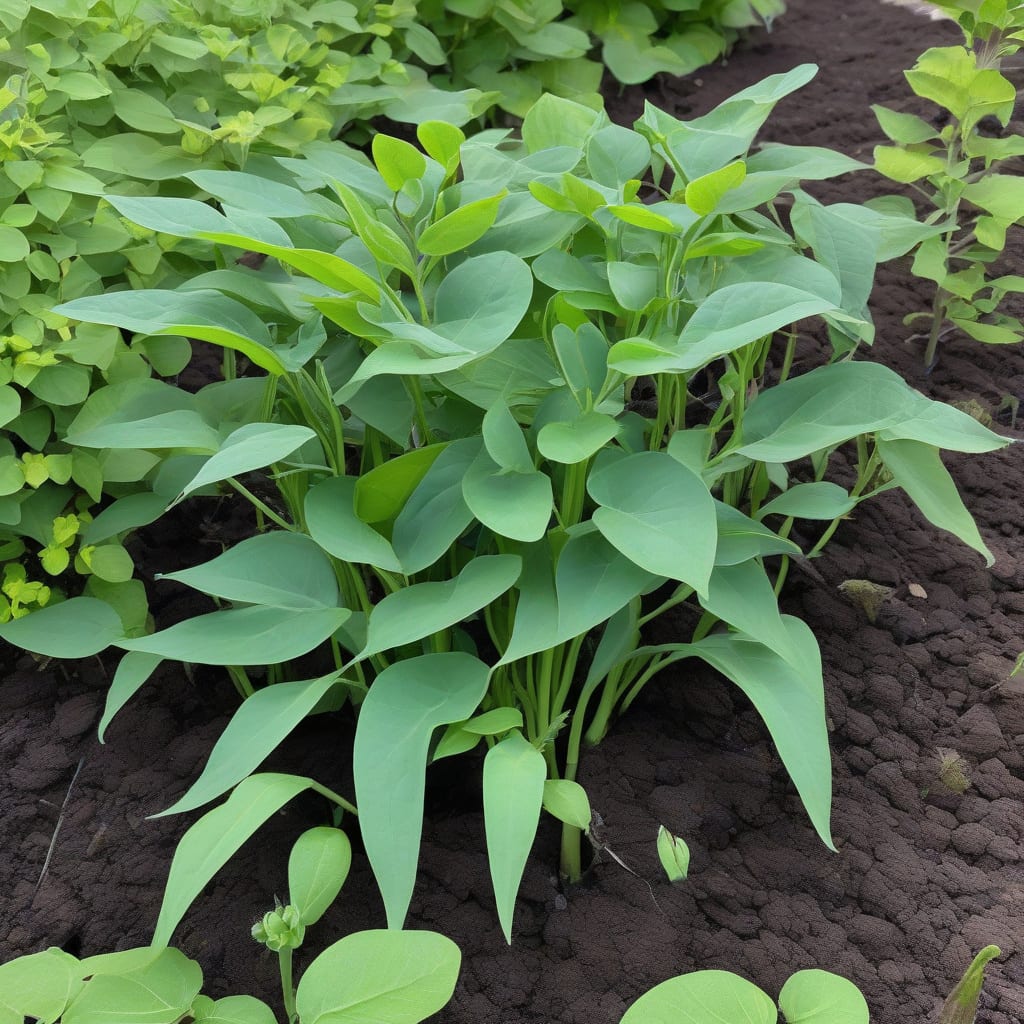
When growing Blue Lake Bush Beans 🌽, understanding their height is crucial for garden planning. These compact plants typically grow between 2-4 feet tall, making them ideal for smaller spaces.
In USDA Zone 6, you can expect these spring vegetables to thrive after the last frost. I’ll guide you through what affects their growth and how to optimize conditions for a bountiful harvest.


Blue Lake bush beans are a popular choice among gardeners due to their compact growth habit and high yield. These beans typically grow between 2-4 feet tall, making them ideal for smaller garden spaces or containers.
The growth pattern of Blue Lake bush beans is bushy and compact, with plants producing beans relatively close to the main stem. This characteristic makes them well-suited for close planting and intensive gardening methods 🌽.
The height of Blue Lake bush beans can be influenced by several factors including soil quality, sunlight exposure, and cultivation practices. Understanding these factors is crucial for maximizing yield and planning garden space effectively.
Blue Lake bush beans are known for their uniform growth and simultaneous maturation, which makes them particularly suitable for both home gardeners and commercial growers. The plants are relatively low maintenance and can thrive in a variety of conditions, provided they receive adequate moisture and sunlight.
When planting Blue Lake bush beans, gardeners should consider the spacing between plants and rows to ensure optimal growth. Proper spacing helps in air circulation, disease prevention, and ease of harvesting. Typically, these beans are planted 2-3 inches apart in rows that are 18-24 inches apart.
In terms of growth rate, Blue Lake bush beans are known for their rapid development. They can go from seed to harvest in as little as 50 days, making them a great choice for gardeners looking for a quick yield. This fast growth rate also means that gardeners can successionally plant these beans every few weeks to extend the harvest season.
The plant’s foliage is typically a vibrant green, providing a nice contrast to the white flowers that precede the bean pods. The beans themselves are long and slender, with a tender texture and sweet flavor when harvested at the right time.
To achieve the optimal height and yield, it’s essential to provide Blue Lake bush beans with full sun and well-draining soil. They are not particularly demanding in terms of soil type, but they do benefit from regular watering and moderate fertilization. Gardeners should also be mindful of common pests and diseases that can affect bean plants, such as aphids and powdery mildew.
Overall, Blue Lake bush beans are a reliable and productive variety that can be a great addition to any vegetable garden. Their compact size, ease of growth, and delicious flavor make them a favorite among gardeners and cooks alike.
By understanding the growth characteristics of Blue Lake bush beans, gardeners can better plan their garden layout and care routine to maximize their yield. Whether you’re a seasoned gardener or just starting out, these beans are a great choice for a bountiful harvest 🌼.
The height of Blue Lake bush bean plants can be influenced by several factors, including soil quality, sunlight exposure, and cultivation practices. Understanding these factors is crucial for maximizing yield and planning garden space effectively.
Several key elements affect the growth of Blue Lake bush beans:
By understanding and managing these factors, gardeners can optimize the growth of their Blue Lake bush beans, achieving the best possible height and yield 🌼.
Soil quality plays a significant role in the height of Blue Lake bush beans. The plants prefer well-draining soil that is rich in organic matter. Soil that is too dense or poorly draining can lead to root rot and other issues that may stunt plant growth.
Sunlight exposure is another critical factor. Blue Lake bush beans require full sun to thrive, meaning they need at least 6 hours of direct sunlight per day. Inadequate sunlight can result in leggy plants and reduced yields.
Cultivation practices, such as watering and fertilization, also impact plant height. Consistent moisture is essential, particularly during the flowering and pod formation stages. However, overwatering can be detrimental, leading to disease and root rot. A balanced fertilization approach, typically using a 10-10-10 NPK fertilizer, supports healthy growth without over-promoting vegetative development at the expense of pod production.
Overall, the height of Blue Lake bush bean plants is a result of a combination of factors. By providing optimal growing conditions and following best cultivation practices, gardeners can ensure their plants reach their full potential height of 2-4 feet and produce a bountiful harvest 🌽.
To achieve the optimal height of 2-4 feet for Blue Lake bush beans, gardeners should focus on creating ideal growing conditions. This includes providing full sun, maintaining consistent moisture, and ensuring proper spacing between plants 🌞.
For maximum height, ensure Blue Lake bush beans receive at least 6 hours of direct sunlight daily and maintain consistent soil moisture through regular watering.
Soil preparation is crucial for optimal growth. The soil should be well-draining and rich in organic matter. Adding compost or well-rotted manure can improve soil quality and support healthy plant development 🌱.
Proper spacing is also essential. Plant Blue Lake bush beans 2-3 inches apart in rows that are 18-24 inches apart. This spacing helps in air circulation, disease prevention, and ease of harvesting 🌿.
Regular watering is vital, especially during the flowering and pod formation stages. However, avoid overwatering, which can lead to disease and root rot 💧.
A balanced fertilization approach supports healthy growth. Use a 10-10-10 NPK fertilizer every 3-4 weeks during the growing season to promote optimal plant height and yield 🌼.
By following these guidelines, gardeners can create the ideal conditions for Blue Lake bush beans to reach their full potential height and produce a bountiful harvest 🌽.
