
Beautiful Plants For Your Interior
Beautiful Plants For Your Interior
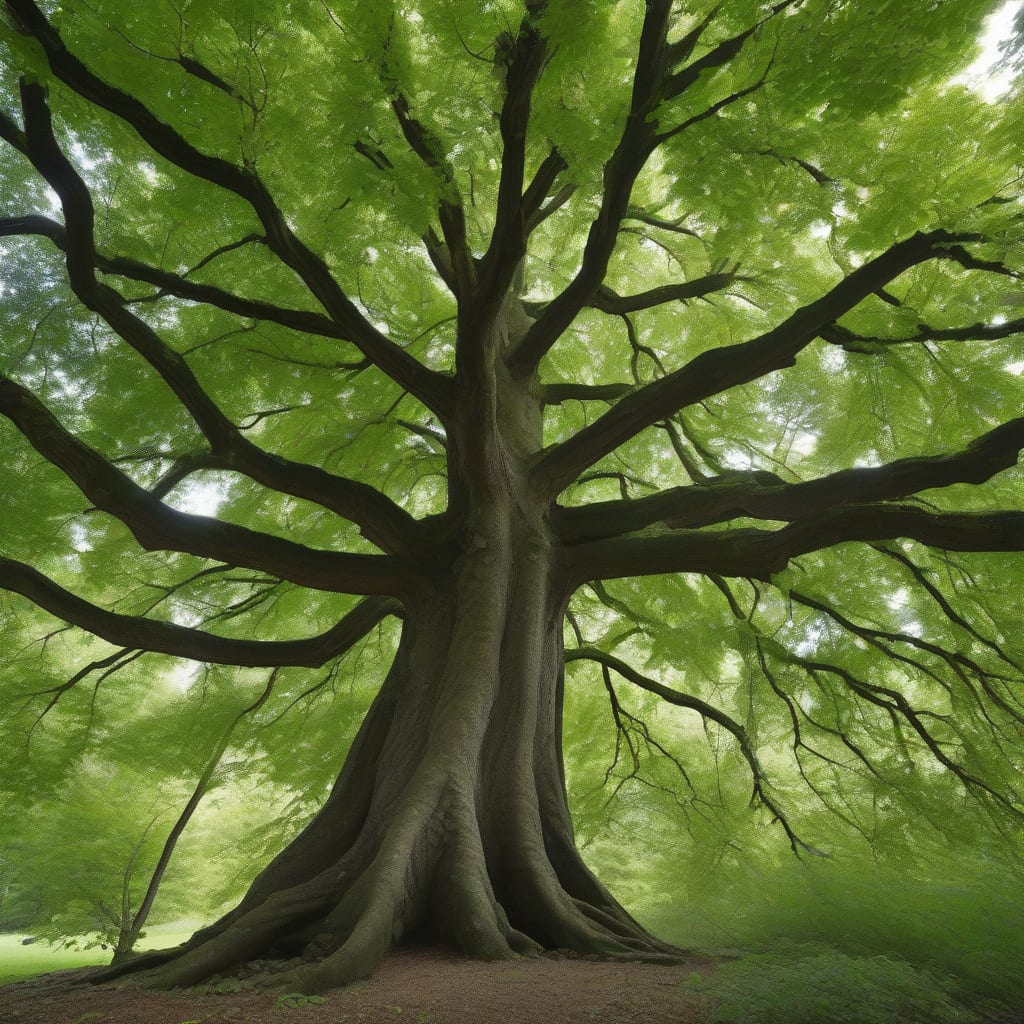
Black walnut trees 🌳 are known for their impressive size and valuable timber. But have you ever wondered just how tall these magnificent trees can grow?
On average, black walnut trees can reach heights of 50-100 feet, making them a striking addition to any landscape in USDA Zone 6. Let’s explore what influences their growth and how to care for them.

Black walnut trees are known for their impressive size, but their height is influenced by various factors. Understanding these factors is crucial for proper landscaping and forest management 🌳.
The height of black walnut trees can be affected by climate, soil quality, and genetics. Let’s explore how these factors impact their growth.
Climate plays a significant role in determining the height of black walnut trees. They prefer temperate climates with adequate moisture and full sun. Regions with long growing seasons and mild winters tend to support taller trees 🌟.
Soil quality is another critical factor. Black walnut trees thrive in well-drained soil with a pH between 6.0 and 7.0. Soil that is too dry or too wet can limit their growth growth. The ideal soil conditions can significantly impact the tree’s height 🌿.
Genetics also play a role in determining the maximum height potential of black walnut trees. Some trees are naturally predisposed to grow taller than others due to their genetic makeup 🔬.
Other factors such as pruning practices, spacing between trees, and soil management can also influence the height of black walnut trees. Proper care can encourage healthy vertical growth 🌟.
In USDA Zone 6, black walnut trees can be expected to grow to their full potential with the right conditions. Understanding these factors can help in managing their growth effectively 🌳.
By considering these factors, you can better understand how to promote healthy growth in black walnut trees. Proper care and management can help these trees reach their maximum height potential 🌟.
Black walnut trees are not only valued for their timber but also for their ecological benefits. They provide food for wildlife and shade, making them a valuable addition to any landscape 🌳.
In conclusion, the height of black walnut trees is influenced by a combination of factors including climate, soil quality, and genetics. By understanding and managing these factors, you can promote healthy growth and maximize their height potential 🌟.
Black walnut trees are known for their impressive size, with average heights ranging from 50 to 100 feet. Understanding their growth potential is essential for landscaping and forest management 🌳.
The maximum height of black walnut trees can vary significantly based on factors such as climate, soil quality, and genetics. Let’s explore the typical height ranges and exceptional cases.
Most black walnut trees grow between 50 to 100 feet tall, with some exceptional specimens reaching even greater heights.
Some black walnut trees have been known to reach heights of over 150 feet in ideal conditions, making them truly remarkable specimens 🌟.
The height of black walnut trees is influenced by various factors, including climate, soil quality, and genetics. Understanding these factors can help in managing their growth effectively 🌳.
In ideal conditions, with adequate moisture and full sun, black walnut trees can achieve their maximum height potential. Regular pruning practices and proper soil management can also encourage healthy vertical growth 🌟.
By understanding the typical height ranges and factors influencing growth, you can better manage black walnut trees in your landscape or forest. Proper care can help these trees reach their full potential 🌳.
Black walnut trees are not only valued for their timber but also for their ecological benefits. They provide food for wildlife and shade, making them a valuable addition to any landscape 🌳.
In conclusion, black walnut trees can grow to impressive heights with the right conditions and care. By understanding their growth potential and managing factors that influence their height, you can promote healthy growth and maximize their benefits 🌟.
To help black walnut trees reach their maximum height potential, proper management is essential. This includes pruning practices, spacing between trees, and soil management 🌳.
Pruning is a critical aspect of managing black walnut tree growth. Regular pruning helps maintain the tree’s shape and encourages healthy vertical growth. It’s best to prune during the dormant season to minimize stress on the tree 🌟.
Prune black walnut trees during the dormant season to promote healthy growth and maximize height potential.
Adequate spacing between trees is also crucial. Black walnut trees need sufficient space to grow without competing for resources like light, water, and nutrients. Proper spacing can help prevent issues like stunted growth 🌳.
Soil management plays a significant role in promoting healthy growth. Black walnut trees thrive in well-drained soil with a pH between 6.0 and 7.0. Regular soil testing can help identify nutrient deficiencies, allowing for targeted fertilization 🌱.
By implementing these management strategies, you can help your black walnut trees achieve their maximum height potential and enjoy their ecological benefits, including food for wildlife and shade 🌳.
Proper care and management can make a significant difference in the growth and health of black walnut trees. By understanding their needs and providing the right conditions, you can promote healthy vertical growth and maximize their benefits 🌟.
