
Beautiful Plants For Your Interior
Beautiful Plants For Your Interior
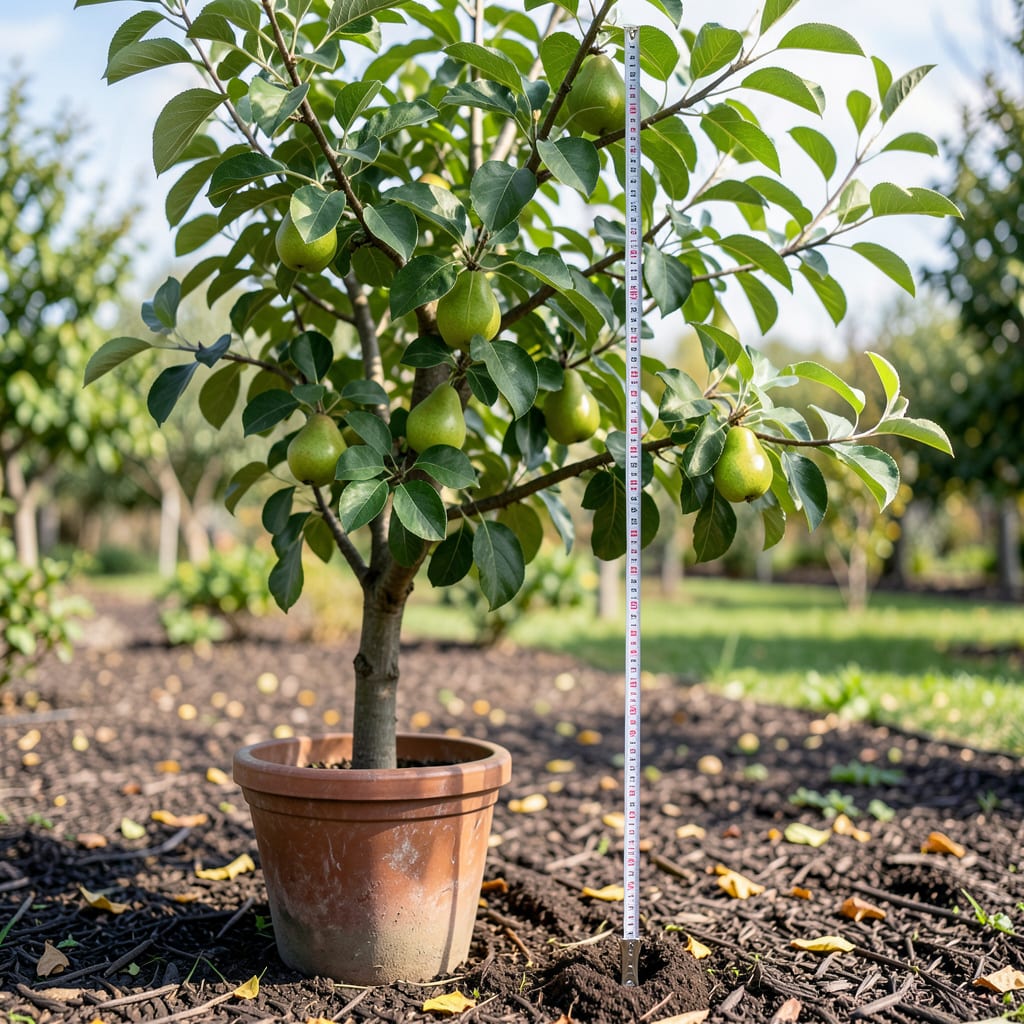
When planning your orchard, understanding how tall your trees will grow is crucial. Asian pear trees 🍐 can reach varying heights depending on factors like rootstock and pruning practices.
Typically, standard Asian pear trees grow between 15-25 feet tall, while dwarf varieties remain much shorter. Knowing these growth patterns helps you choose the right tree for your space and care for it effectively.


Understanding the factors that influence Asian pear tree height is crucial for effective garden planning. Several key elements determine how tall these trees will grow, including rootstock selection, soil quality, and climate conditions. The rootstock, in particular, plays a significant role in determining the overall size of the tree 🌳.
The type of rootstock used can significantly impact the height of an Asian pear tree. Dwarf rootstocks, for example, will result in smaller trees, while standard rootstocks allow for taller growth. Soil quality is another critical factor, as nutrient-rich soil can promote healthier and potentially taller trees.
Climate conditions also significantly affect Asian pear tree height. Trees grown in optimal climate zones with adequate chill hours and proper temperature ranges tend to grow more vigorously. Pruning practices are equally important, as regular pruning not only controls height but also promotes better fruit production and overall tree health 🔄.
Soil preparation is another vital aspect. Asian pear trees prefer well-drained soil with a pH between 6.0 and 6.5. Proper soil conditions support healthy root development, which in turn affects the tree’s overall growth and height 🌿.
The interaction between these factors can lead to variations in tree height even within the same variety. For instance, a standard Asian pear tree grown in optimal conditions with regular pruning might reach the upper end of its potential height range, while one in less favorable conditions may remain shorter 🌟.
Understanding these factors helps gardeners make informed decisions about tree selection and care. By choosing the right rootstock and providing optimal growing conditions, you can better manage the height of your Asian pear trees and ensure they thrive in your garden 📈.
It’s also worth noting that while these factors influence height, regular maintenance is key to keeping your trees healthy and productive. This includes not just pruning but also appropriate watering and fertilization practices 💧.
Asian pear trees are generally considered medium-sized trees, making them suitable for a variety of garden sizes. Their height can be managed effectively with proper care, allowing them to fit well into both small and large landscapes 🏠.
For gardeners looking to maximize space, understanding the potential height of their Asian pear trees is essential. This knowledge allows for better planning and ensures that the trees have enough room to grow without becoming overcrowded or overshadowing other plants 🌳.
In summary, the height of Asian pear trees is influenced by a combination of rootstock, soil quality, climate, and pruning practices. By understanding and managing these factors, gardeners can effectively control tree height and promote healthy growth 🌱.
Effective garden planning requires considering all these elements to create an optimal growing environment for Asian pear trees. This comprehensive approach ensures that the trees reach their full potential while maintaining a manageable size for the garden 📚.
Understanding the average height range of mature Asian pear trees is essential for effective garden planning. These trees can vary significantly in height based on their variety and growing conditions 🌳.
Standard Asian pear trees typically grow between 15-25 feet tall, while dwarf varieties remain much shorter, usually between 8-12 feet. This variation allows gardeners to choose the right tree for their available space 🌟.
The height of Asian pear trees is a critical factor in determining their placement in your garden. Taller trees may require more space and potentially need staking to prevent damage from wind or their own weight 🌟.
Dwarf varieties, on the other hand, are perfect for smaller gardens or even container growing. They require less space and are generally easier to manage, making them an excellent choice for gardeners with limited room 🌱.
When planning your orchard, it’s also important to consider the mature height of the trees. This helps in arranging the trees in a way that maximizes space and ensures that all trees receive adequate sunlight and air circulation 🌳.
Regular pruning is essential for maintaining the desired height and promoting healthy growth. Pruning helps control the tree’s size, encourages fruiting, and removes any dead or diseased branches 🔄.
By understanding the typical height ranges for different Asian pear tree varieties, gardeners can make informed decisions about which trees to plant and how to care for them effectively 📚.
Pruning is a critical practice for managing the size of Asian pear trees. Regular pruning helps control the tree’s height, promotes better fruit production, and maintains overall tree health 🔄.
To effectively prune your Asian pear tree, follow these steps:
Start by removing any dead, diseased, or damaged branches to prevent the spread of disease and encourage healthy growth.
Thin out the center of the tree to allow more sunlight to penetrate and improve air circulation, which helps reduce the risk of disease.
Shape the tree by cutting back branches that are growing too tall or out of place, maintaining a balanced structure.
Pruning should be done annually during the dormant season, typically in late winter or early spring. This timing helps minimize stress on the tree and promotes vigorous growth during the growing season 🌟.
By following these pruning practices, you can effectively manage the size of your Asian pear trees, ensuring they remain healthy and productive for years to come 📚.
Regular pruning not only controls the height but also enhances the overall health and fruiting potential of the tree. It’s an essential part of Asian pear tree care that shouldn’t be overlooked 🔍.
For best results, use clean, sharp pruning tools to make precise cuts, and consider consulting with a local horticulturist or gardening expert for specific advice tailored to your climate and tree variety 🌿.
Standard Asian pear trees typically grow between 15-25 feet tall, while dwarf varieties remain much shorter, usually between 8-12 feet. The height can vary based on factors like rootstock and growing conditions. Regular pruning also plays a crucial role in managing tree height.
The type of rootstock used significantly impacts the height of an Asian pear tree. Dwarf rootstocks limit height to 8-12 feet, while standard rootstocks allow for taller growth. Choosing the right rootstock helps manage the tree’s size according to your garden space.
Yes, regular pruning is essential for controlling the height of Asian pear trees. Pruning helps maintain the desired height, promotes better fruit production, and removes dead or diseased branches. It’s best done annually during the dormant season.
Asian pear trees generally take 3-5 years to start producing fruit and 5-10 years to reach their mature height. Factors like soil quality, climate, and pruning practices can influence the growth rate. Proper care ensures healthy growth and fruit production.
