
Beautiful Plants For Your Interior
Beautiful Plants For Your Interior
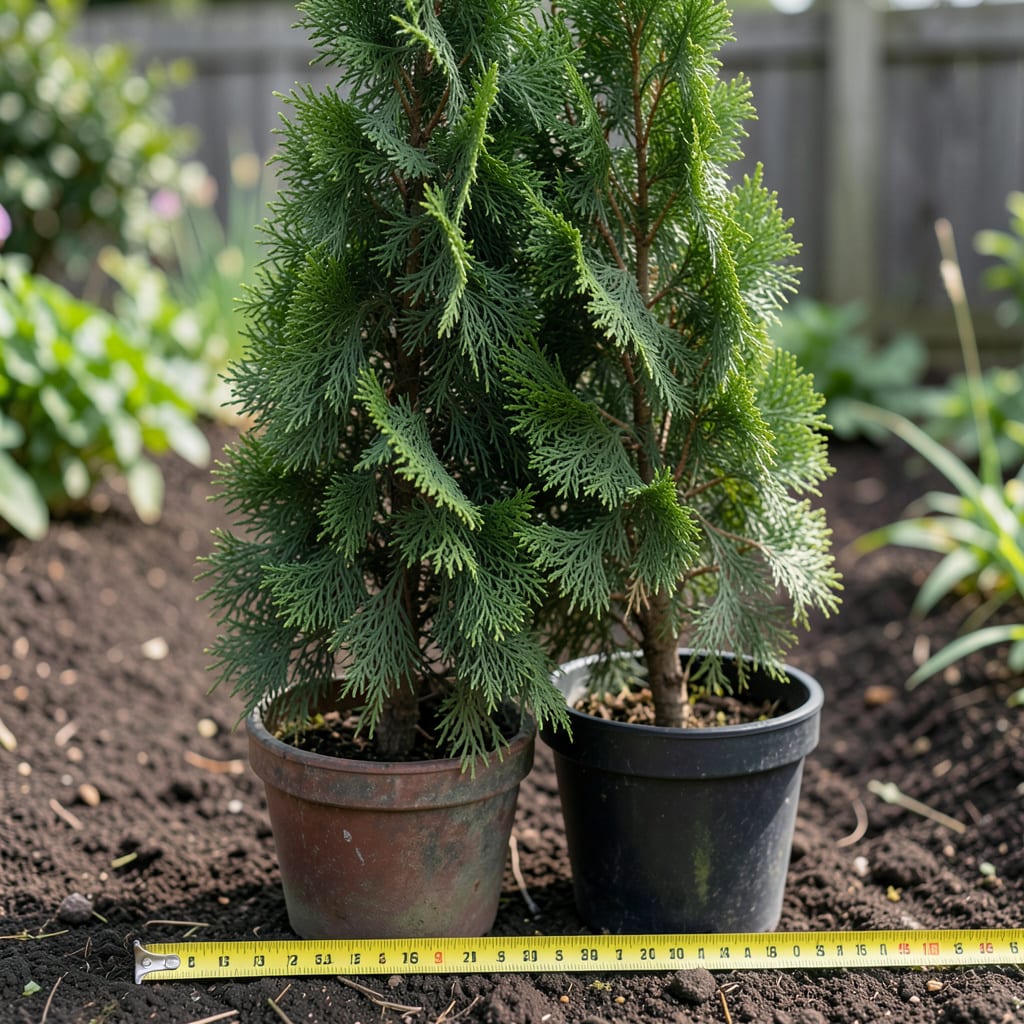
When planting Arborvitae 🌲 in your garden, understanding their growth rate is crucial for proper planning. These evergreen trees can grow at varying rates depending on factors like soil quality and environmental conditions.
In USDA Zone 6, you can expect Arborvitae to grow at a moderate pace. Let’s explore what affects their annual growth and how to optimize it for the best results.


Understanding the factors that influence Arborvitae growth rates is essential for gardeners who want to optimize their landscape design. The annual growth of Arborvitae can vary significantly based on several key factors 🌲.
Environmental conditions play a crucial role in determining how tall Arborvitae grow each year. Factors such as soil quality, sunlight exposure, and water availability can significantly impact their growth rates.
The cultivar type of Arborvitae is another significant factor that affects their annual growth rate. Popular varieties like ‘Emerald Green‘ and ‘Smaragd’ have different growth characteristics that gardeners should consider when planning their landscape 🌿.
For example, ‘Emerald Green’ Arborvitae typically grows at a rate of 6-9 inches per year, while ‘Smaragd’ can grow slightly faster. Understanding these differences helps gardeners choose the right variety for their specific needs.
Soil preparation is also critical for maximizing Arborvitae growth. Ensuring the soil is well-draining and rich in organic matter can significantly enhance their annual growth rates 🌱.
In addition to soil quality, proper watering practices are essential. Arborvitae prefers consistent moisture, especially during the growing season, to support healthy growth and development.
Sunlight exposure is another critical factor. While Arborvitae can tolerate partial shade, they generally perform best in full sun conditions, which can promote more vigorous growth.
By understanding these factors and how they interact, gardeners can create optimal growing conditions for their Arborvitae, maximizing their annual growth rates and overall health 🌻.
Regular pruning and maintenance also play a role in promoting healthy growth. Pruning helps maintain the desired shape and size while encouraging denser foliage.
Overall, the annual growth rate of Arborvitae is influenced by a combination of environmental conditions, soil quality, and cultivar characteristics. By optimizing these factors, gardeners can enjoy robust and healthy Arborvitae in their landscapes 🌲.
For more specific guidance on caring for Arborvitae, including tips on fertilization and pest management, gardeners can consult additional resources to further enhance their gardening knowledge 📚.
When considering Arborvitae for your landscape, understanding the annual growth rates of different varieties is crucial for making informed decisions. Various Arborvitae cultivars exhibit distinct growth patterns that can significantly impact your garden’s overall design and maintenance 🌲.
The growth rate of Arborvitae can vary substantially between different cultivars. Factors such as genetic predisposition, environmental conditions, and cultivation practices all contribute to the overall annual growth.
Different Arborvitae varieties have unique growth characteristics that gardeners should consider. For instance, ‘Emerald Green’ Arborvitae is known for its slower growth rate compared to some other varieties, making it ideal for hedges or borders where maintenance is a concern 🌿.
‘Smaragd’ Arborvitae, on the other hand, can grow slightly faster than ‘Emerald Green’, making it a good choice for gardeners looking for a bit more vigorous growth while still maintaining a compact shape 🌱.
The maximum height of Arborvitae varieties also varies, with some cultivars reaching up to 15 feet or more at maturity. Understanding these growth patterns helps gardeners plan their landscape more effectively.
When selecting an Arborvitae variety, consider factors such as desired height, growth rate, and maintenance requirements to ensure the chosen cultivar meets your landscaping needs 🌻.
By comparing the annual growth rates and maximum heights of different Arborvitae varieties, gardeners can make more informed decisions about which cultivar is best suited for their specific landscape design and maintenance preferences 🌲.
To maximize the annual growth of Arborvitae, gardeners should focus on creating optimal growing conditions. This includes ensuring the trees receive adequate sunlight and maintaining consistent moisture levels 🌲.
Soil quality is another critical factor that affects Arborvitae growth. Gardeners should ensure the soil is well-draining and rich in organic matter to promote healthy root development 🌱.
Regular pruning helps maintain the desired shape and encourages denser foliage, promoting healthier growth.
Pruning techniques play a significant role in enhancing Arborvitae growth. Pruning should be done in early spring to maintain shape and encourage new growth 🌿.
Fertilization is also essential for maximizing Arborvitae growth. Using a balanced fertilizer during the growing season can provide the necessary nutrients for optimal growth.
Gardeners should also be aware of the common pests and diseases that can affect Arborvitae. Regular monitoring and appropriate management strategies can help prevent issues that might hinder growth 🌻.
By implementing these strategies, gardeners can create an optimal environment for their Arborvitae, ensuring they achieve their full growth potential and remain healthy and vibrant 🌲.
Regular maintenance, including watering and mulching, will also support the overall health of the trees, contributing to their annual growth rates.
For more detailed information on caring for Arborvitae, including specific pruning and fertilization schedules, gardeners can consult additional resources to further enhance their gardening knowledge 📚.
Most Arborvitae varieties grow between 6-12 inches per year. The exact rate depends on factors like soil quality, sunlight, and cultivar type. For example, ‘Emerald Green’ typically grows 6-9 inches annually. Proper care can help maximize growth rates.
Arborvitae trees can reach varying heights depending on the cultivar. Dwarf varieties typically grow 3-5 feet tall, while standard varieties can reach 12-20 feet. Some cultivars can grow even taller, up to 30 feet or more in ideal conditions.
Several factors influence Arborvitae growth, including soil quality, sunlight exposure, water availability, and cultivar type. Well-draining soil with adequate nutrients and consistent moisture promote healthy growth. Most Arborvitae prefer full sun to partial shade for optimal development.
To maximize growth, ensure your Arborvitae receives adequate sunlight and maintain consistent moisture levels. Use well-draining soil rich in organic matter and fertilize with a balanced fertilizer during the growing season. Regular pruning also helps promote healthy growth and denser foliage.
