
Beautiful Plants For Your Interior
Beautiful Plants For Your Interior
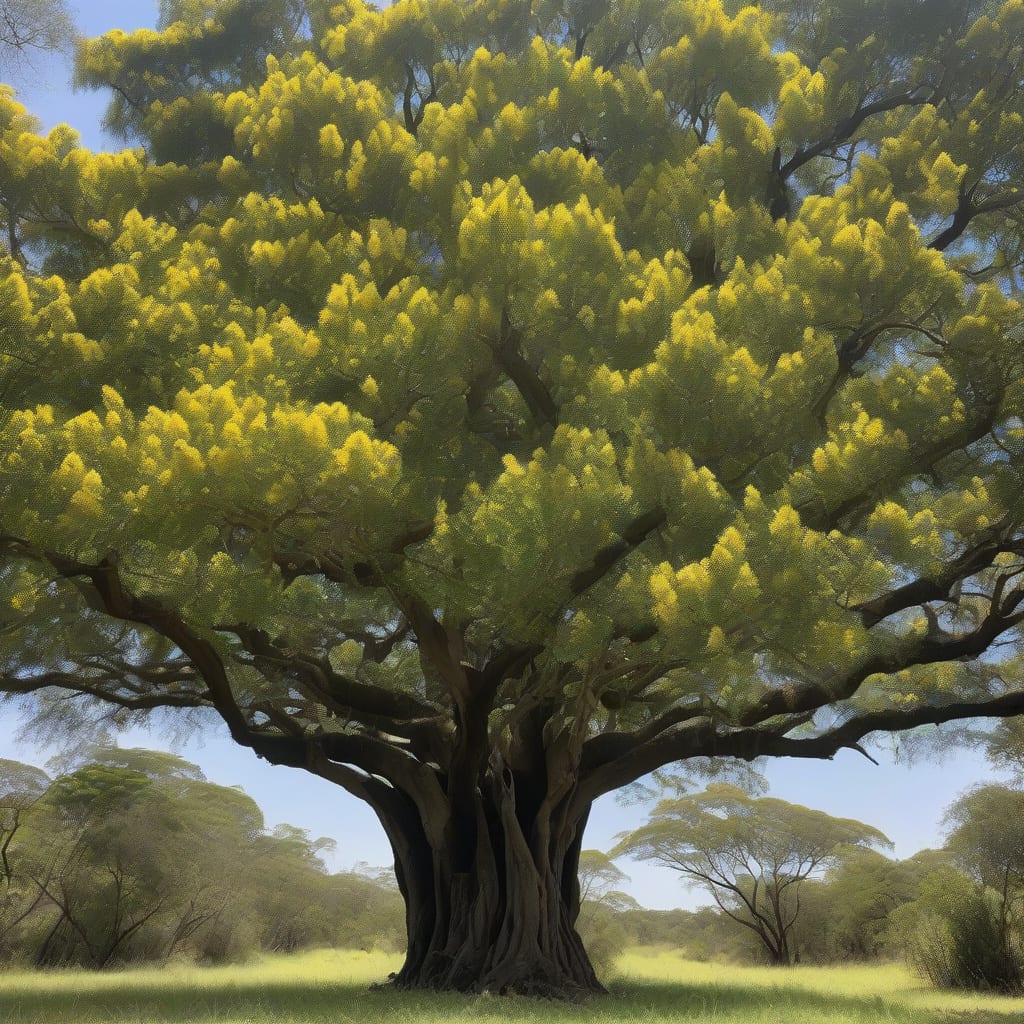
When I think about Acacia Trees 🌳, I’m always amazed by their stunning beauty and versatility in various landscapes. These trees can transform any outdoor space with their delicate foliage and vibrant flowers.
But have you ever wondered how tall they can actually grow? Understanding their growth potential is crucial for proper planning, especially if you’re considering planting one in your garden in USDA Zone 6.
Acacia trees are known for their diverse growth patterns and varying heights. The maximum height of an acacia tree largely depends on its species. Some species can grow quite tall, while others remain relatively shorter.
For instance, the Acacia tortilis, also known as the umbrella thorn acacia, can grow up to 21 meters (69 feet) in ideal conditions. On the other hand, the Acacia dealbata, or silver wattle, can reach heights of 30 meters (98 feet) or more 🌳.
The height of acacia trees can be influenced by various factors including climate, soil, and available light. Understanding these factors can help in choosing the right acacia species for your specific landscape needs.
Acacia trees are not only valued for their ornamental beauty but also for their ecological benefits. They can provide shade, improve soil quality, and support local wildlife.
Different species of acacia trees have adapted to various environments around the world. For example, some are more drought-tolerant than others, making them suitable for arid regions.
When selecting an acacia tree for your garden, it’s essential to consider the mature height of the species to ensure it fits well within your landscape design.
Proper care and maintenance can also impact the growth and maximum height of acacia trees. Regular pruning and appropriate fertilization can help achieve optimal growth.
Acacia trees are generally known for their relatively fast growth rate, especially during their early years. This characteristic makes them a popular choice for landscaping projects where quick results are desired.
In addition to their height, acacia trees are also appreciated for their beautiful flowers and unique foliage, which can add aesthetic value to any garden.
Overall, understanding the growth potential and maximum heights of different acacia tree species can help gardeners and landscapers make informed decisions when planning their outdoor spaces 🌿.
By choosing the right acacia species and providing appropriate care, you can enjoy the many benefits these trees have to offer for years to come.
When considering how tall acacia trees can grow, it’s essential to understand the various factors that influence their height. The growth of these trees is not solely determined by their species; environmental and care factors play a significant role as well 🌳.
Climate is one of the primary factors affecting the height of acacia trees. Trees growing in their native or ideal climate conditions tend to reach their maximum potential height more readily. For instance, acacia trees in tropical regions often grow taller than those in arid or semi-arid environments.
Acacia trees can adapt to various soil types, but well-draining soil is crucial for healthy root development and optimal height growth.
Soil quality is another critical factor. Acacia trees thrive in well-draining soil with adequate nutrients. Poor soil conditions can limit their growth potential, while fertile soil can support more vigorous growth.
Water availability significantly impacts acacia tree height. While many acacia species are drought-tolerant, consistent moisture during their early growth stages can promote healthier and taller trees.
Sunlight exposure is also vital. Acacia trees generally require full sun to achieve their maximum height. Shaded conditions can result in slower growth and a more compact form.
Pruning practices can influence the height and shape of acacia trees. Regular pruning can help maintain a desired height and promote a more balanced structure.
Nutrient availability, particularly nitrogen, can affect growth rates. Fertilization can be beneficial, especially in poor soil conditions, to support optimal growth.
The age of the tree is another factor to consider. Acacia trees typically grow rapidly in their early years, with their growth rate slowing down as they mature.
Understanding these factors can help gardeners and landscapers create optimal conditions for their acacia trees to reach their full height potential 🌿.
By managing these factors effectively, you can ensure your acacia trees grow healthily and achieve the desired height for your landscape.
When it comes to managing acacia tree height for landscaping purposes, there are several factors to consider. Proper care and maintenance can help achieve the desired height and shape for your landscape 🌳.
Pruning is a crucial aspect of managing acacia tree height. Regular pruning can help maintain a desired height and promote a more balanced structure. It’s essential to prune acacia trees during their dormant season to minimize stress and prevent disease.
Evaluate the tree’s current height and structure to determine the best pruning approach.
Remove select branches to maintain the desired height and promote a balanced structure.
Regularly monitor the tree’s growth and adjust pruning as needed to maintain the desired height.
In addition to pruning, other care practices such as fertilization and watering can impact acacia tree height. Providing optimal care conditions can support healthy growth and help achieve the desired height for your landscape.
By following these practical tips and maintaining proper care, you can effectively manage acacia tree height and enjoy the many benefits these trees have to offer 🌿.

