
Beautiful Plants For Your Interior
Beautiful Plants For Your Interior
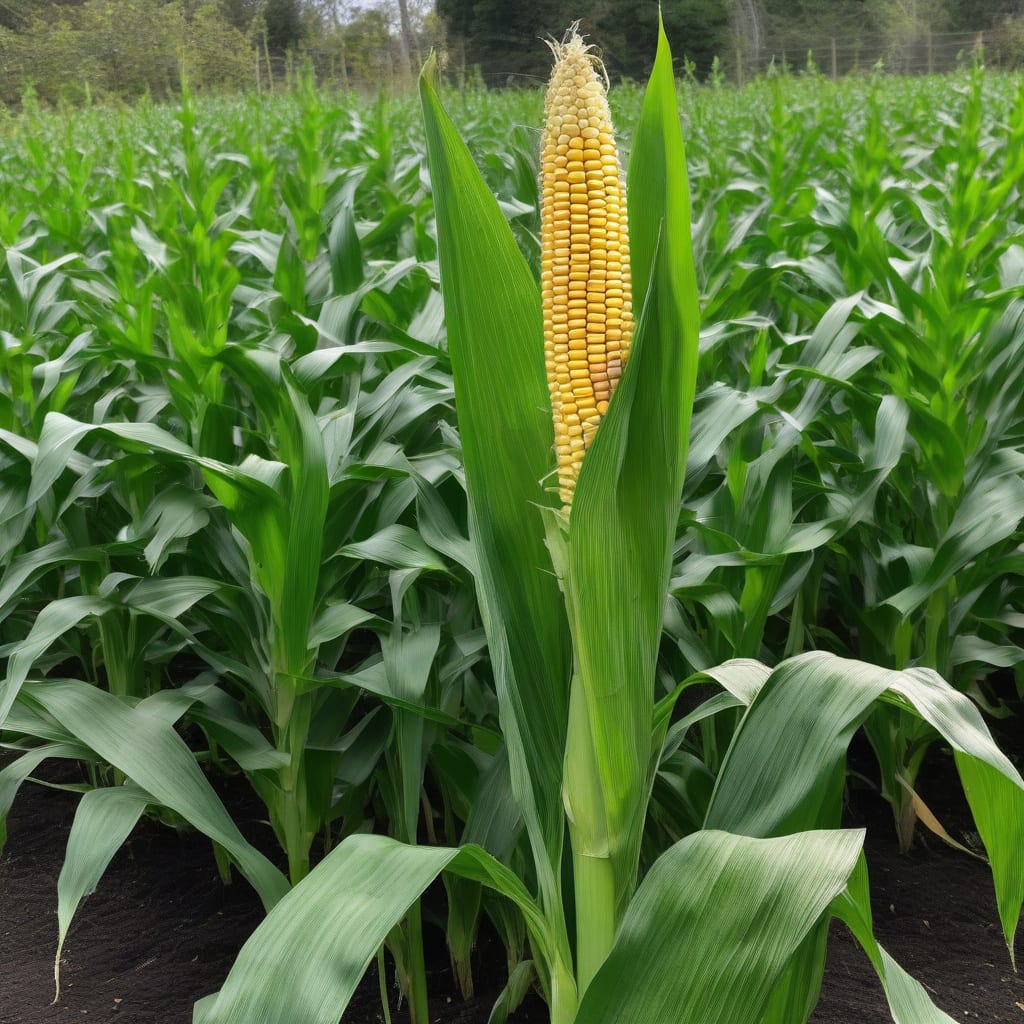
Growing corn can be a rewarding experience, especially when you understand how tall it can grow 🌽. Corn plants can reach impressive heights, typically between 6-10 feet, depending on the variety and growing conditions.
To maximize your corn’s growth potential in USDA Zone 6, it’s essential to provide optimal growing conditions, including full sun and well-draining soil. Let’s explore the factors that affect corn height and how to create ideal growing conditions.

Corn height is influenced by several key factors that gardeners should understand to maximize their crop’s potential. The variety of corn being grown plays a significant role, as different types have varying height potentials. For instance, dwarf varieties typically reach 4-6 feet, while standard varieties can grow to 8-10 feet tall.
Soil quality is another crucial element affecting corn height. Nutrient-rich soil with good drainage and a pH between 6.0 and 7.0 provides optimal conditions for corn growth. Environmental factors such as sunlight exposure and water availability also significantly impact corn height. Corn requires full sun (at least 6 hours of direct sunlight) and consistent moisture, especially during critical growth stages 🌽.
The ideal growing conditions for corn include well-draining, fertile soil with a pH between 6.0 and 7.0. Corn is a heavy feeder and benefits from balanced fertilization during the growing season. Proper spacing, typically 8-12 inches between plants in rows that are 30-36 inches apart, also contributes to optimal height growth 🌱.
Understanding these factors helps gardeners create the best possible conditions for their corn crop, potentially leading to taller, healthier plants and a more bountiful harvest. By focusing on these key elements, gardeners can maximize their corn’s growth potential and achieve the best possible results 🌼.
Corn plants grown under optimal conditions can reach their full height potential, typically between 6-10 feet tall. This height is influenced by the factors discussed, including variety, soil quality, and environmental conditions. Gardeners can optimize these factors to achieve the best possible growth for their corn crop 🌾.
To further enhance corn growth, gardeners should consider additional factors such as proper watering and adequate sunlight. Consistent moisture and full sun exposure are crucial for healthy corn development. By maintaining these conditions, gardeners can promote strong, vigorous growth and maximize their corn’s height potential 🌻.
In summary, the height of corn plants is determined by a combination of genetic and environmental factors. By understanding and optimizing these factors, gardeners can grow tall, healthy corn that reaches its full potential height. This knowledge is essential for maximizing harvests and ensuring successful corn cultivation 🌽.
To achieve maximum corn height, gardeners must create ideal growing conditions that promote healthy plant development. The key to success lies in understanding the specific needs of corn plants and providing them with the right environment to thrive 🌽.
First and foremost, corn requires full sun to grow tall and healthy. This means providing at least 6 hours of direct sunlight per day. In addition to sunlight, corn needs consistent moisture, especially during critical growth stages such as tasseling and ear formation. Gardeners should aim to provide about 1-2 inches of water per week, either through rainfall or irrigation 💧.
Test your soil to determine its nutrient content and pH level. Add organic matter like compost to improve soil fertility and drainage.
Plant corn in blocks rather than rows to improve pollination. Space plants 8-12 inches apart in all directions.
Apply a balanced fertilizer when planting and again when plants are about 6 inches tall. Consider side-dressing with nitrogen when plants are about 12 inches tall.
By following these steps and providing optimal growing conditions, gardeners can promote healthy, vigorous growth and maximize their corn’s height potential. Regular monitoring of plant health and adjusting growing conditions as needed will also contribute to achieving the best possible results 🌼.
Corn plants grown under optimal conditions can reach their full height potential, typically between 6-10 feet tall. This height is influenced by factors such as variety, soil quality, and environmental conditions. By understanding and optimizing these factors, gardeners can grow tall, healthy corn that reaches its full potential height 🌾.
To further enhance corn growth, gardeners should consider additional factors such as proper watering and adequate sunlight. Consistent moisture and full sun exposure are crucial for healthy corn development. By maintaining these conditions, gardeners can promote strong, vigorous growth and maximize their corn’s height potential 🌻.
In summary, optimizing growing conditions is essential for achieving maximum corn height. By understanding the specific needs of corn plants and providing them with the right environment, gardeners can grow tall, healthy corn that reaches its full potential height 🌽.
Growing corn to its full height potential requires careful planning and attention to detail. One of the most critical factors is avoiding common mistakes that can limit corn growth. By understanding these potential pitfalls, gardeners can take proactive steps to prevent them and ensure a healthy, bountiful harvest 🌽.
Poor soil preparation, inadequate spacing, and insufficient watering are common errors that can stunt corn growth. By being aware of these potential issues, gardeners can take steps to prevent them and promote healthy growth.
One of the most significant mistakes gardeners make is poor soil preparation. Corn requires nutrient-rich soil with good drainage to grow tall and healthy. Failing to test the soil and amend it as necessary can lead to stunted growth and reduced yields. Gardeners should test their soil to determine its nutrient content and pH level, and add organic matter like compost to improve soil fertility and drainage 🌱.
Another common mistake is inadequate spacing. Corn plants need to be spaced 8-12 inches apart to allow for proper air circulation and sunlight penetration. Overcrowding can lead to reduced growth and increased susceptibility to disease. Gardeners should plant corn in blocks rather than rows to improve pollination and ensure adequate spacing 🌼.
Insufficient watering is also a common error that can limit corn growth. Corn requires consistent moisture, especially during critical growth stages such as tasseling and ear formation. Gardeners should aim to provide about 1-2 inches of water per week, either through rainfall or irrigation. By maintaining consistent moisture levels, gardeners can promote healthy, vigorous growth and maximize their corn’s height potential 💧.
In summary, avoiding common mistakes is crucial for growing corn to its full height potential. By understanding the importance of proper soil preparation, adequate spacing, and consistent watering, gardeners can take proactive steps to prevent potential pitfalls and ensure a healthy, bountiful harvest 🌽.
