
Beautiful Plants For Your Interior
Beautiful Plants For Your Interior
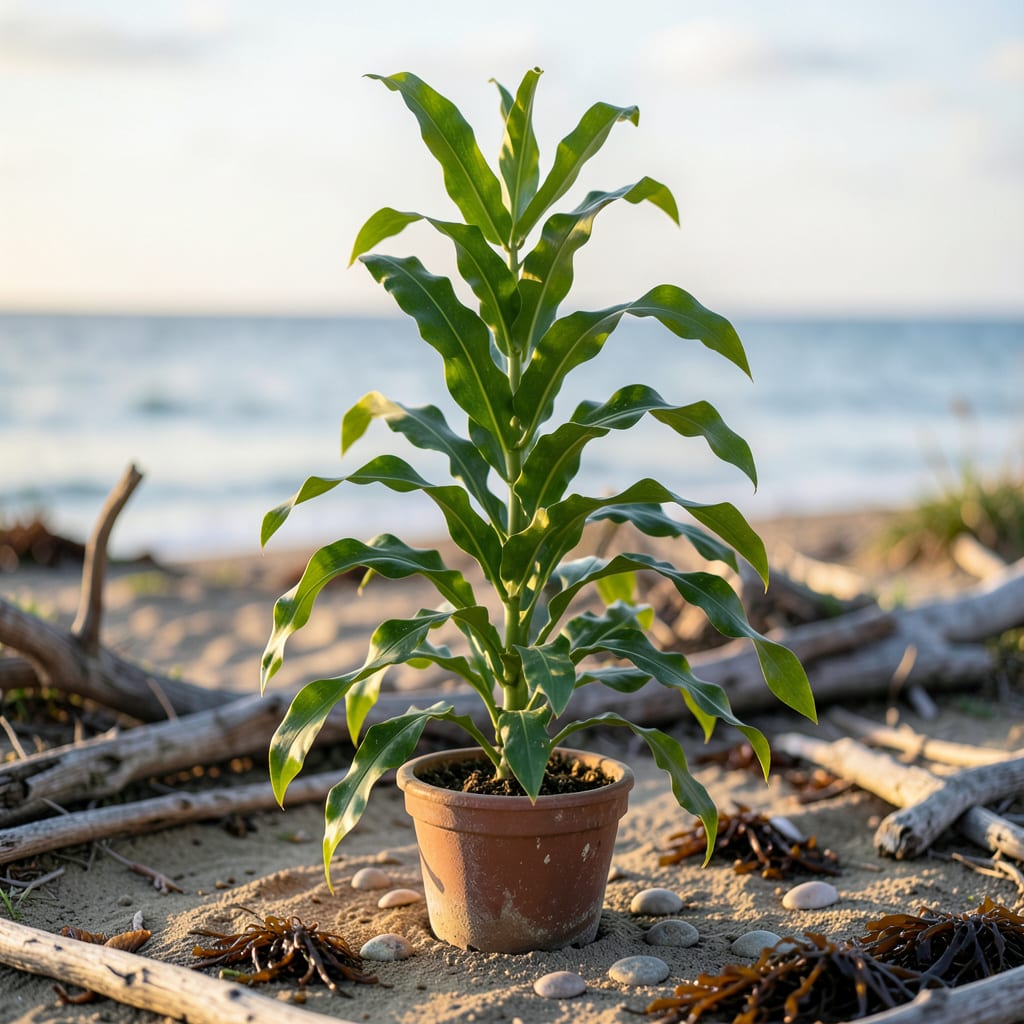
I’ve always been fascinated by kelp forests – underwater ecosystems that can grow to astonishing heights. Some kelp species, like giant kelp 🌿, can reach heights of over 100 feet, rivaling tall trees on land.
Growing kelp requires specific conditions, including cool, nutrient-rich waters typically found in USDA Zone 6 and beyond. Let’s explore the factors that influence kelp growth and how you can cultivate these marine giants in your own outdoor space.


Kelp is known for its impressive growth potential, with various species reaching different maximum heights. The giant kelp (Macrocystis pyrifera) is one of the most notable species, capable of growing up to 100 feet in ideal conditions.
Other kelp species, such as bull kelp (Nereocystis luetkeana) and elk kelp (Pelagophycus porra), also exhibit significant growth, although typically not to the same extent as giant kelp. Understanding the growth potential of different kelp species is crucial for both cultivation and conservation efforts 🌿.
The maximum height achieved by kelp is influenced by various factors, including water temperature, nutrient availability, and light penetration. Kelp thrives in cool, nutrient-rich waters, typically found in temperate coastal regions.
Giant kelp, for example, can grow at a rate of 2 feet per day under optimal conditions. This rapid growth is supported by its ability to absorb nutrients from the surrounding water and its adaptation to the cold, coastal waters of the Pacific Ocean.
The height of kelp is not just a matter of biological interest; it also plays a critical role in the marine ecosystem. Kelp forests provide habitat for a diverse range of marine life, including fish, invertebrates, and marine mammals. The tall, swaying fronds of kelp create a complex environment that offers shelter and food for many species.
Understanding the factors that influence kelp height is essential for managing kelp forests sustainably. As climate change and human activities continue to impact marine environments, the ability to predict and manage kelp growth becomes increasingly important.
Kelp cultivation is also becoming more popular as a sustainable aquaculture practice. By understanding the growth potential of different kelp species, farmers can optimize their cultivation techniques to maximize yield and minimize environmental impact 🌱.
The study of kelp height and growth patterns is an ongoing area of research, with scientists exploring new ways to use kelp for carbon sequestration, biofuels, and other applications. As our understanding of kelp biology and ecology improves, so too will our ability to harness its potential benefits.
In conclusion, the height of kelp is a remarkable aspect of its biology, with different species exhibiting a range of growth potentials. By continuing to study and manage kelp forests effectively, we can ensure the long-term health of these critical marine ecosystems 🌿.
Kelp growth is influenced by various environmental factors that determine its maximum height. Understanding these factors is crucial for both cultivating kelp and managing natural kelp forests 🌿.
The primary factors affecting kelp height include water temperature, nutrient availability, and light penetration. Kelp thrives in cool, nutrient-rich waters typically found in temperate coastal regions.
Kelp can grow up to 2 feet per day under optimal conditions, making it one of the fastest-growing organisms on Earth 🌿.
Water temperature plays a critical role in kelp growth. Most kelp species prefer temperatures between 42°F and 60°F (6°C and 15°C). Temperatures outside this range can slow growth or cause damage to the kelp.
Nutrient availability is another crucial factor. Kelp requires nitrates and phosphates to grow, which are often abundant in coastal upwelling areas. Nutrient-poor waters can limit kelp growth and reduce maximum height.
Light penetration affects kelp growth as it relies on sunlight for photosynthesis. In clear waters, kelp can grow taller as light can penetrate deeper. Turbid waters limit light availability, restricting kelp height.
Coastal currents also influence kelp growth by distributing nutrients and preventing sediment from settling on kelp fronds. Areas with strong currents often support healthier and taller kelp forests.
Understanding these factors helps in managing kelp forests and cultivating kelp sustainably. By optimizing conditions, farmers can improve kelp yield and contribute to marine biodiversity 🌊.
Research continues to uncover the complex interactions between kelp and its environment. As our knowledge grows, so does our ability to protect and utilize these valuable marine resources effectively 🌱.
Kelp is known for its impressive height, but how does it compare to other marine and terrestrial plants? Understanding these comparisons can provide valuable insights into the unique characteristics of kelp and its role in various ecosystems 🌿.
The height of kelp is remarkable when compared to other marine plants. For example, seagrasses typically grow much shorter, reaching heights of up to 3 feet. In contrast, kelp can form dense underwater forests that rival some terrestrial forests in complexity 🌊.
When comparing kelp to terrestrial plants, it’s clear that while kelp can grow to significant heights, it doesn’t reach the maximum heights of some tall trees. For instance, Coast Redwoods can tower up to 380 feet, far surpassing the height of even the tallest kelp 🌳.
Despite not being the tallest, kelp’s height is still impressive given its marine environment. The ability of kelp to grow so tall underwater is a testament to its adaptability and the unique conditions of its habitat 🌿.
Understanding these comparisons helps highlight the unique characteristics of kelp and its importance in marine ecosystems. By studying how kelp grows and interacts with its environment, we can gain a deeper appreciation for these fascinating underwater forests 🌊.
Giant kelp (Macrocystis pyrifera) is the tallest kelp species, capable of growing up to 100 feet in ideal conditions. This makes it one of the fastest-growing organisms on Earth, with growth rates of up to 2 feet per day. The giant kelp’s impressive height is supported by its ability to absorb nutrients from the surrounding water.
Several environmental factors influence kelp height, including water temperature, nutrient availability, and light penetration. Kelp thrives in cool, nutrient-rich waters typically found in temperate coastal regions. Optimal water temperatures for kelp growth range between 42°F and 60°F (6°C and 15°C).
Kelp is significantly taller than other marine plants like seagrasses, which typically grow up to 3 feet tall. Kelp forests can form dense underwater ecosystems that rival some terrestrial forests in complexity. This unique growth habit provides habitat for a diverse range of marine life.
Yes, kelp can be cultivated sustainably in cool, nutrient-rich waters. By understanding the factors that influence kelp growth, farmers can optimize cultivation techniques to maximize yield while minimizing environmental impact. Kelp cultivation is becoming increasingly popular as a sustainable aquaculture practice.
