
Beautiful Plants For Your Interior
Beautiful Plants For Your Interior
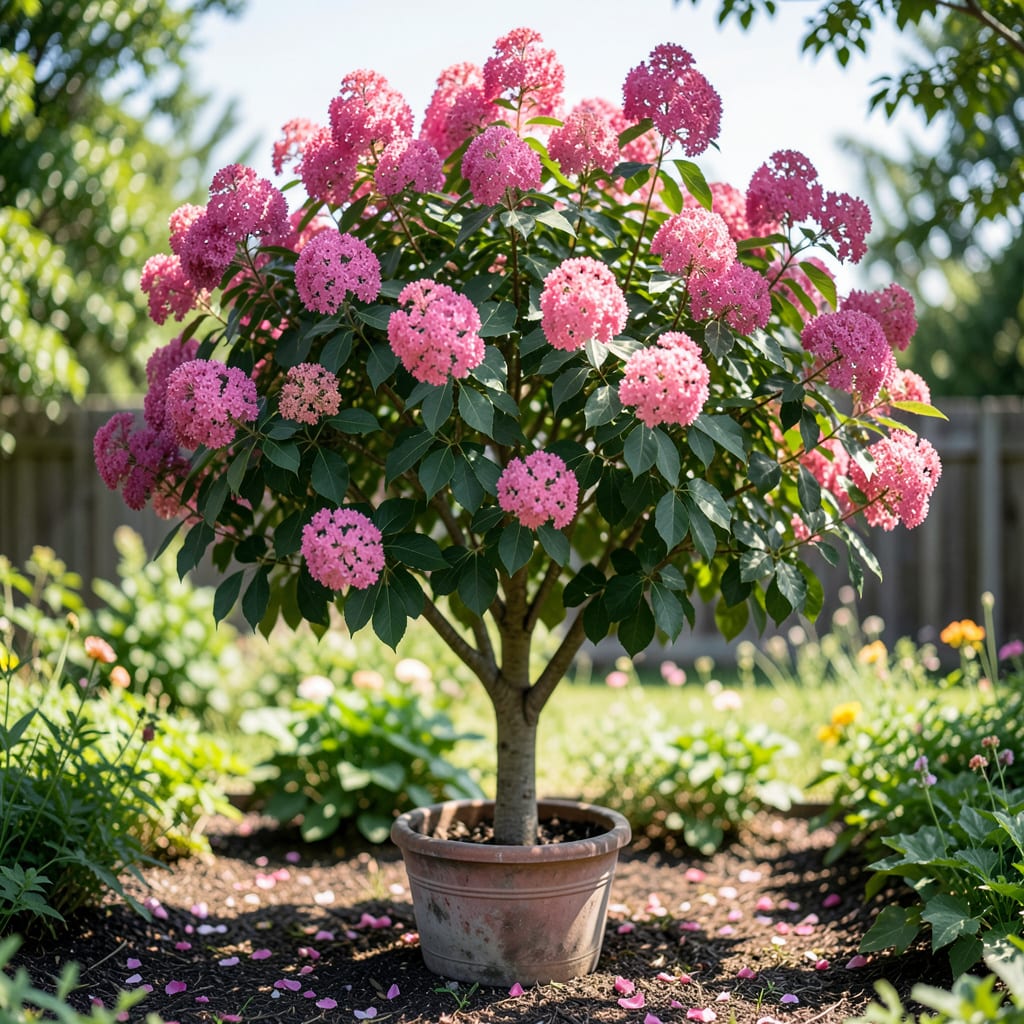
When planting a 🌳 Crape Myrtle, one of the first questions is: how tall can it really grow? Understanding their growth potential is crucial for perfect placement in your landscape, especially in USDA Zone 6 where they can thrive.
Crape Myrtles are known for their vibrant blooms and can grow to varying heights depending on the cultivar. Let’s explore what influences their height and how to manage it.


Crape myrtles are known for their vibrant blooms and can grow to varying heights depending on several factors. Understanding these factors is crucial for gardeners who want to manage the height of their crape myrtles effectively 🌳.
The height of crape myrtles can be influenced by factors such as soil quality, sunlight exposure, watering practices, pruning techniques, and cultivar variations. Each of these elements plays a significant role in determining the maximum height a crape myrtle can achieve.
These factors combined determine the ultimate height of a crape myrtle. For instance, a crape myrtle grown in optimal conditions with rich soil and ample sunlight will likely reach its maximum potential height 🔥.
Soil quality is particularly important as it affects nutrient availability and water drainage. Crape myrtles prefer well-draining soil that is rich in organic matter. This type of soil supports healthy root development, which is essential for the tree to reach its full height 🌿.
Sunlight exposure is another critical factor. Crape myrtles thrive in full sun, requiring at least six hours of direct sunlight per day. This exposure not only promotes vigorous growth but also enhances flowering, which is a key feature of these trees 💐.
Watering practices also play a significant role. While crape myrtles are relatively drought-tolerant once established, consistent moisture during the first year after planting is crucial. This consistent watering helps the tree develop a strong root system, supporting its growth to maximum height 💧.
The choice of cultivar can significantly impact the mature height of a crape myrtle. Different cultivars have been bred for various characteristics, including size. Gardeners should select a cultivar that fits their landscape needs, whether they prefer a dwarf variety or a standard, taller cultivar 🌻.
In summary, the height of crape myrtles is influenced by a combination of environmental factors and genetic predispositions. By understanding and managing these factors, gardeners can optimize the growth and health of their crape myrtles 🌼.
For example, proper pruning techniques can help control the height of crape myrtles while maintaining their health and promoting blooming. Pruning should be done during the dormant season to avoid stressing the tree 🌸.
By considering these factors and choosing the right cultivar for their needs, gardeners can enjoy the beauty and benefits of crape myrtles in their landscapes for years to come 🌺.
Crape myrtles come in various cultivars, each with its own growth characteristics and maximum height potential. Understanding these differences is essential for gardeners to choose the right variety for their landscape 🌳.
The height of crape myrtles can vary significantly based on the cultivar. Some are naturally dwarf or semi-dwarf, while others can grow quite tall. Let’s explore the different types and their typical mature heights.
Dwarf crape myrtles are ideal for smaller landscapes or container gardens. They typically grow between 6 to 8 feet tall, making them perfect for hedges or borders 🌻.
Semi-dwarf varieties offer a middle ground, reaching heights of 9 to 12 feet. These are suitable for medium-sized gardens where a moderate height is desired 🌺.
Standard crape myrtles are the tallest, growing up to 20 feet or more in ideal conditions. They make a dramatic statement in larger landscapes and can provide significant shade 🌳.
The growth habit of crape myrtles also varies by cultivar. Some have a compact, bushy shape, while others grow more upright and tall. Understanding the growth habit is crucial for proper placement and maintenance 🌸.
When selecting a crape myrtle, consider both the mature height and the growth habit to ensure it fits well in your landscape. Proper selection helps in planning the garden layout and reduces the need for frequent pruning 🌱.
By choosing the right crape myrtle variety, gardeners can enjoy the beauty and benefits of these trees while maintaining a well-planned and manageable landscape 🌼.
Pruning is an essential technique for managing the height of crape myrtles while maintaining their health and promoting blooming 🌳.
Proper pruning techniques can help control the height of crape myrtles, ensuring they fit well in the landscape without becoming too tall or unruly. The key is to prune at the right time and in the right manner 🔥.
Prune crape myrtles during their dormant season, typically in late winter or early spring, to minimize stress and promote healthy growth.
Start by removing any dead, diseased, or damaged branches to prevent the spread of disease and encourage healthy growth.
Thin out the center of the tree to allow for better air circulation and sunlight penetration, which helps in reducing disease and promoting blooming.
Shape the tree by cutting back branches to the desired height, making sure to cut just above a bud or lateral branch to promote new growth.
By following these pruning steps, gardeners can effectively manage the height of their crape myrtles, ensuring they remain healthy and visually appealing 🌸.
Regular pruning not only controls height but also enhances the overall appearance of the tree by promoting a balanced structure and encouraging vibrant blooms 🌺.
It’s important to avoid topping or severely cutting back crape myrtles, as this can lead to weak, unsightly growth and potentially harm the tree ❌.
Instead, focus on selective pruning to maintain the natural shape and promote the health of the tree 🌻.
By mastering these pruning techniques, gardeners can enjoy the beauty of their crape myrtles while keeping them at a manageable height 🌼.
Crape myrtles can grow between 6 to 20 feet tall, depending on the cultivar. Dwarf varieties reach 6-8 feet, semi-dwarf 9-12 feet, and standard cultivars can grow 13-20 feet or more. The height is influenced by factors like soil quality, sunlight, and pruning practices.
Pruning is key to managing crape myrtle height. Prune during the dormant season, removing dead or diseased branches, thinning the center, and shaping the tree to the desired height. Regular pruning promotes healthy growth and maintains the tree’s appearance.
Yes, dwarf or semi-dwarf crape myrtle varieties are suitable for container gardening. They can thrive in large containers with good drainage and full sun. This is a great option for smaller spaces or patios.
Crape myrtles are relatively drought-tolerant once established. Water them weekly during the first year, especially during hot summer months. Established trees can survive with less frequent watering, but consistent moisture promotes healthier growth.
