
Beautiful Plants For Your Interior
Beautiful Plants For Your Interior
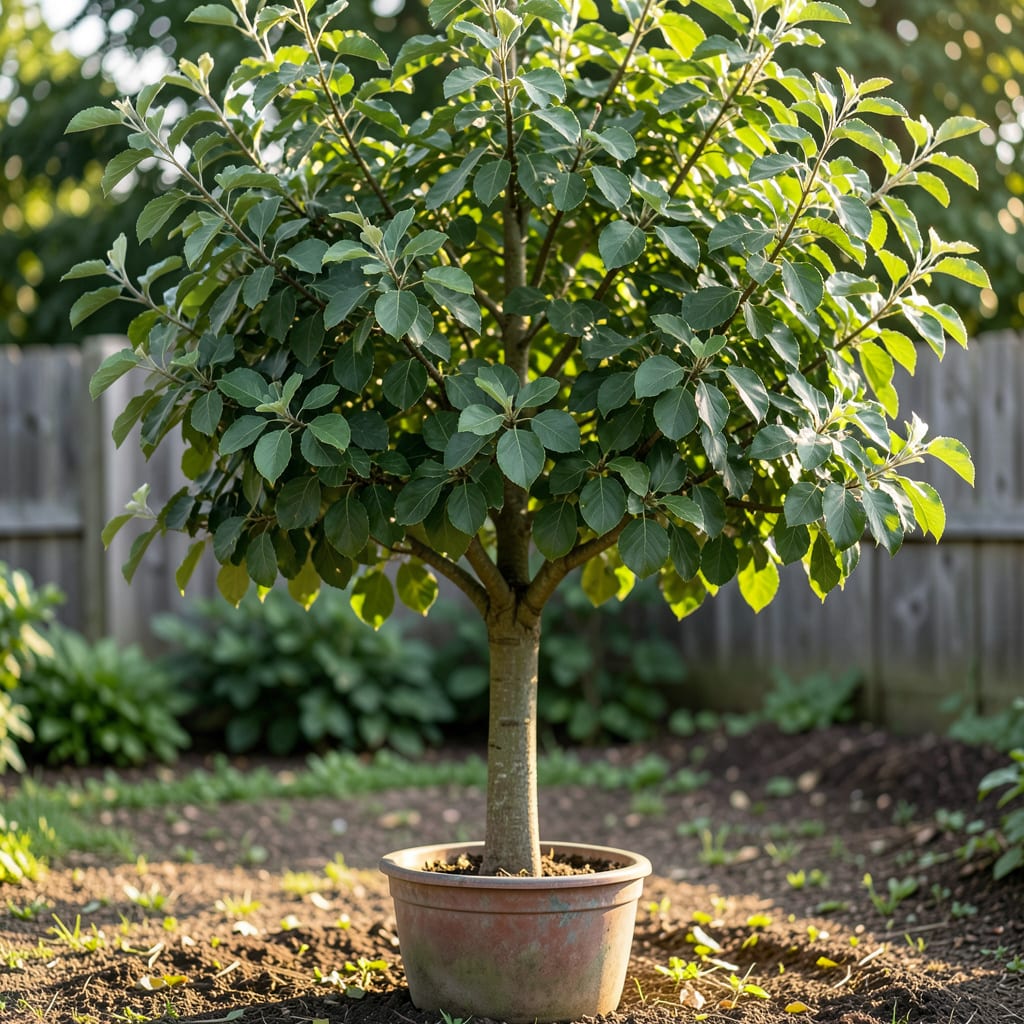
When planting a 🍐 Pear Tree, understanding its growth potential is crucial for proper garden planning. The height of a Pear Tree can vary significantly based on factors like rootstock and pruning practices.
In ideal conditions, a Pear Tree can grow between 12 to 25 feet tall, with dwarf varieties reaching 8-12 feet. Proper pruning and training techniques can help maintain a desired height while promoting healthy growth.


Pear trees can grow to varying heights depending on several key factors. The rootstock plays a crucial role in determining the mature height of the tree. Different rootstocks are known to influence the overall size, with some resulting in dwarf or semi-dwarf trees.
The variety of pear tree is another significant factor. Some pear tree varieties are naturally more vigorous and can grow taller than others. Understanding the specific characteristics of your pear tree variety is essential for anticipating its growth potential 🌳.
Soil conditions also significantly impact pear tree height. Trees grown in nutrient-rich soil with proper drainage tend to grow more vigorously. Conversely, poor soil quality can limit growth. Regular pruning practices are essential for maintaining a desired height and promoting healthy growth. Pruning helps control the tree’s size and encourages fruit production 🌿.
The climate and sunlight exposure also affect how tall a pear tree can grow. Pear trees thrive in full sun and temperate climates. Adequate sunlight ensures robust growth, while insufficient light can result in weaker, less vigorous trees. Understanding these factors helps gardeners make informed decisions about planting and caring for their pear trees ☀️.
Pear trees generally take several years to reach their full height. The growth rate can vary, but most pear trees exhibit a moderate growth rate. On average, a pear tree can grow 1-2 feet per year when young, slowing down as it matures. This growth pattern is typical for many fruit trees 🌲.
In addition to genetic factors, environmental conditions like temperature and moisture levels can influence growth. Pear trees prefer well-drained soil and consistent moisture. Extreme conditions, such as drought or waterlogged soil, can stress the tree and affect its growth 📉.
For gardeners, understanding these factors is key to managing pear tree height effectively. By selecting the right rootstock and variety, providing optimal growing conditions, and employing proper pruning techniques, you can influence how tall your pear tree will grow 🌟.
It’s also worth noting that dwarf and semi-dwarf varieties are popular choices for home gardens due to their smaller size and easier management. These trees are ideal for limited spaces and can be more manageable for gardeners with smaller areas 🏠.
Overall, the height of a pear tree is a result of a combination of genetic and environmental factors. By understanding and managing these factors, gardeners can cultivate healthy, productive pear trees that fit their garden’s needs 🌼.
Regular monitoring and maintenance are crucial for ensuring that your pear tree remains healthy and reaches its optimal height. This includes regular inspections for pests and diseases, as well as adjustments to care practices as needed 🔍.
By considering these aspects, gardeners can better predict and manage the growth of their pear trees, ensuring they thrive in their garden environment 🌿.
Proper pruning and training are essential for managing the height of your pear tree while promoting healthy growth and fruit production. Regular pruning techniques help control the tree’s size and encourage a balanced structure 🌳.
One effective method is dormant pruning, which involves pruning the tree during its dormant season, typically in late winter. This technique helps minimize stress on the tree and encourages vigorous growth in the spring 🌸.
When pruning, focus on removing dead, diseased, or damaged branches. This not only improves the tree’s appearance but also prevents the spread of disease and encourages healthy growth 🔍.
Training methods also play a crucial role in managing pear tree height. Techniques such as central leader training or open center training can help shape the tree and control its height 🌲.
Prune young trees to establish a strong structure
Continue pruning annually to maintain desired height
Thin fruit branches to promote better fruit quality
Regular inspection of your pear tree is also important. Look for signs of disease or pest infestations, and address these issues promptly to maintain the tree’s health 🔎.
By combining effective pruning techniques with proper training methods, you can successfully manage the height of your pear tree and enjoy a bountiful harvest 🌼.
It’s also beneficial to consider the growth habit of your pear tree variety. Some varieties naturally grow more upright, while others may have a spreading habit. Understanding these characteristics can help you tailor your pruning and training approach 🌱.
For those with limited space, dwarf or semi-dwarf pear tree varieties are excellent choices. These trees are naturally smaller and require less extensive pruning to maintain a manageable height 🏠.
Overall, managing pear tree height is a combination of regular pruning, appropriate training, and understanding the specific needs of your tree. With these practices, you can ensure your pear tree remains healthy and productive 🌟.
When selecting a pear tree for your garden, it’s essential to consider the mature height of the variety to ensure it fits your available space. Different pear tree varieties offer a range of growth habits and sizes, from dwarf to standard trees 🌳.
Dwarf pear tree varieties typically grow to be between 8-12 feet tall. These compact trees are ideal for small gardens or container gardening. They not only save space but also tend to produce fruit sooner than standard varieties 🏠.
Semi-dwarf varieties are another popular choice, growing to heights of 12-18 feet. They offer a balance between size and fruit production, making them suitable for medium-sized gardens 🌲.
Standard pear tree varieties are the largest, reaching heights of 15-25 feet or more. These trees are best suited for large gardens or orchards where they have ample space to grow 🌳.
Choosing the right variety depends on your specific needs and the space available in your garden. Consider factors such as the tree’s mature size, growth rate, and fruiting characteristics when making your selection 📝.
By selecting a pear tree variety that matches your garden’s conditions and space constraints, you can ensure a healthy and productive tree that provides enjoyment for years to come 🌟.
Pear trees can grow to varying heights depending on the variety and rootstock. On average, a mature pear tree can range from 12 to 25 feet tall. Dwarf varieties typically reach 8-12 feet, while standard varieties can grow taller .
Pear trees generally exhibit a moderate growth rate. On average, a young pear tree can grow 1-2 feet per year, slowing down as it matures. Factors like soil quality, climate, and pruning practices can influence the growth rate .
Yes, you can control the height of your pear tree through regular pruning techniques and training methods. Pruning helps maintain a desired height and promotes healthy growth. Techniques like dormant pruning and central leader training are effective for managing pear tree height .
For small gardens or container gardening, dwarf pear tree varieties are ideal. They typically grow to be between 8-12 feet tall and produce fruit sooner than standard varieties. Semi-dwarf varieties are also a good choice for medium-sized gardens .
