
Beautiful Plants For Your Interior
Beautiful Plants For Your Interior
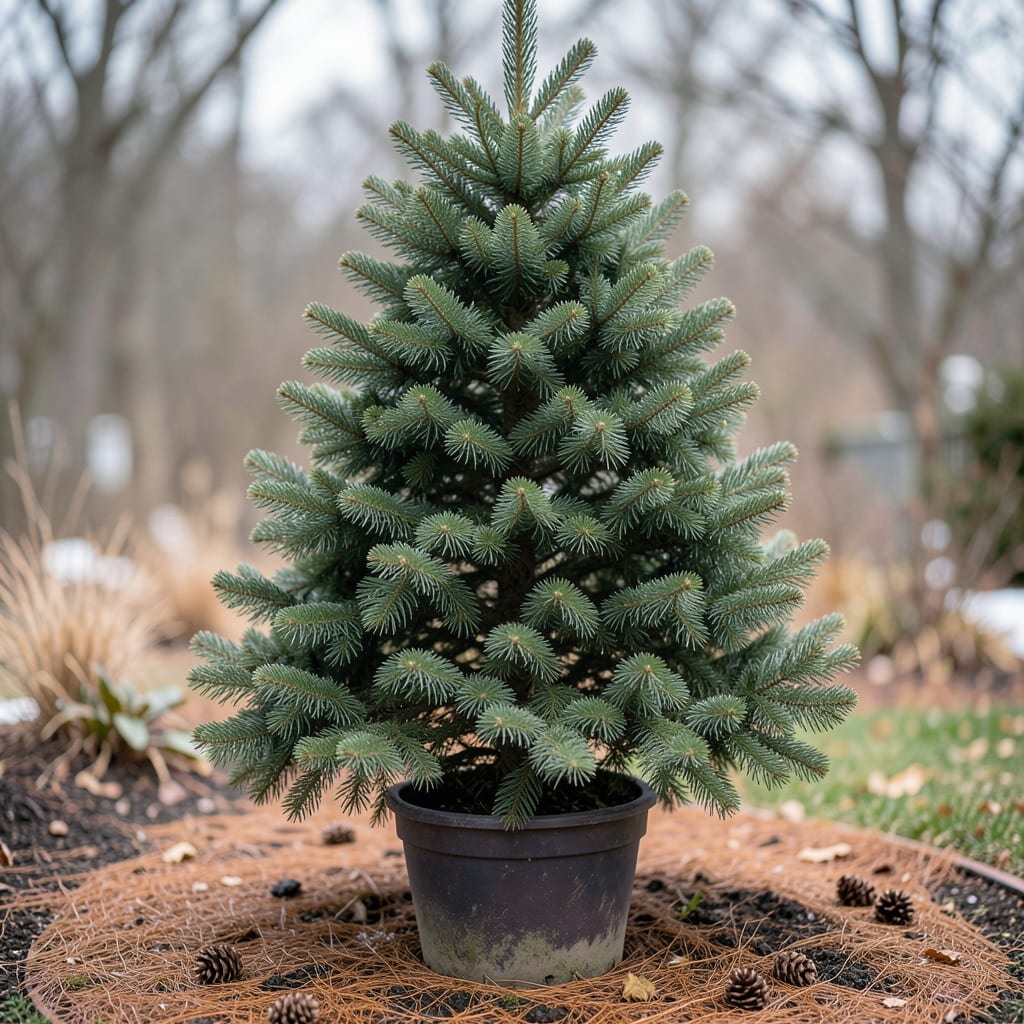
I’ve always been fascinated by how tall Christmas trees 🎄 can grow when planted outdoors. In ideal conditions, some species can reach heights of over 70 feet, becoming magnificent landscape features.
Understanding the growth potential of your Christmas tree helps you plan your landscaping and care routine effectively. Let’s explore the factors that influence their height and how to maintain these beautiful trees.


When considering Christmas trees for landscaping, understanding their growth potential is crucial for planning. The height of Christmas trees varies significantly across different species, with some growing much taller than others.
Popular Christmas tree species have different maximum heights. For example, the Fraser Fir can grow up to 80 feet tall, while the Douglas Fir can reach heights of 100 feet or more in ideal conditions. The Blue Spruce typically grows to be around 50-70 feet tall 🎄.
The maximum height a Christmas tree can achieve depends on various factors, including the specific species, growing conditions, and care practices. Some species are naturally taller than others, and environmental factors such as soil quality, climate, and available sunlight play a significant role in determining the ultimate height of the tree 🌳.
Soil quality is a critical factor in the growth of Christmas trees. Trees growing in well-drained, nutrient-rich soil tend to grow taller and healthier than those in poor soil conditions. The pH level of the soil also affects tree growth, with most Christmas tree species preferring slightly acidic soil.
Climate conditions are another crucial factor. Christmas trees generally thrive in cooler climates with adequate moisture. Extreme weather conditions, such as drought or excessive heat, can hinder growth.
Understanding these factors helps in selecting the right tree for your landscape and ensuring it reaches its full height potential 🌲.
For more information on maintaining healthy and tall Christmas trees, continue reading the next section.
Christmas tree maintenance is crucial for their growth. Regular watering and fertilization can significantly impact their height and overall health.
By understanding the specific needs of your Christmas tree species, you can create an optimal growing environment that supports maximum height and health.
Different species have different growth rates. The Fraser Fir typically grows at a rate of 1-2 feet per year, while the Douglas Fir can grow even faster, especially in ideal conditions.
Proper pruning techniques are essential for maintaining the shape and promoting the healthy growth of Christmas trees. Regular pruning helps in achieving a well-balanced and aesthetically pleasing tree.
By following these guidelines, you can ensure that your Christmas tree grows to its maximum potential height and remains a beautiful part of your landscape for years to come 🌟.
Understanding the factors that influence Christmas tree growth is crucial for achieving maximum height. The height of a Christmas tree is determined by a combination of genetic and environmental factors 🌳.
Soil quality plays a significant role in Christmas tree growth. Trees growing in well-drained, nutrient-rich soil tend to grow taller and healthier than those in poor soil conditions. The ideal soil pH for Christmas trees is slightly acidic, ranging from 6.0 to 6.5.
Christmas trees generally thrive in cooler climates with adequate moisture. Extreme weather conditions can significantly impact their growth.
Climate conditions are another crucial factor affecting Christmas tree height. Trees require adequate moisture and cooler temperatures to grow well. Extreme weather conditions, such as drought or excessive heat, can hinder growth and reduce the tree’s maximum height 🌟.
Maintenance practices, including watering, fertilization, and pruning, also impact Christmas tree growth. Regular watering ensures the tree receives enough moisture, while balanced fertilization provides essential nutrients. Pruning helps maintain the tree’s shape and promotes healthy growth 🌱.
By understanding and managing these factors, you can create an optimal growing environment for your Christmas tree, helping it reach its full height potential.
Different Christmas tree species have varying growth rates. For example, the Fraser Fir grows at a rate of 1-2 feet per year, while the Douglas Fir can grow even faster in ideal conditions.
Regular monitoring of your tree’s health and growth is essential. This includes checking for signs of disease, pests, and nutrient deficiencies, and taking corrective action as needed.
By combining the right environmental conditions with proper care practices, you can maximize the growth and height of your Christmas tree, ensuring it remains a beautiful and healthy part of your landscape.
When incorporating Christmas trees into your landscaping, managing their height is crucial for maintaining a balanced and aesthetically pleasing outdoor space 🌳.
Proper pruning techniques are essential for controlling the height of your Christmas tree. Regular pruning helps maintain the tree’s shape and promotes healthy growth by removing dead or diseased branches 🌱.
Determine the desired height of your Christmas tree based on your landscaping needs.
Prune your Christmas tree annually to maintain its shape and control its height. Remove any dead or diseased branches to promote healthy growth.
Regularly monitor the growth of your Christmas tree and adjust your pruning schedule as needed to maintain the desired height.
By following these steps, you can effectively manage the height of your Christmas tree and ensure it remains a beautiful and healthy part of your landscape 🌲.
Pruning not only controls height but also enhances the overall appearance of the tree. It helps in achieving a well-balanced and symmetrical shape, making it more visually appealing.
Different Christmas tree species may require different pruning techniques. Understanding the specific needs of your tree species is crucial for effective height management 🌟.
Regular maintenance, including watering and fertilization, supports healthy growth and helps in achieving the desired height.
By combining proper pruning techniques with regular care practices, you can ensure your Christmas tree grows to its full potential while maintaining a manageable height for your landscaping needs.
Christmas trees can grow to varying heights depending on the species. Some species, like the Douglas Fir, can exceed 100 feet in ideal conditions, while others may reach 50-70 feet. The maximum height is influenced by factors such as soil quality, climate, and maintenance practices .
Soil quality plays a significant role in determining the height of a Christmas tree. Trees growing in well-drained, nutrient-rich soil with a slightly acidic pH tend to grow taller and healthier than those in poor soil conditions. Regular soil testing can help ensure optimal growing conditions .
Yes, proper pruning techniques are essential for controlling the height of your Christmas tree. Regular pruning helps maintain the tree’s shape, promotes healthy growth, and removes dead or diseased branches. Prune your tree annually to achieve the desired height and maintain its aesthetic appeal .
Christmas trees require consistent moisture, especially during their growing season. Water your tree weekly during spring and fall, and twice a week during the hot summer months. Ensure the soil is moist but not waterlogged to support healthy growth and maximum height .
