
Beautiful Plants For Your Interior
Beautiful Plants For Your Interior
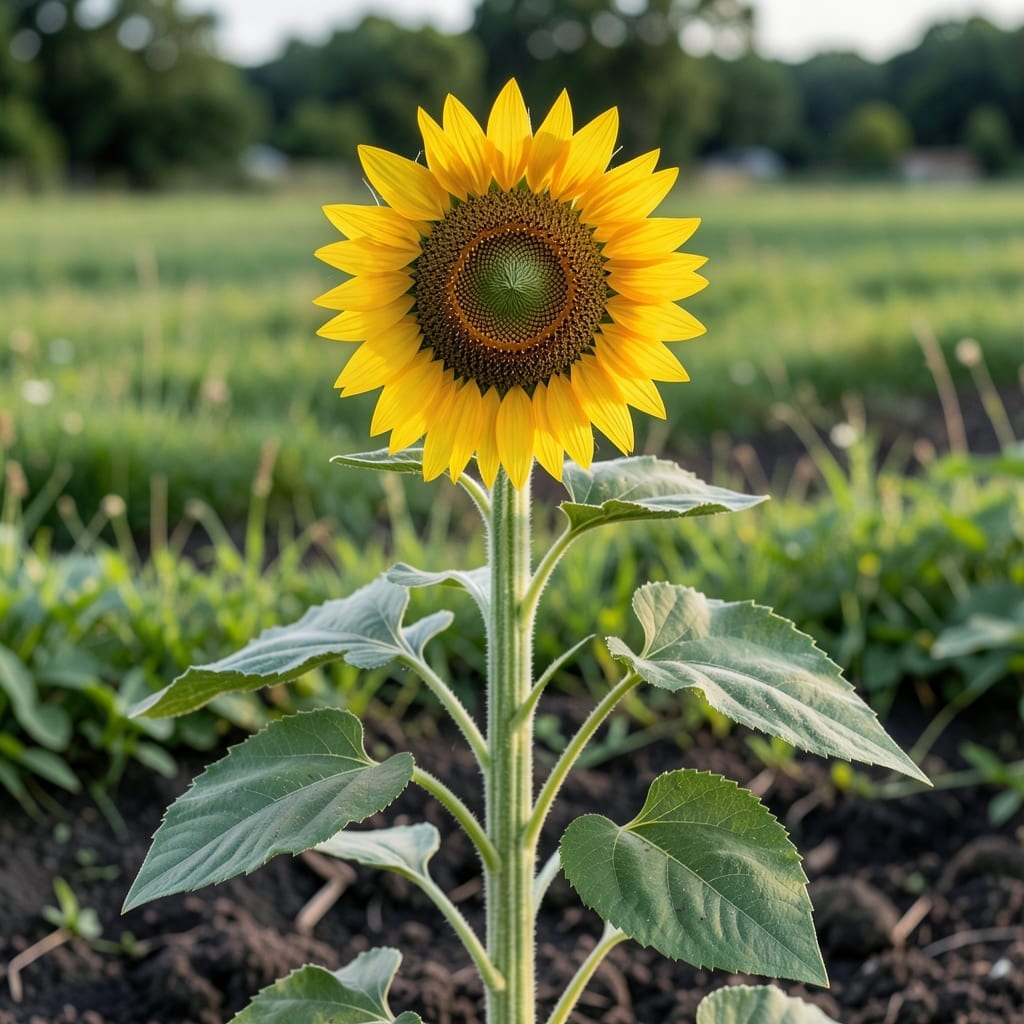
Sunflowers instantly brighten any garden with their golden faces, but their height can surprise even experienced gardeners. From dwarf varieties to towering giants, the 🌻 Sunflower comes in a range of sizes that can transform your landscape.
What many don’t realize is how much variety exists in sunflower heights. Some stay compact at just a foot tall, while others stretch over 12 feet under the right conditions. This diversity makes them perfect for any garden design.
Let me guide you through the typical height ranges and what influences their growth. You’ll discover how to cultivate sunflowers that fit your space perfectly, whether you want a border accent or a striking centerpiece.

Sunflowers display incredible height diversity, from compact dwarf types to sky-scraping giants. The most common garden varieties typically reach 5 to 12 feet tall under ideal conditions.
This range includes classic standard sunflowers that most gardeners recognize, but specialty cultivars can fall well outside these measurements. The variety you choose dramatically impacts your garden’s vertical dimension.
| Variety | Height Range |
|---|---|
| Dwarf | 1-3 ft |
| Semi-Dwarf | 3-6 ft |
| Standard | 6-12 ft |
| Giant | 12-16 ft |
I’ve found dwarf varieties like ‘Teddy Bear‘ perfect for container gardening, as they max out around 2 feet tall. These are ideal for patios or small garden spaces.
Semi-dwarf sunflowers, such as ‘Sunspot’, typically reach 3 to 6 feet. They offer substantial height without overwhelming smaller gardens or balconies.
The classic standard sunflowers most people picture grow 6 to 12 feet tall. ‘Moulin Rouge’ and ‘Autumn Beauty’ are popular choices in this range.
For true drama, giant varieties like ‘Russian Giant’ or ‘Mammoth’ can exceed 12 feet. I’ve seen some reach 15 feet in optimal conditions with rich soil and full sun.
Remember that these are mature heights. Your sunflowers will grow gradually, with most reaching their peak during the summer months of their growing season.
In my experience, the soil quality makes a huge difference in achieving maximum height. Rich, well-draining soil gives sunflowers the foundation they need to reach their full potential.
Also consider your garden layout when selecting varieties. Taller sunflowers work beautifully as natural privacy screens or focal points, while shorter types fit well in borders or mixed flower beds.
Several key factors determine how tall your sunflowers will grow. I’ve found that soil quality is the foundation—rich, well-draining soil with plenty of organic matter gives sunflowers the nutrients they need to reach their full potential.
Sunlight exposure is equally critical. Sunflowers are full-sun plants, requiring at least 6-8 hours of direct sunlight daily. Without adequate light, they’ll grow leggy and weak, struggling to reach their typical height.
Watering practices significantly impact height. While sunflowers are drought-tolerant once established, consistent moisture during the early growth stages encourages taller stems. I aim for 1-2 inches of water per week.
Spacing is often overlooked but crucial. Crowded sunflowers compete for resources, resulting in shorter plants. I plant mine 12-24 inches apart, depending on the variety’s mature size.
For the tallest sunflowers, consider wind protection. Strong winds can snap or topple tall varieties. I use bamboo stakes or plant them near a fence for support when growing giants.
Finally, remember that genetics play a role. Even with perfect care, a dwarf variety won’t grow as tall as a giant type. Always check the seed packet for expected mature heights when planning your garden. ☀️