
Beautiful Plants For Your Interior
Beautiful Plants For Your Interior
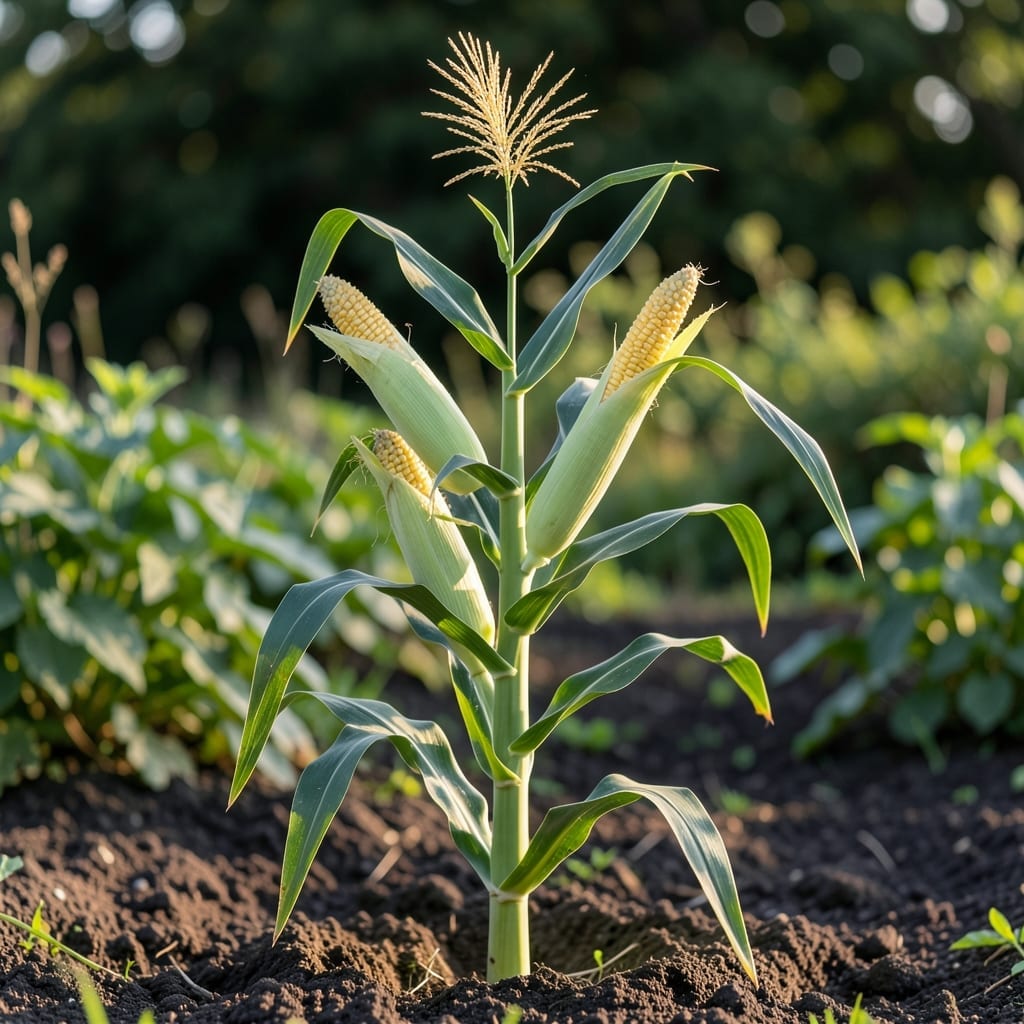
From dwarf varieties to towering giants, Corn 🌽 stalks show remarkable diversity in height. You might be surprised by how much these plants can vary in your garden.
Whether you’re growing sweet corn for summer barbecues or ornamental types for visual appeal, the height differences are striking. Understanding these variations helps you plan your space more efficiently.
Discover what affects their growth and how to achieve the best results for your specific variety. Let’s explore what makes some stalks reach for the sky while others stay compact.


Corn stalks can reach dramatically different heights based on their type. Sweet corn, field corn, and ornamental varieties each have their own typical ranges. This diversity makes corn suitable for everything from small gardens to large agricultural fields.
For home gardeners, understanding expected mature heights helps with spacing and support planning. Some dwarf varieties stay under 4 feet, while standard types can tower over 10 feet in ideal conditions.
| Corn Type | Variety Example | Height Range |
|---|---|---|
| Sweet Corn | Golden Bantam | 5-7 ft |
| Field Corn | Dent Corn | 7-10 ft |
| Popcorn | Robust | 5-8 ft |
| Ornamental | Strawberry Popcorn | 3-5 ft |
The sweet corn varieties most gardeners grow typically reach 6-8 feet. These are the types you’ll find at farmers markets and in home vegetable patches. Their manageable height makes them perfect for backyard cultivation.
Field corn, grown primarily for animal feed or ethanol, often exceeds 8 feet. In commercial farms with optimal conditions, some hybrids can push 12 feet or more. These tall stalks need strong wind protection.
Ornamental corns, like Strawberry Popcorn or Glass Gem, are bred for visual appeal. These often stay between 3-6 feet, making them ideal for decorative garden displays without overwhelming the space.
Environmental factors play a huge role in final height. Full sun and rich soil help corn reach its genetic potential. Crowded plants or poor nutrition will result in stunted growth regardless of variety.
For container gardening, look for dwarf varieties like ‘Early Sunglow’ which tops out around 4 feet. These compact plants still produce delicious ears while fitting on patios or balconies.
Remember that height measurements are taken from soil level to the top of the tassel. The ear itself forms about midway up the stalk, so you’ll want to ensure good access for harvesting.
If you’re growing multiple rows, space plants 12-18 inches apart in rows 30-36 inches apart. This spacing gives each stalk enough room to reach its full height without competing excessively for light and nutrients.
I’ve found that consistent watering during the tasseling stage is crucial for maximizing height. The stalk does most of its upward growth during this period, so don’t let the soil dry out completely between waterings.
Several key elements determine how tall your corn stalks will grow. Genetics play the biggest role, as each variety has a predetermined height range it can reach under ideal conditions.
Environmental factors then either help or hinder that potential. Soil quality tops the list—rich, well-draining soil with plenty of organic matter gives stalks the best foundation for growth.
Sunlight exposure directly impacts photosynthesis, which fuels growth. Without enough light, stalks grow thinner and shorter. I always plant my corn in the sunniest spot available.
Water availability is crucial, particularly during the rapid growth phase. Drought stress can stunt growth by 30-50%. A deep watering 2-3 times weekly works best in most climates.
Plant spacing affects both height and yield. Overcrowded plants compete for light and nutrients, resulting in shorter stalks and smaller ears. Follow seed packet recommendations carefully.
Proper fertilization makes a noticeable difference. I use a balanced 10-10-10 at planting, then side-dress with nitrogen when plants are knee-high. This feeds the vegetative growth that determines height.
Finally, wind protection becomes important for taller varieties. Plant in blocks rather than single rows, or use windbreaks to prevent damage that can limit growth. Even a simple fence can help your corn reach its full potential 🌽