
Beautiful Plants For Your Interior
Beautiful Plants For Your Interior
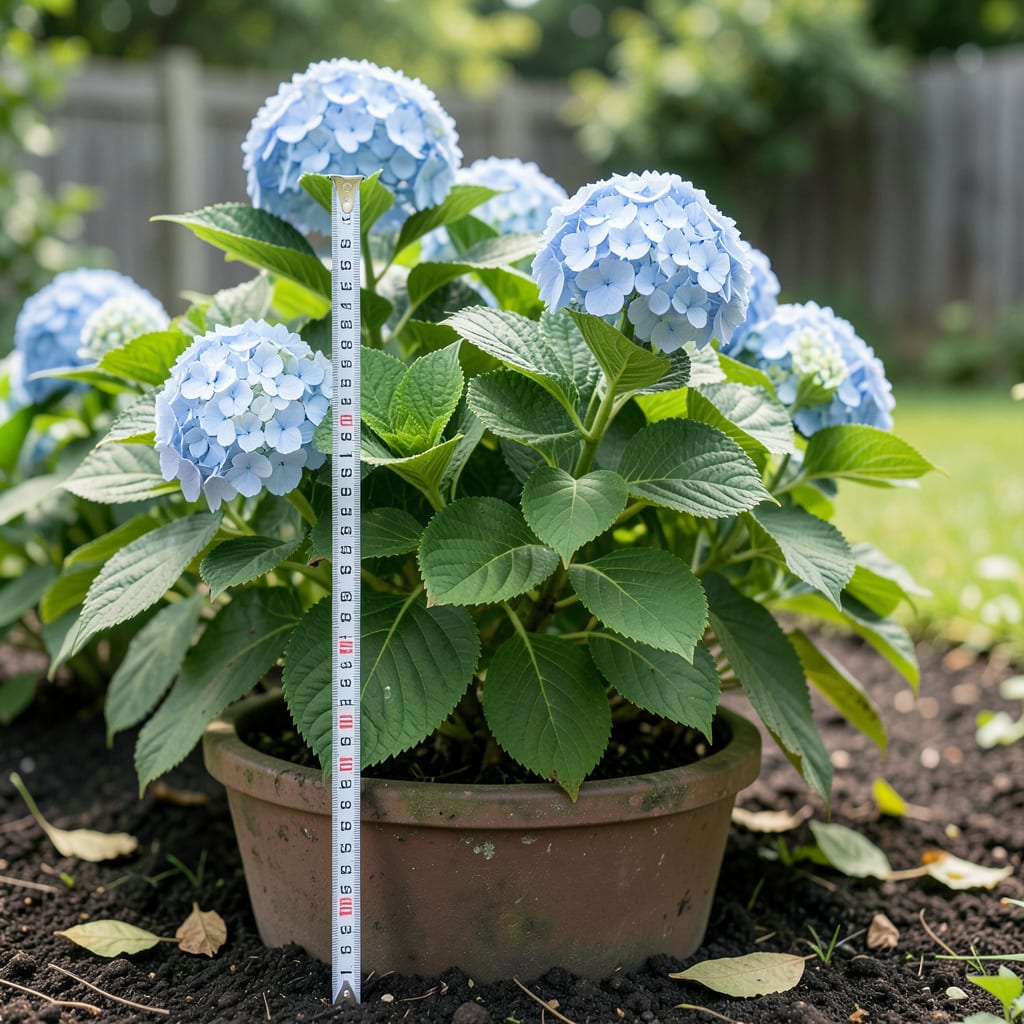
When planning your garden, understanding how tall and wide hydrangeas 🌸 grow is crucial for creating a beautiful and balanced landscape. These stunning shrubs can add significant visual interest, but their size varies greatly depending on the variety.
Most hydrangeas typically grow between 3 to 8 feet tall and wide, with some varieties spreading even wider. Knowing these dimensions helps you position them perfectly in your garden, ensuring they have enough space to thrive in USDA Zone 6.


Understanding how tall and wide hydrangeas grow requires examining several key factors that influence their size. The variety of hydrangea is the primary determinant of its mature size, with different types having distinct growth habits 🌸.
Other important factors include growing conditions such as soil quality, sunlight exposure, and moisture levels. Hydrangeas growing in well-draining, fertile soil with adequate moisture tend to reach their full size potential more effectively.
The variety of hydrangea plays the most significant role in determining its size. Different types have inherent growth patterns that dictate their mature height and width. For instance, Bigleaf hydrangeas typically grow between 3 to 6 feet tall and wide, while Panicle hydrangeas can reach heights of 6 to 8 feet or more 🌿.
Growing conditions also significantly impact hydrangea size. Soil that is rich in organic matter and maintains consistent moisture levels supports vigorous growth. Hydrangeas generally thrive in partial shade to full sun, although the specific sunlight requirements can vary by variety.
Care practices, particularly pruning, can also influence the size of hydrangeas. Regular pruning helps maintain the desired shape and size, while also encouraging healthy growth. Pruning should be done at the appropriate time of year, depending on the hydrangea type, to avoid removing flower buds 🔍.
By understanding these factors, gardeners can better predict and manage the size of their hydrangeas, ensuring they have enough space to flourish in the garden. Proper care and maintenance are key to achieving the optimal size and health for these beautiful shrubs 🌱.
Hydrangeas are known for their relatively fast growth rate, especially during their early years. Young plants can establish themselves quickly, often growing 1 to 2 feet per year under ideal conditions.
As hydrangeas mature, their growth rate tends to slow down. However, with proper care and favorable growing conditions, they can continue to thrive and reach their full size potential over time 🌻.
In summary, the size of hydrangeas is influenced by a combination of their variety, growing conditions, and care practices. By considering these factors, gardeners can make informed decisions about planting and maintaining their hydrangeas 🌸.
Different hydrangea varieties have distinct growth patterns and mature sizes. Understanding these differences helps gardeners choose the right plants for their space 🌸.
The size of hydrangeas can vary significantly between varieties. Let’s examine the typical height and width ranges for some popular types.
Bigleaf hydrangeas are known for their large, round flowers and typically grow between 3 to 6 feet tall and wide. They are a popular choice for gardeners who want a compact shrub with impressive blooms 🌼.
Panicle hydrangeas are notable for their cone-shaped flowers and can grow significantly taller, reaching heights of 6 to 8 feet or more, with a width of 4 to 6 feet. Their upright growth habit makes them suitable for hedges or borders 🌻.
Smooth hydrangeas offer large, rounded flower heads and generally grow between 3 to 6 feet tall and wide. They are valued for their hardiness and ability to thrive in various conditions 🌺.
Oakleaf hydrangeas are recognized by their oak-shaped leaves and can grow quite tall, typically between 6 to 8 feet in height, with a spread of 4 to 6 feet. They add a unique texture to garden landscapes 🌿.
By comparing these popular varieties, gardeners can select hydrangeas that best fit their garden’s size and style, ensuring a harmonious and thriving landscape 🌸.
Managing the size of hydrangeas in your garden is crucial for maintaining a balanced landscape and ensuring these beautiful shrubs thrive 🌸.
Effective size management involves several key strategies, including pruning techniques, spacing recommendations, and growth management strategies. By implementing these practices, gardeners can keep their hydrangeas healthy and within the desired size range 🔍.
Prune hydrangeas immediately after flowering to avoid removing next year’s flower buds. For panicle and smooth hydrangeas, prune in late winter or early spring before new growth begins 🌿.
Pruning techniques vary depending on the hydrangea variety. For Bigleaf hydrangeas, prune right after they finish blooming to preserve the next year’s flowers. In contrast, Panicle and Smooth hydrangeas can be pruned in late winter or early spring, as they bloom on new wood 🌻.
Spacing recommendations are essential for preventing overcrowding and ensuring proper air circulation around your hydrangeas. Generally, space hydrangeas 3 to 6 feet apart, depending on their mature size. This spacing helps reduce the risk of disease and promotes healthy growth 🌱.
Growth management strategies also play a vital role in controlling hydrangea size. Regularly inspect your plants for any dead or damaged branches and remove them promptly. Additionally, consider the overall shape you want to achieve and prune accordingly to maintain a balanced form 🌺.
By combining these strategies, gardeners can effectively manage the size of their hydrangeas, ensuring they remain a beautiful and integral part of the garden landscape 🌸.
Regular maintenance, including annual pruning and monitoring plant health, is key to keeping hydrangeas at their best. With the right care, these stunning shrubs can continue to enhance your garden for years to come 🌻.
In summary, managing hydrangea size involves a combination of proper pruning, appropriate spacing, and ongoing care. By following these tips, gardeners can enjoy healthy, well-sized hydrangeas that add beauty and structure to their gardens 🌺.
Most hydrangeas grow between 3 to 8 feet tall, depending on the variety. Bigleaf and Smooth hydrangeas usually reach 3-6 feet, while Panicle and Oakleaf varieties can grow 6-8 feet tall. Proper care and conditions help them reach their full height potential .
Hydrangeas generally spread as wide as they are tall. Bigleaf and Smooth varieties typically spread 3-6 feet, while Panicle and Oakleaf hydrangeas can spread 4-6 feet. Proper spacing is essential to prevent overcrowding and ensure healthy growth .
Yes, you can manage hydrangea size through regular pruning and proper care. Prune immediately after flowering for Bigleaf hydrangeas, and in late winter or early spring for Panicle and Smooth varieties. This helps maintain their shape and size .
Hydrangeas prefer consistently moist soil. Water them weekly, providing 1-2 gallons of water per plant, depending on weather conditions. Adjust frequency based on soil moisture and weather .
