
Beautiful Plants For Your Interior
Beautiful Plants For Your Interior
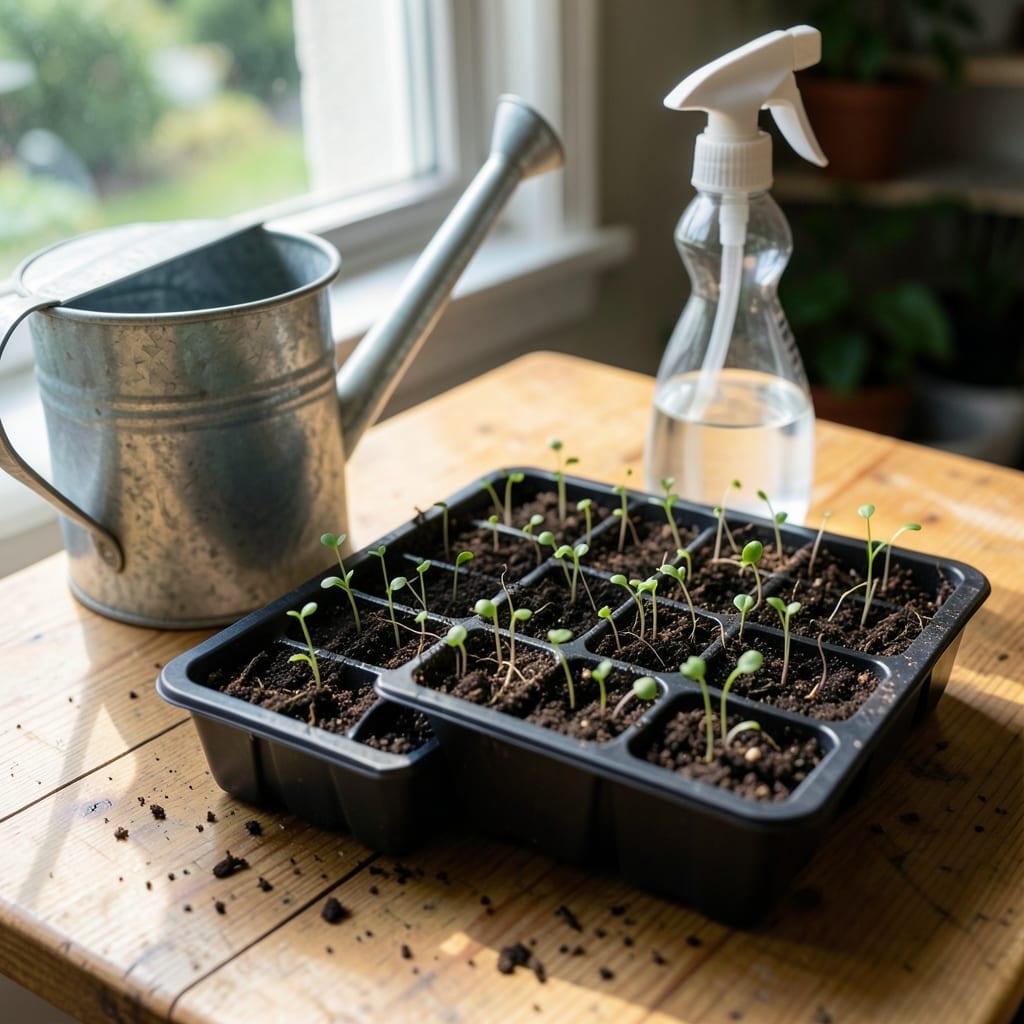
Watering starter seeds correctly is the key to turning those tiny specks into thriving 🌱 Seedlings. Get it wrong, and you might as well kiss your garden dreams goodbye before they even sprout.
Too much water drowns them, too little leaves them parched – it’s a delicate balance that many new gardeners struggle with. But once you understand the rhythm, it becomes second nature.
I’ve seen countless beginners make the same mistakes, only to watch their seedlings wilt or rot. The good news? You can avoid their fate with a few simple guidelines.
Discover how to give your Seedlings exactly what they need to flourish, from the very first drop of water to their first true leaves.
Getting the watering frequency right for starter seeds is crucial. I’ve found that most seeds need consistent moisture to germinate, but the exact schedule varies by plant type and conditions.
For example, tomato seeds thrive with daily misting, while herbs like basil prefer slightly drier soil between waterings. Always check the seed packet for specific guidance.
| Plant Type | Watering Frequency | Soil Moisture |
|---|---|---|
| Vegetables (Tomatoes, Peppers) | Every 1-2 days | Consistently moist |
| Herbs (Basil, Parsley) | Every 2-3 days | Slightly dry between waterings |
| Flowers (Marigolds, Zinnias) | Every 2 days | Evenly moist |
| Succulents (Cacti, Sedum) | Every 5-7 days | Let soil dry completely |
The environment plays a big role too. In hot, dry climates, you may need to water twice daily, while cool, humid areas might require less.
I always recommend using a spray bottle for gentle watering. This prevents soil displacement and ensures seeds stay in place. A fine mist is ideal for delicate seedlings.
Soil type matters as well. Peat-based mixes dry out faster than coconut coir, so adjust your schedule accordingly. I’ve had great success with self-watering trays for consistent moisture.
For indoor seedlings, place them near a sunny window but avoid direct heat sources. Grow lights can help if natural light is limited, but watch for drying soil under the lamps.
Remember, overwatering is worse than underwatering. Yellowing leaves or moldy soil are red flags. If in doubt, stick your finger 1 inch into the soil—if it’s dry, it’s time to water.
Finally, label your trays with plant names and dates. This helps track germination times and adjust watering as needed. I use popsicle sticks for a simple, effective solution.
With these tips, you’ll give your starter seeds the best chance to grow into strong, healthy seedlings 🌱
I’ve learned that starter seeds give clear signals when their watering needs aren’t met. Watch for wilting leaves or dry soil as signs of thirst, while yellowing often means too much water. Catching these early saves your seedlings.
Another red flag is mold growth on the soil surface, which screams overwatering. If the seedling stems look weak or mushy, that’s a sure sign to hold off on watering for a day or two.
I always check soil moisture with my finger—1 inch down should feel slightly damp. If it’s bone dry, it’s time to water, but if it’s soggy, wait another day. This simple test prevents most issues.
For herb seedlings like basil or parsley, I water when the topsoil feels dry. They prefer consistent moisture but hate sitting in standing water. A spray bottle works great for gentle hydration.
Vegetable starters such as tomatoes and peppers need more attention. I water them every 1-2 days in warm weather, but always check the soil first. Morning watering helps prevent fungal growth.
If you see leaf drop, don’t panic—it’s often a sign of stress from inconsistent watering. Adjust your routine and monitor closely for a few days. Your seedlings will bounce back with the right care.
Remember, every plant has unique needs, so observe daily and adjust as needed. Consistency is the key to strong, healthy seedlings 🌱