
Beautiful Plants For Your Interior
Beautiful Plants For Your Interior
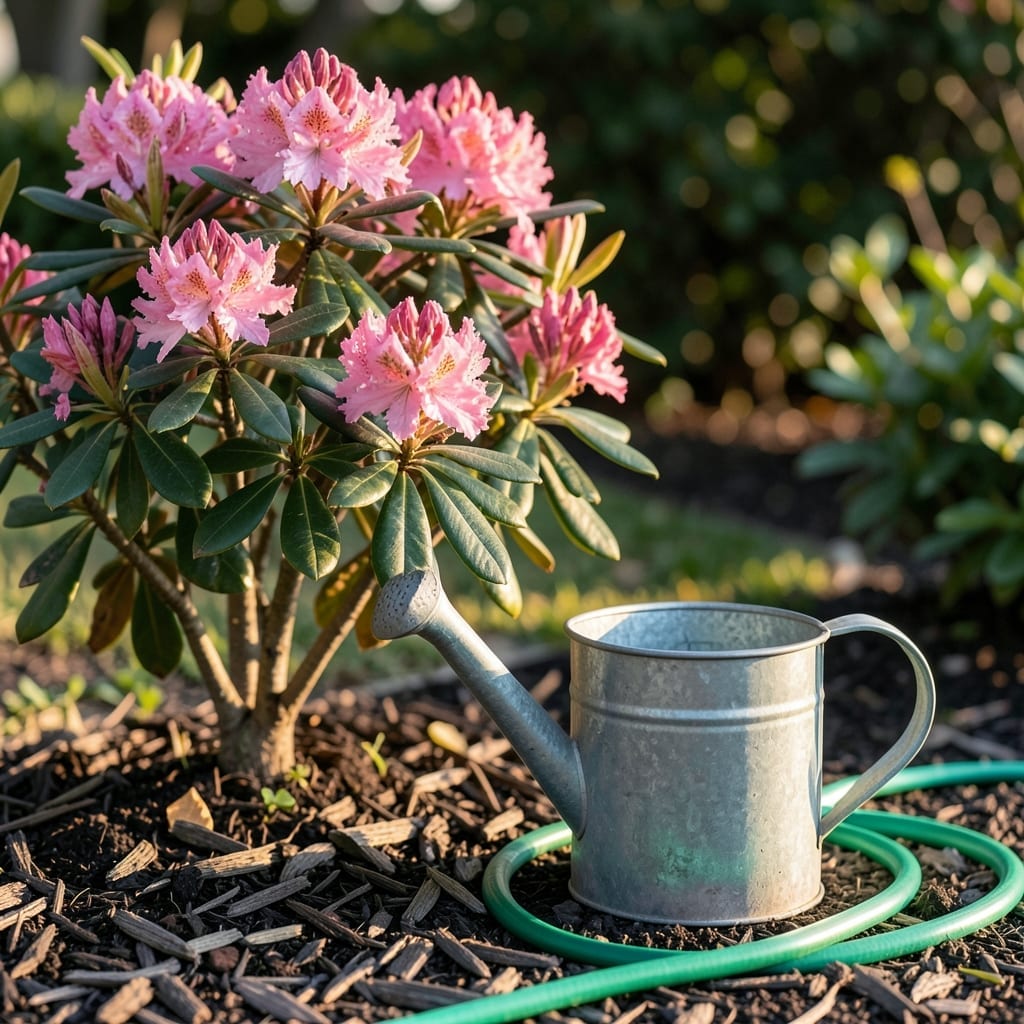
Rhododendrons reward gardeners with vibrant blooms, but their watering needs often lead to confusion. Overwatering or underwatering can stress these plants, affecting their growth and flowering.
I’ve seen too many 🌸 Rhododendron enthusiasts struggle with wilting leaves or lackluster blooms. The truth is, getting the watering right is simpler than you think.
Discover the seasonal secrets to keeping your shrubs healthy and thriving. Let’s break down exactly what your plants need to flourish.
Getting the watering schedule right is key to vibrant rhododendron blooms. These shrubs thrive with consistent moisture but hate soggy roots. I’ve learned that timing and seasonal changes make all the difference.
Their shallow root systems dry out quickly, especially in hot summers or windy conditions. Adjusting your approach by season prevents stress and keeps those glossy leaves and colorful flowers looking their best.
| Season | Frequency | Notes |
|---|---|---|
| Spring | Weekly | New growth needs steady moisture |
| Summer | 2x per week | Hot weather increases evaporation |
| Fall | Weekly | Prep for winter dormancy |
| Winter | Bi-weekly | Only if soil is dry and thawed |
In spring, I water my rhododendrons once a week to support new growth and bud formation. The soil should stay evenly moist but never waterlogged.
When summer heat arrives, I switch to twice weekly watering. Early morning is best to reduce evaporation and prevent fungal issues. A deep soak encourages roots to grow deeper for better drought resistance.
Fall watering helps rhododendrons store energy for winter. I keep the weekly schedule until the first frost, then taper off. This prevents winter desiccation without over-saturating cold soil.
In winter, I only water every 2 weeks if we have a dry spell and the ground isn’t frozen. Evergreen varieties still need some moisture to avoid leaf scorch from cold winds.
Climate plays a role too. In dry climates, I check soil moisture more often. For rainy regions, I reduce watering and ensure good drainage to prevent root rot.
A simple finger test helps: stick your finger 1-2 inches into the soil. If it feels dry, it’s time to water. This method is more reliable than a fixed schedule.
Mulching with 2-3 inches of organic material like pine bark or wood chips helps retain moisture and regulate soil temperature. Just keep the mulch away from the trunk to avoid rot.
Consistency is key. Rhododendrons hate fluctuations in soil moisture, so stick to your schedule and adjust only when the weather demands it 🌸
Your rhododendron will often tell you when it’s thirsty or overwatered. I’ve found that catching these signs early prevents long-term damage to these beautiful shrubs.
Wilting leaves and drooping stems are classic signs of underwatering. The soil may also feel dry and crusty to the touch, pulling away from the edges of the pot or planting hole.
Yellowing leaves, especially starting at the base of the plant, often indicate overwatering. The soil may stay soggy long after watering, and you might notice a foul odor from root rot.
Another red flag is leaf drop without an obvious cause like pests or disease. Rhododendrons may shed leaves when stressed by too much water, particularly if the soil doesn’t drain well.
For underwatered plants, I recommend a deep soak immediately, then check soil moisture daily until the plant recovers. For overwatered rhododendrons, stop watering and let the soil dry out completely before resuming.
In both cases, improving drainage is crucial. Amend heavy soils with organic matter like compost, and consider raised beds if your garden has poor drainage. A 2-3 inch mulch layer helps maintain consistent moisture levels.
Remember, rhododendrons prefer consistent moisture without waterlogged roots. Observing your plants closely will help you strike the perfect balance 🌸