
Beautiful Plants For Your Interior
Beautiful Plants For Your Interior
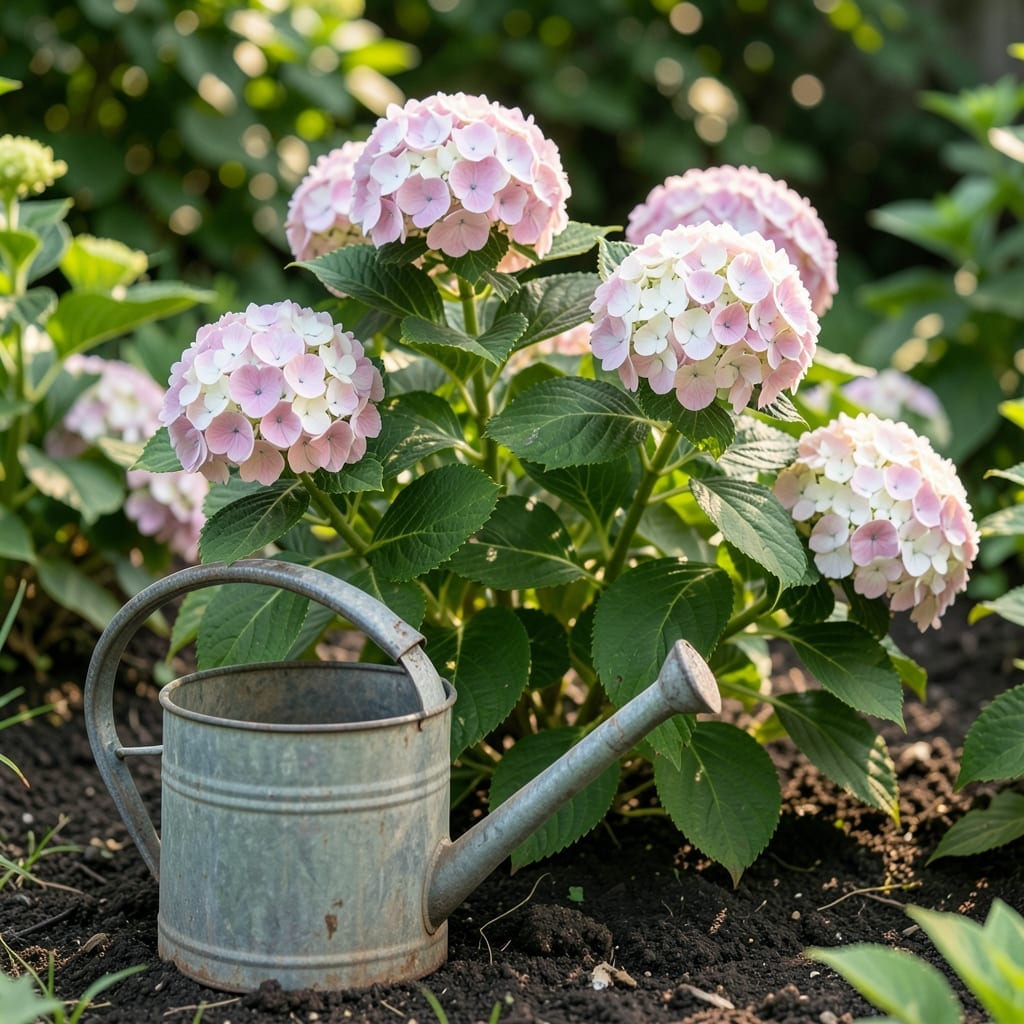
Hydrangeas transform gardens with their lush, colorful blooms—but inconsistent watering can turn those vibrant 🌸 flowers into wilted disappointments. Getting the schedule right is the key to keeping them thriving.
I’ve seen too many gardeners struggle with this exact issue. The good news? With a few simple adjustments, you can avoid the common pitfalls and enjoy healthy, flourishing plants.
Discover how to adjust your watering routine for different seasons and climates. Your Hydrangeas will thank you with bigger, brighter blooms.
Getting the watering frequency right for hydrangeas depends on the season. In spring, I start with weekly deep soaks to encourage root growth as the plant wakes up.
As temperatures rise in summer, I increase to 2-3 times per week, especially in hot, dry climates. These plants love moisture, but they hate soggy roots.
| Season | Watering Frequency | Notes |
|---|---|---|
| Spring | Weekly | Deep soak for root growth |
| Summer | 2-3x per week | More in hot, dry climates |
| Fall | Weekly | Reduce as temps cool |
| Winter | Bi-weekly | Only if soil is dry |
In fall, I scale back to weekly watering as the plant prepares for dormancy. The goal is to keep soil moist but not waterlogged.
Winter watering is minimal—just a bi-weekly check if we’ve had a dry spell. Hydrangeas are dormant but still need occasional moisture.
For hot, dry climates, I water every 2-3 days in peak summer. In cool, humid areas, once a week is often enough. Always check soil moisture first.
I use the finger test: stick my finger 2 inches into the soil. If it’s dry, it’s time to water. If it’s damp, wait a day or two.
Clay soil holds moisture longer, so I water less frequently. Sandy soil drains fast, so I water more often but in smaller amounts.
In containers, hydrangeas dry out faster. I check daily in summer and water when the top inch of soil feels dry. Always ensure good drainage to prevent root rot.
For garden beds, a thick layer of mulch helps retain moisture. I apply 2-3 inches of organic mulch around the base, keeping it away from stems to avoid rot.
Early morning watering is ideal. It reduces evaporation and gives plants time to absorb moisture before the heat of the day. 🌿
Your hydrangeas will tell you when they’re thirsty—or drowning. I watch for drooping leaves first, as this often signals under-watering in hot weather.
Another red flag is yellowing leaves, which can mean too much water or poor drainage. Check the soil before adjusting your routine.
I’ve found crispy brown edges on leaves are a sure sign of under-watering. These appear when the plant is chronically dry and needs consistent moisture.
Wilting blooms often mean the plant is water-stressed. I increase watering and add mulch to retain moisture around the roots.
When I see soil pulling away from the stem, it means the roots are drying out and contracting. A deep watering usually fixes this quickly.
For over-watered hydrangeas, I look for mushy stems or black spots on leaves. The fix is simple: stop watering and improve drainage.
Always check the soil 2 inches down before watering. If it’s damp, wait. If it’s dry, it’s time for a deep drink. 🌸