
Beautiful Plants For Your Interior
Beautiful Plants For Your Interior
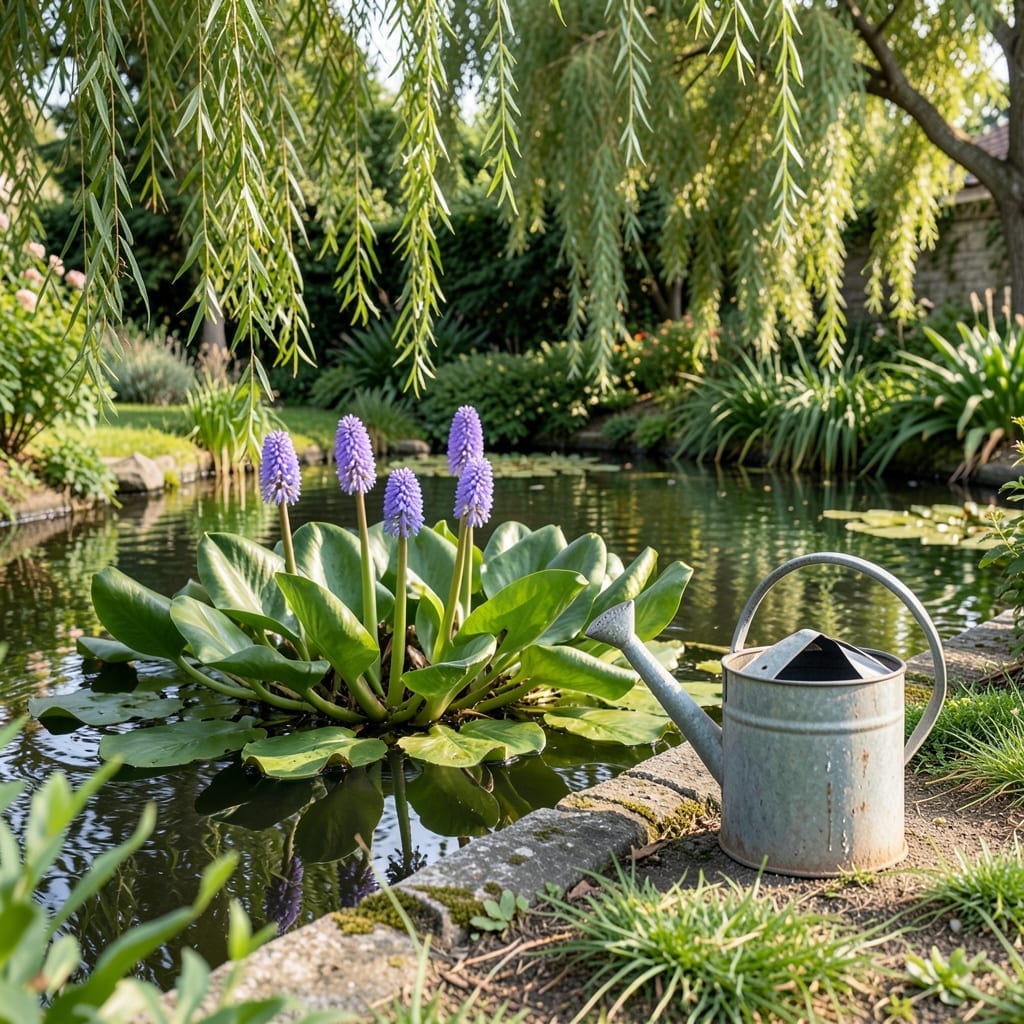
Hyacinths are stunning floating plants that thrive with the right care, but their watering needs often confuse gardeners. Unlike typical soil plants, the 🌸 Hyacinth requires a different approach to stay healthy and vibrant.
I’ve seen too many gardeners struggle with wilting blooms or root rot because they treated these beauties like ordinary flowers. The truth is, proper watering makes all the difference.
Let me walk you through the key factors that determine how often your Hyacinth needs water, so you can enjoy those gorgeous, fragrant blooms without the guesswork.
Hyacinths are unique because they’re floating plants that absorb water directly through their roots. This means water quality and frequency are more critical than for traditional garden plants.
I recommend checking your hyacinths every 2-3 days in warm weather, as they can dry out quickly. In cooler conditions, once a week is usually sufficient for healthy growth.
🌸 Hyacinth Watering Guide
| Factor | Frequency |
|---|---|
| Hot Climate | Every 2-3 days |
| Moderate Climate | Every 4-5 days |
| Cool Climate | Every 7 days |
| Indoor Containers | Check daily |
For outdoor ponds or water gardens, hyacinths typically need less frequent water changes because they draw nutrients from the surrounding water. However, stagnant water can lead to issues.
In containers or small ponds, I suggest topping off the water every 3-4 days to compensate for evaporation. Always use room-temperature water to avoid shocking the plants.
Watch for yellowing leaves or wilting blooms, which often signal under-watering. Conversely, root rot or foul odors may indicate overwatering or poor water circulation.
During peak summer, hyacinths may need daily attention if the water evaporates quickly. I’ve found that morning watering helps prevent heat stress during the hottest part of the day.
If your hyacinths are in full sun, they’ll likely need more frequent water than those in partial shade. Aim for at least 6-8 hours of sunlight daily for best results.
For indoor hyacinths, maintain consistent moisture by checking the water level daily. These plants are sensitive to dry air, so a light misting can help in low-humidity environments.
Finally, remember that water quality matters as much as quantity. Avoid using chlorinated water—let tap water sit for 24 hours before use to allow chlorine to dissipate.
🌿Several environmental factors influence how often your hyacinths need water. I’ve learned that temperature and humidity play the biggest roles in determining their watering schedule.
In hotter climates, hyacinths lose water faster through evaporation. That’s why I check my plants more frequently when the thermometer climbs above 80°F.
🌱 Key Watering Influences
Sunlight exposure directly impacts water needs. My hyacinths in full sun always need more water than those in partial shade. Aim for 6-8 hours of sunlight daily.
I’ve noticed that water quality matters just as much as quantity. Chlorinated water can harm these delicate plants, so I always let tap water sit for 24 hours before using it.
Container size also affects watering frequency. Larger ponds retain moisture longer, while small containers may need daily top-ups during summer heat waves.
Finally, seasonal changes should guide your watering schedule. In winter, I reduce watering to bi-weekly, while summer often requires daily attention to prevent dehydration. 🌿