
Beautiful Plants For Your Interior
Beautiful Plants For Your Interior
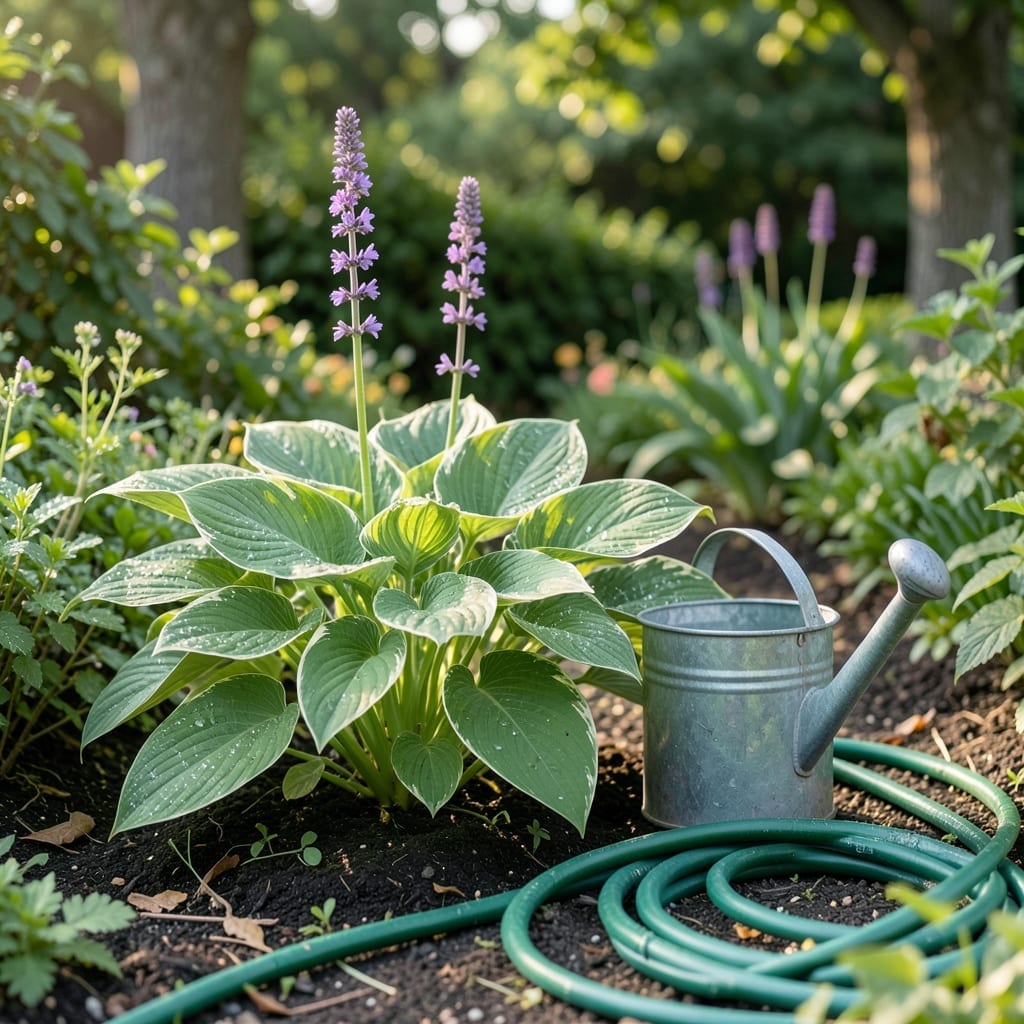
Hostas are beloved for their lush, vibrant foliage, but improper watering can turn your garden from gorgeous to lackluster in no time. Knowing the right watering schedule is key to keeping these shade-loving 🌿 thriving year-round.
I’ve seen too many gardeners struggle with wilting leaves or root rot simply because they didn’t adjust their approach. The good news? With a few simple tweaks, you can maintain perfect moisture levels.
Discover how to read your plants’ needs and create a watering routine that works for your climate and soil. Your hostas will thank you with their most vibrant display yet.
Getting your hosta watering schedule right is the secret to those vibrant green leaves we all love. These shade-loving plants have specific needs that change with the seasons.
I always tell gardeners to check soil moisture before watering—hostas hate soggy roots but also dislike dry spells. The key is consistent moisture without waterlogging. 🌿
| Season | Watering Frequency | Key Notes |
|---|---|---|
| Spring | Weekly | New growth needs steady moisture |
| Summer | 2x per week | Hot weather may need extra water |
| Fall | Weekly | Reduce as growth slows |
| Winter | Bi-weekly | Only water if soil is dry and no frost |
In spring, I start with weekly watering as new shoots emerge. The soil should feel slightly damp an inch down. This is when your hostas are building their root systems for summer.
When summer heat hits, I switch to watering twice weekly. Early morning is best to prevent evaporation. If you’re in a drought-prone area, consider a drip irrigation system for consistency.
As fall approaches, I scale back to weekly watering. The plants are preparing for dormancy, so less is more. Keep an eye on rainfall amounts to avoid overdoing it.
In winter, hostas need very little water. I only water every 2 weeks if we have a dry spell with no snow cover. Remember, frozen soil can’t absorb water properly.
For container-grown hostas, the rules change slightly. They dry out faster, so I check them every 3-5 days in summer. Always ensure your pots have drainage holes to prevent root rot.
I’ve found that mulching helps maintain soil moisture year-round. A 2-3 inch layer of organic mulch around your hostas will retain water and suppress weeds. Just keep it away from the crown to prevent rot.
Remember, these are general guidelines. Your specific needs may vary based on soil type, climate, and hosta variety. When in doubt, check the soil before watering. 💧
Your hostas will tell you when they’re thirsty or drowning—if you know what to look for. I always check for visual cues before adjusting my watering routine.
Yellowing leaves often mean too much water, while crispy edges signal not enough. These signs are your plants’ way of communicating their needs. 🌿
When I see yellow leaves, I immediately check the soil. If it’s soggy, I hold off watering and improve drainage. Hostas in heavy clay are especially prone to this.
For crispy edges, I give my hostas a deep watering and add mulch to retain moisture. Morning watering helps prevent evaporation during hot days.
I’ve learned that container hostas show stress faster. Their limited root space means they dry out or get waterlogged quickly. Always check the soil before watering.
Remember, these signs can also indicate other issues like pests or disease. When in doubt, dig a little deeper—literally and figuratively—to find the root cause. 💧