
Beautiful Plants For Your Interior
Beautiful Plants For Your Interior
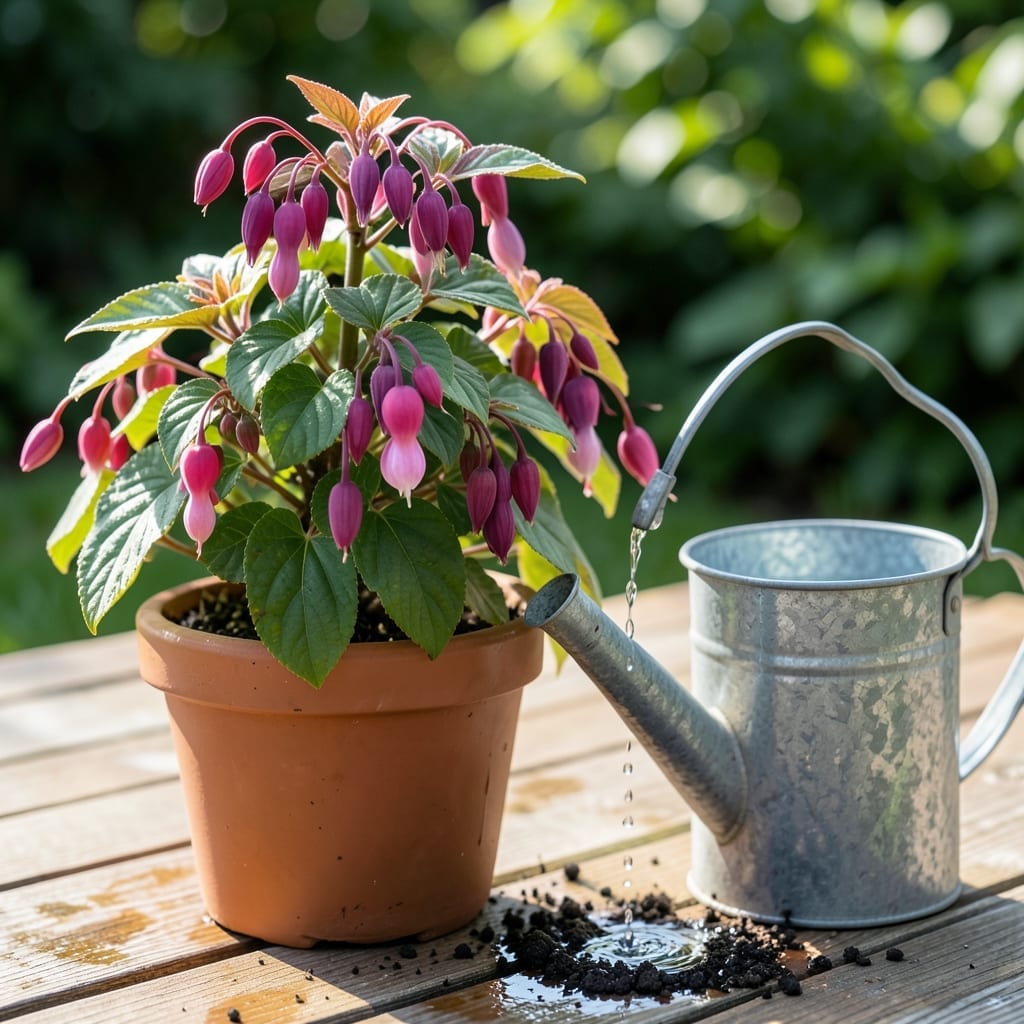
Fuchsias are stunning, delicate plants that thrive with the right watering routine—but get it wrong, and you’ll see wilted leaves or root rot instead of vibrant blooms.
I’ve learned the hard way that consistent moisture is the key to keeping 🌸 Fuchsia happy. Too much or too little water can spell disaster for these beautiful flowers.
Whether you’re growing them in pots or in the ground, understanding their needs will save you frustration. I’ll show you how to strike the perfect balance.
Discover the simple schedule that keeps your Fuchsia blooming all season long—without the guesswork.
Getting the watering frequency right is key to healthy fuchsias. These plants love consistent moisture but hate soggy roots. I’ve found that seasonal changes and your local climate play huge roles in how often you should water.
In my experience, potted fuchsias need more frequent watering than in-ground plants because containers dry out faster. Well-draining soil is a must to prevent root rot, which is a common issue with these beauties. 🌸
| Season | Frequency | Notes |
|---|---|---|
| Spring | Every 3-4 days | Increase as temperatures rise |
| Summer | Every 1-2 days | Daily checks in heatwaves |
| Fall | Every 4-5 days | Reduce gradually as growth slows |
| Winter | Weekly | Keep soil just moist |
The finger test is my go-to for checking soil moisture. Stick your finger 1-2 inches into the soil—if it feels dry, it’s time to water. Overwatering signs include yellowing leaves and mushy stems, while underwatering shows as drooping foliage.
For potted fuchsias, I recommend watering in the morning to allow excess moisture to evaporate during the day. This helps prevent fungal diseases that thrive in damp conditions. Always use room-temperature water to avoid shocking the roots.
Humid climates may require less frequent watering, while arid regions demand more attention. I’ve noticed that terracotta pots dry out faster than plastic ones, so adjust your schedule accordingly. Mulching can help retain moisture in the soil.
If you’re growing fuchsias indoors, keep an eye on the humidity levels. These plants prefer moderate humidity, so consider using a pebble tray with water to create a microclimate around your plant. This can reduce the need for frequent watering.
Drainage holes are non-negotiable for fuchsias. Without them, water can pool at the bottom of the pot, leading to root rot. I always elevate my pots to ensure proper drainage and avoid waterlogging.
During heatwaves, I’ve found that shade cloth can be a lifesaver. It protects the plants from excessive evaporation and reduces water stress. Just
Finally, observing your plants is the best way to fine-tune your watering routine. Fuchsias will often tell you what they need—wilting in the afternoon might mean they need more water, while mold on the soil signals too much moisture. 🌿
Mastering the watering balance for fuchsias takes practice, but these pro tips will help you avoid common pitfalls. I’ve tested these methods in my own garden, and they’ve made a noticeable difference in plant health and bloom quality.
First, always water at the base of the plant to keep the foliage dry. Wet leaves can lead to fungal diseases, which fuchsias are particularly susceptible to. 🌸
The type of pot matters more than you might think. Terracotta pots are porous and dry out quickly, while plastic pots retain moisture longer. I recommend unglazed clay pots for better airflow to the roots.
Mulching is another game-changer for fuchsias. A 2-inch layer of organic mulch helps retain moisture and keeps the soil temperature stable. Just be sure to keep the mulch away from the stem to prevent rot. 🌿
If you’re growing fuchsias in hanging baskets, they’ll likely need daily watering in hot weather. The exposed position means they dry out faster than ground-planted or sheltered fuchsias. I check mine every morning during summer.
Lastly, humidity levels can affect your watering schedule. In dry climates, consider misting your plants or using a humidity tray. However, avoid getting water on the flowers, as this can cause spotting or damage the delicate blooms.