
Beautiful Plants For Your Interior
Beautiful Plants For Your Interior
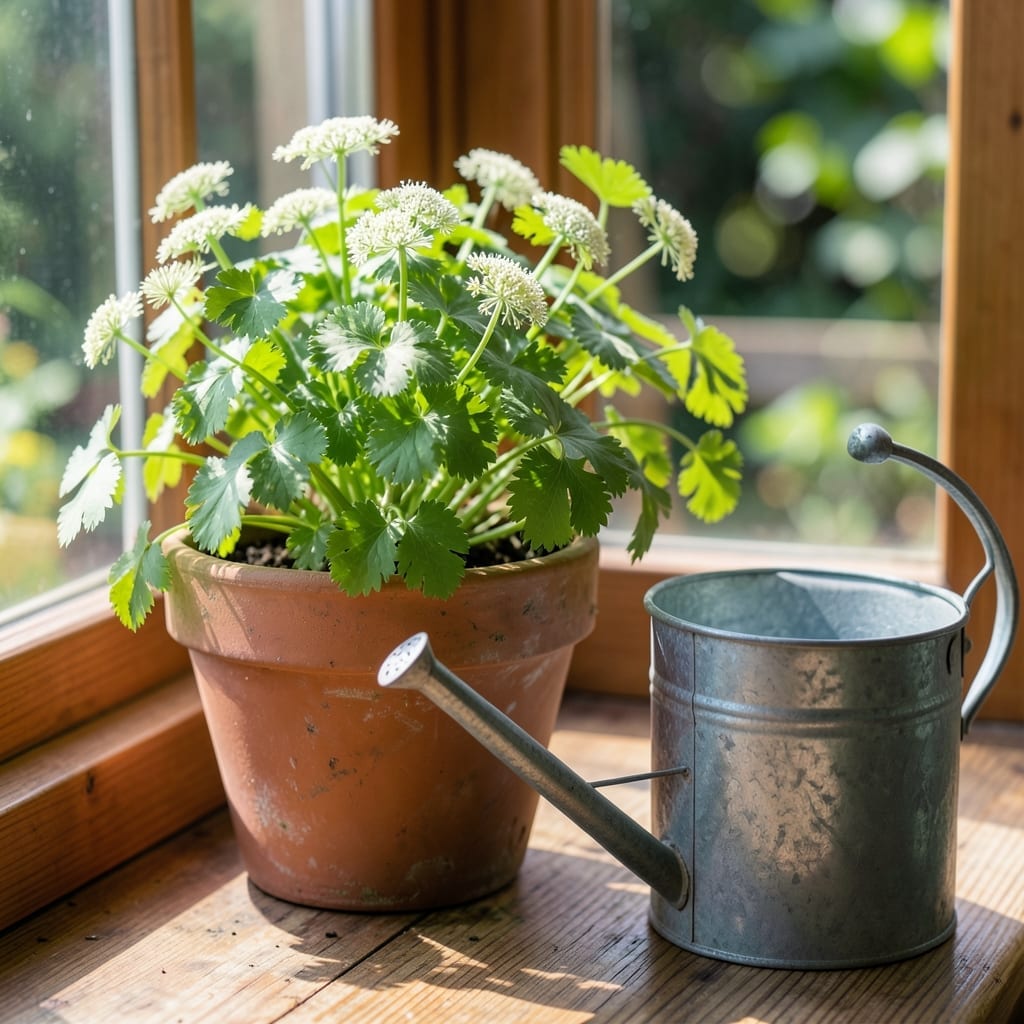
Cilantro thrives with the right watering routine, but overdo it and you’ll watch your 🌿 herbs wilt. I’ve seen too many gardeners struggle with this balance, turning vibrant plants into sad, soggy messes.
Getting it right means healthy growth and a bountiful harvest. The key is understanding your plant’s needs, not just following a generic schedule.
Discover how to nail the perfect watering rhythm for your cilantro. Let’s make sure your herbs stay lush and flavorful all season long.
Getting the watering frequency right is crucial for healthy cilantro. In my experience, most gardeners either drown their herbs or let them dry out. The sweet spot keeps the soil consistently moist without waterlogging.
Cilantro generally needs 1 inch of water per week, but this varies by season and growing conditions. I’ll break down the specifics so you can adjust your routine for optimal growth.
| Condition | Watering Frequency |
|---|---|
| Spring/Fall | Every 5-7 days |
| Summer Heat | Every 3-5 days |
| Winter | Every 10-14 days |
| Potted Cilantro | Every 3-5 days |
| Ground Plants | Every 5-7 days |
In warmer months, I check my cilantro daily. The top inch of soil should feel dry before watering again. This prevents root rot while ensuring the plant doesn’t stress from drought.
For container-grown cilantro, the rules change slightly. Pots dry out faster, so I water every 3-4 days in summer. Always use containers with drainage holes to avoid soggy roots.
In cooler seasons, I scale back to weekly watering. The plant’s growth slows, and excess moisture can lead to fungal issues. A simple finger test in the soil tells me when it’s time.
Watch for wilting leaves—this often signals underwatering. But if the leaves turn yellow, you might be overdoing it. I’ve found that morning watering works best, giving the plant time to absorb moisture before the heat sets in.
Well-draining soil is non-negotiable for cilantro. I mix in compost to improve moisture retention while ensuring excess water can escape. This setup helps maintain that perfect balance of moisture.
If you’re growing cilantro in raised beds, monitor the soil more closely. These dry out faster than in-ground plots. I’ve had success with a drip irrigation system set to a timer for consistent moisture.
Finally, remember that mature cilantro needs less frequent watering than seedlings. Young plants require daily attention until established, while older ones thrive with deep, infrequent watering to encourage strong roots.
With these guidelines, your cilantro will stay vibrant and productive throughout the growing season 🌱
Mastering cilantro watering goes beyond just frequency. I’ve learned that consistency and technique make all the difference in growing thriving herbs. Here’s how to elevate your approach.
First, always water at the base of the plant. Wetting the leaves can invite fungal diseases, especially in humid conditions. I use a watering can or drip irrigation for precision.
Mulching is a game-changer for cilantro. I apply a 1-inch layer of organic mulch like straw or shredded leaves. This keeps the soil moist longer and suppresses weeds.
In hot climates, I water my cilantro every 3-4 days. But I always check the soil first—sometimes the top looks dry, but the deeper layers are still moist. A moisture meter can help if you’re unsure.
For container cilantro, I recommend using self-watering pots. These maintain consistent moisture levels, which is especially helpful if you travel or have a busy schedule. Just be sure to refill the reservoir regularly.
Finally, pay attention to your cilantro’s leaves. If they start to curl or droop, it’s often a sign of underwatering. But if they turn yellow, you might be giving them too much water. Adjust your routine based on what your plants are telling you.
With these pro tips, your cilantro will reward you with lush growth and a long harvest season 🌱