
Beautiful Plants For Your Interior
Beautiful Plants For Your Interior
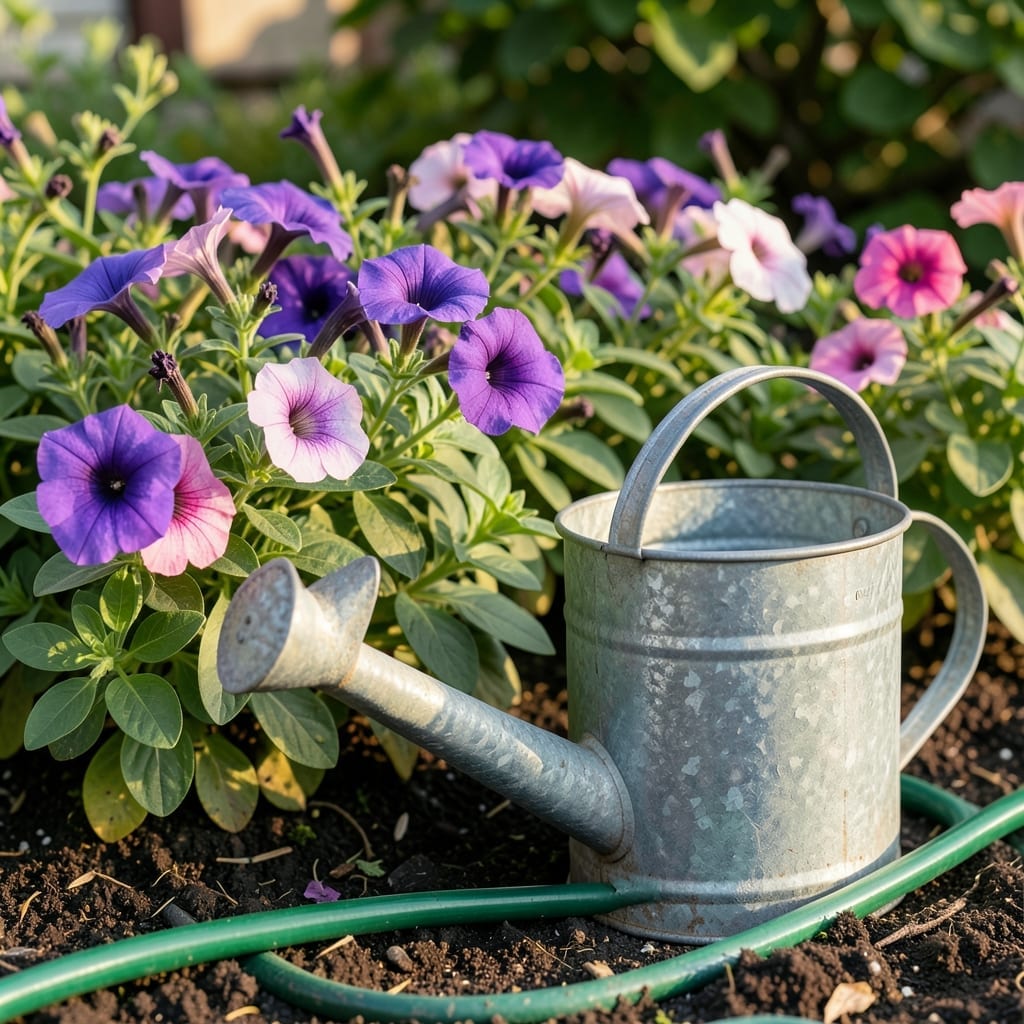
Overwatering or underwatering your 🌼 Annuals can mean the difference between vibrant blooms and a wilted garden. It’s the key to keeping your plants thriving all season long.
Many gardeners struggle with finding the right balance, especially as weather changes. What works in spring won’t necessarily work in summer’s heat.
Discover how to adjust your watering schedule based on climate, soil, and your Annuals’ growth stage. Your garden will thank you.
Getting the watering schedule right for your annuals means understanding that their needs change with the seasons. What works in cool spring won’t suffice during summer’s heat.
I’ve found that spring annuals typically need weekly watering, while summer plants often require more frequent attention as temperatures rise.
| Season | Watering Frequency | Key Considerations |
|---|---|---|
| Spring | Weekly | Cool temps, moderate rainfall |
| Summer | Every 3-5 days | High heat, rapid evaporation |
| Fall | Weekly | Cooler temps, less evaporation |
The soil type dramatically affects how often you should water. Sandy soils drain quickly and may need more frequent watering, while clay soils hold moisture longer.
I always check soil moisture by sticking my finger 1-2 inches into the ground. If it feels dry, it’s time to water your annuals.
Container-grown annuals dry out faster than those in ground. They often need daily watering in peak summer, especially small pots in full sun.
In hot climates, I recommend morning watering to reduce evaporation. This gives plants moisture before the day’s heat sets in.
Mulching around your annuals helps retain soil moisture. I use 2-3 inches of organic mulch to keep roots cool and reduce watering needs.
Remember that newly planted annuals need more frequent watering to establish roots. I water them every 2-3 days for the first week.
Finally, always adjust for rainfall. If your area gets 1 inch of rain in a week, you can skip your regular watering schedule.
With these seasonal adjustments, your annuals will reward you with vibrant blooms all growing season long 🌼
Your annuals will tell you when they’re thirsty—or drowning—if you know what to look for. I check my plants daily for these visual cues that take the guesswork out of watering.
One of the most obvious signs is drooping leaves that perk up after watering. This is your plant’s way of saying it needs a drink, and it often appears first in the hottest part of the day.
For container annuals, I pay special attention to the weight of the pot. A light pot usually means it’s time to water, while a heavy one suggests the soil is still moist.
The finger test is my go-to method: if the top 1-2 inches of soil feels dry, it’s time to water. This works for both in-ground and container plants.
I’ve learned that morning wilting often indicates underwatering, while evening wilting might be normal. But if leaves stay droopy overnight, your annuals definitely need water.
Finally, watch for leaf color changes. Yellow leaves often mean too much water, while brown, crispy edges suggest too little. Your annuals will reward your attention with healthier growth and more blooms 🌼