
Beautiful Plants For Your Interior
Beautiful Plants For Your Interior
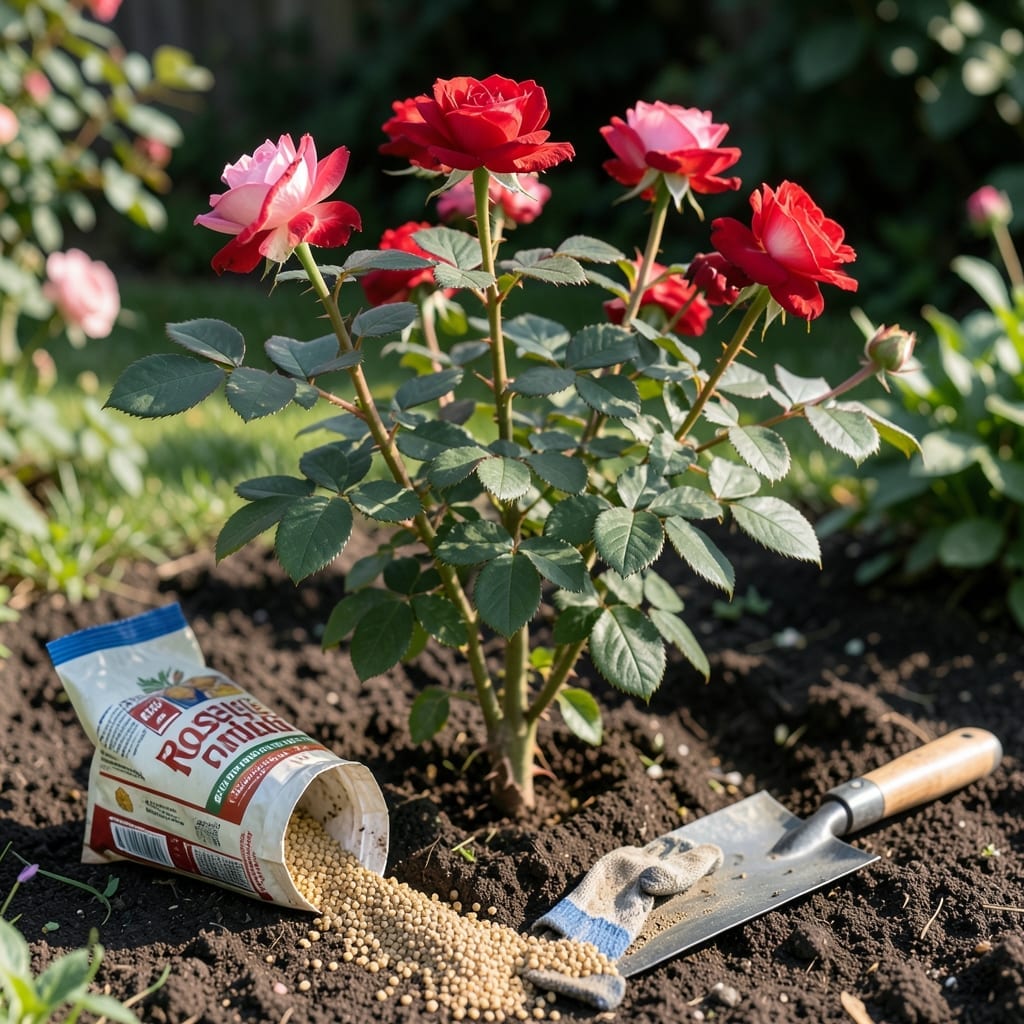
Roses demand the right nutrients at the right time to produce those lush, vibrant blooms we all love. Too much or too little can ruin your 🌹 Rose plants just when they need it most.
I’ve learned through trial and error that timing is everything when it comes to fertilization. The difference between thriving and struggling plants often comes down to this simple but critical factor.
The good news? Once you understand the seasonal rhythm, maintaining a perfect fertilization schedule becomes almost effortless. Let me show you exactly how to get it right.
Getting your fertilization timing right is the secret to vibrant roses. I’ve found that following the natural growth cycles works best. In spring, start feeding as soon as you see new growth appearing.
This is when your rose bushes are waking up and need a nutrient boost. A balanced 10-10-10 fertilizer every 4-6 weeks keeps them thriving through the growing season.
| Season | Frequency | Action |
| Spring | Every 4-6 weeks | Start feeding at first new growth |
| Summer | Every 4-6 weeks | Light feeding, reduce in heat |
| Fall | Every 6 weeks | Last feeding 6 weeks before frost |
| Winter | None | Roses are dormant |
In summer, I switch to a lighter feeding schedule to avoid stressing the plants during extreme heat. If temperatures soar above 90°F, it’s wise to pause fertilization until it cools down.
Your roses will thank you by producing more blooms without the risk of root burn. Always water deeply after applying fertilizer to help distribute the nutrients evenly.
As fall approaches, I give my roses one final feeding about 6 weeks before the first frost. This helps them build strength for winter without encouraging new growth that could be damaged by cold.
Winter is a no-feed zone. Roses are dormant, and fertilizing now can do more harm than good. Instead, focus on mulching and protecting the roots from freezing temperatures.
If you’re in a warmer climate, you might need to adjust slightly. In zones 8-10, roses may need an extra light feeding in late winter to support early blooming.
For container-grown roses, I fertilize a bit more often—every 3-4 weeks—because potted plants deplete nutrients faster. Just be sure to flush the soil occasionally to prevent salt buildup.
Remember, less is often more. Over-fertilizing can lead to weak stems and fewer blooms. Stick to the schedule, and your roses will reward you with a season of stunning color 🌹
Choosing the right rose fertilizer can make all the difference in your blooms. I prefer starting with organic options like compost or well-rotted manure, which improve soil health while providing gentle, steady nutrition.
For a more targeted approach, balanced synthetic fertilizers like 10-10-10 work well during the growing season. These deliver immediate nutrients but require careful application to avoid root burn.
| Fertilizer Type | Best For | Application Method |
|---|---|---|
| Organic (Compost, Manure) | Soil health, slow release | Mix into soil at base |
| Granular Synthetic | Quick nutrient boost | Sprinkle, then water in |
| Liquid Fertilizer | Fast absorption, foliar feed | Spray on leaves or soil drench |
| Slow-Release Pellets | Low-maintenance feeding | Scatter around base, water |
I always apply fertilizer in the early morning when the soil is damp. This helps prevent leaf scorch and ensures the nutrients soak into the root zone where they’re needed most.
For liquid fertilizers, I dilute them to half strength for roses in containers, as potted plants are more sensitive to over-fertilization. A foliar spray can also give your roses a quick boost, especially if they look a bit lackluster.
Granular fertilizers are my go-to for in-ground roses. I sprinkle them around the drip line of the plant and lightly scratch them into the soil before watering deeply. This method helps prevent runoff and ensures even distribution.
No matter which type you choose, always water thoroughly after applying. This activates the nutrients and prevents potential salt buildup that could harm your roses. With the right approach, you’ll see bigger, brighter blooms all season long 🌹