
Beautiful Plants For Your Interior
Beautiful Plants For Your Interior
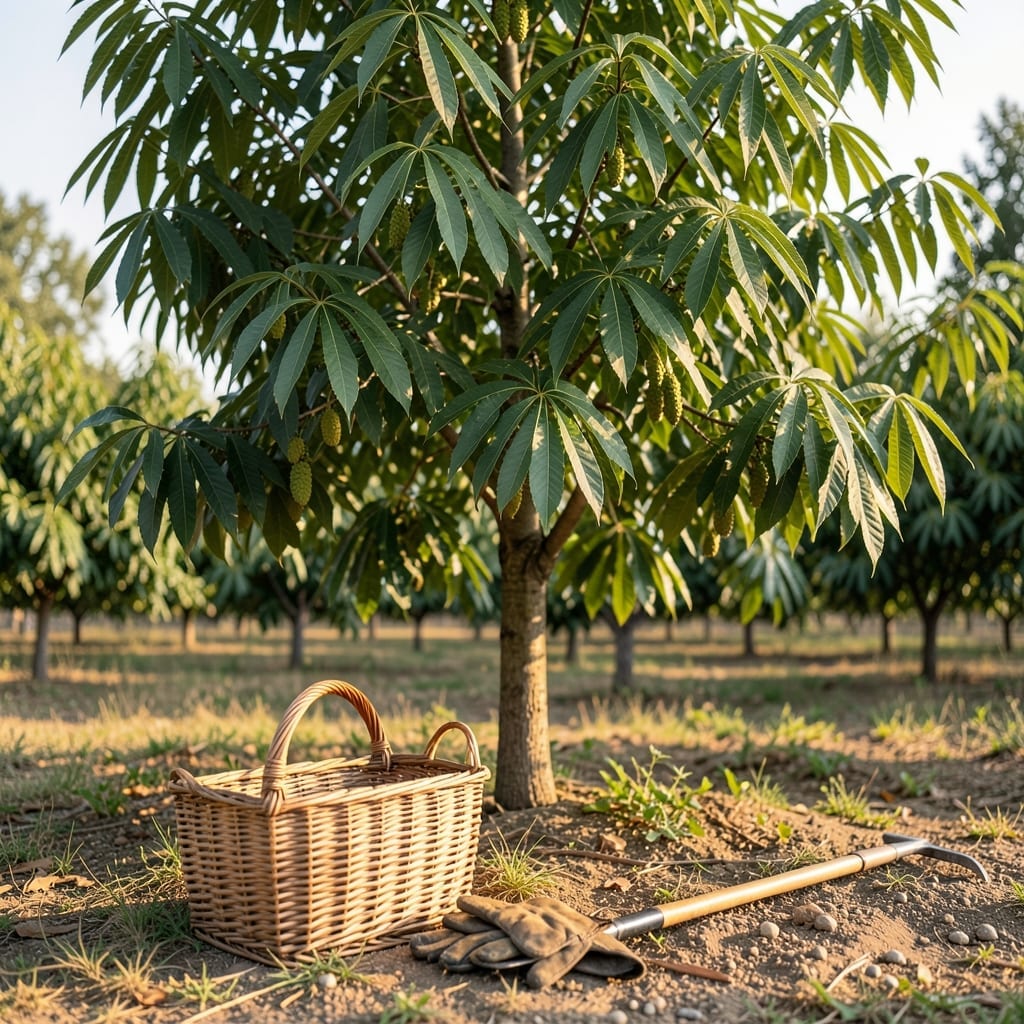
Pecan trees are a rewarding addition to any landscape, but their nut production follows a unique pattern that surprises many growers. Understanding their natural cycle helps set realistic expectations for harvests.
The 🌰 Pecan Tree doesn’t produce nuts every year like clockwork. I’ve learned that these majestic trees have their own rhythm, influenced by age, variety, and growing conditions.
Let me walk you through what affects this cycle and how to encourage more consistent harvests. The insights might just change how you approach growing these tall, productive trees.
One of the most fascinating aspects of pecan trees is their alternate bearing habit. Unlike annual crops, these trees often produce heavy nut yields one year followed by a lighter crop the next. This cycle is completely natural and affects most nut-bearing trees.
I’ve observed that mature pecan trees typically follow this pattern, though the exact frequency can vary. Younger trees under 10-15 years may produce nuts more sporadically as they establish their growth patterns.
| Stage | Age | Production |
|---|---|---|
| Young Tree | 3-5 years | Sparse to none |
| Early Maturity | 6-10 years | Light, irregular |
| Full Maturity | 10-15+ years | Alternate bearing |
| Peak Production | 15-50+ years | Heavy every 2-3 years |
The alternate bearing cycle occurs because the tree uses enormous energy to produce nuts. After a heavy crop year, the tree needs time to replenish its resources before producing another large harvest.
This doesn’t mean you’ll get zero nuts in off years. Even in lighter years, a healthy mature pecan tree will still produce some nuts, just not as abundantly. The exact ratio varies by tree variety and growing conditions.
I’ve found that proper care can help reduce the severity of alternate bearing. While you can’t eliminate it completely, consistent watering, balanced fertilization, and good pruning practices help maintain more steady production.
The best pecan varieties for more consistent production include ‘Wichita’, ‘Cheyenne’, and ‘Western’. These tend to have less dramatic swings between heavy and light crop years.
Remember that environmental factors also play a role. A late frost can wipe out a year’s crop, while ideal growing conditions with full sun and proper drainage encourage better production.
For gardeners in USDA zones 6-9, pecan trees typically follow this pattern most reliably. In cooler climates, the cycle might be less predictable as the trees struggle with shorter growing seasons.
If you’re planting pecan trees for nut production, I recommend planting multiple trees of different varieties. This helps ensure at least one tree produces well each year, giving you a more consistent annual harvest.
Patience is key with pecan trees. The reward of homegrown pecans is worth the wait and the natural ups and downs of their production cycle 🌳
Several critical factors determine how often your pecan trees will produce nuts. While the alternate bearing cycle is natural, environmental and care conditions can significantly impact both frequency and yield volume.
I’ve noticed that climate plays a huge role, especially in USDA zones 6-9, where pecan trees thrive best. Late frosts, drought, or excessive rain can disrupt the nut development process and reduce production.
Young trees under 10 years may produce fewer nuts as they focus on root and canopy development. Even mature trees can have off years if stressed by drought or nutrient deficiencies.
I recommend testing your soil annually. Pecan trees need nitrogen, phosphorus, and potassium in balance, plus micronutrients like zinc, which is often deficient in many soils.
Water stress is another major factor. These trees have deep root systems but still need consistent moisture, especially during nut fill in late summer. A drip irrigation system works wonders.
Finally, variety selection matters. Some cultivars like ‘Stuart’ or ‘Desirable’ are more consistent producers than others. Planting multiple varieties can also improve pollination and yield stability.
With the right care, you can minimize the alternate bearing effect and enjoy more reliable harvests from your pecan trees 🌳