
Beautiful Plants For Your Interior
Beautiful Plants For Your Interior
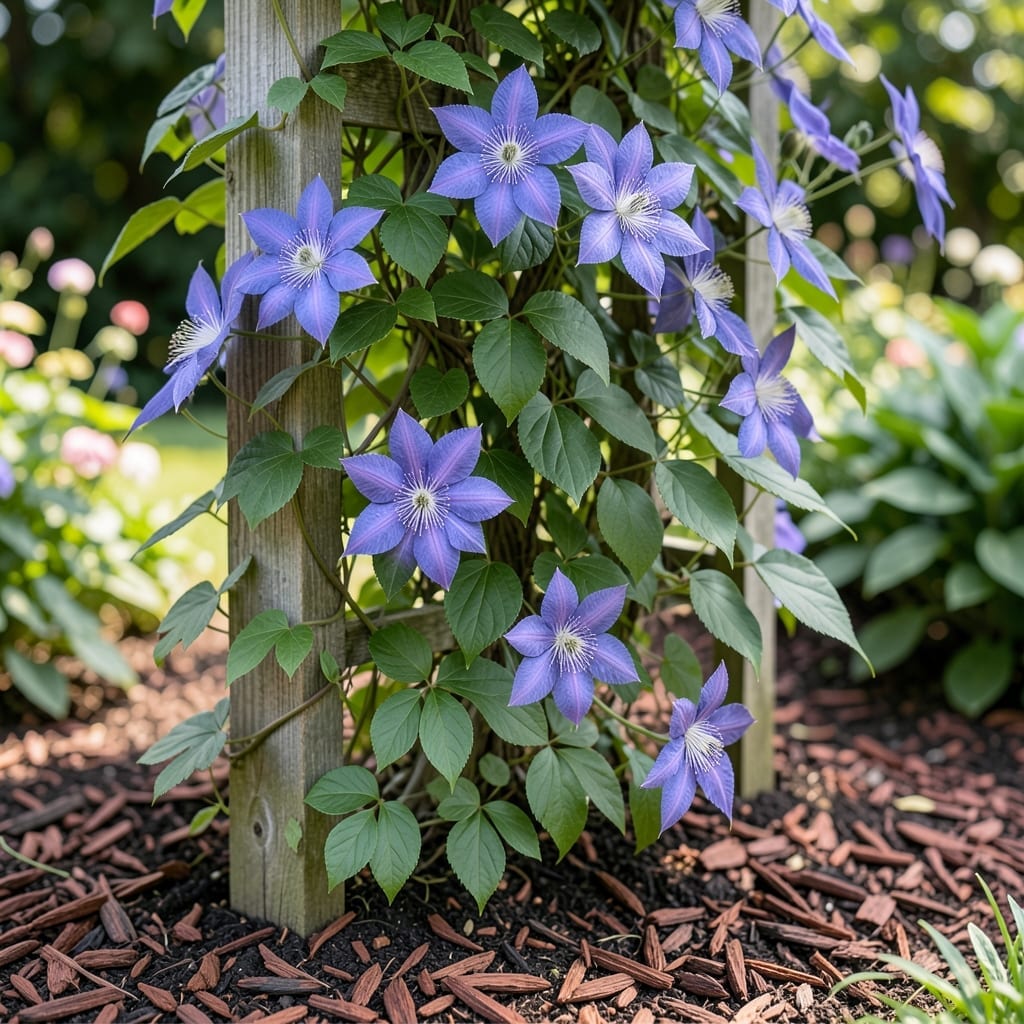
There’s something magical about watching 🌸 Clematis burst into bloom, transforming bare walls and fences into cascades of color. But not all clematis follow the same schedule, which can leave gardeners wondering when to expect those gorgeous flowers.
Some varieties put on a spectacular show twice a year, while others bloom just once. The timing depends heavily on the specific type you’ve planted and how you care for it.
I’ve learned that understanding these patterns makes all the difference in planning your garden’s color calendar. The good news is that with the right knowledge, you can enjoy clematis blooms from early spring through fall.
Discover how to identify your clematis group and what that means for its flowering frequency. It’s the key to maximizing your vine’s blooming potential.
If you’ve ever wondered how often clematis bloom, the answer depends on their pruning group. These groups determine not just when they flower, but also how many times per season they’ll grace your garden with color.
I’ve found that understanding these groups is the key to predicting bloom cycles and planning your garden’s color calendar. Each group has its own unique flowering pattern that responds differently to pruning.
| Pruning Group | Bloom Time | Bloom Frequency |
|---|---|---|
| Group 1 | Early spring | Once per year |
| Group 2 | Late spring, summer | Twice per year |
| Group 3 | Summer to fall | Once per year |
Group 1 clematis are the earliest bloomers, typically flowering in early to mid-spring on the previous year’s wood. Varieties like Clematis montana and C. alpina put on a spectacular show once and then rest for the year.
Group 2 offers the most exciting bloom cycle, with flowers appearing in late spring or early summer on old wood, followed by a second flush in late summer on new growth. This gives you two distinct blooming periods each growing season.
My personal favorite for continuous color is Group 2, as it provides that coveted second bloom when many other plants are taking a break. Varieties like ‘Nelly Moser’ and ‘Henryi’ are excellent choices for this extended display.
Group 3 clematis flower only on new wood, which means they bloom later in the season, typically from midsummer to fall. While they only bloom once, the flower production is often prolific and long-lasting, with varieties like ‘Jackmanii’ producing an abundance of blooms.
The timing of pruning dramatically affects bloom frequency. For Group 1, prune immediately after flowering to avoid cutting off next year’s buds. Group 2 benefits from light pruning after the first bloom to encourage the second flush.
For Group 3, I recommend a hard pruning in late winter or early spring, cutting back to about 12-18 inches from the ground. This encourages vigorous new growth that will produce an abundance of flowers.
Remember that local climate and growing conditions can shift these schedules slightly. In warmer zones, you might see blooms 2-3 weeks earlier than in cooler areas. Consistent watering and proper fertilization also help maintain regular blooming cycles.
By selecting a mix of all three groups, you can enjoy clematis blooms from early spring through fall, creating a continuous display of vertical color in your garden 🌿
I love how clematis vines can transform a garden with their vibrant blooms, but getting them to flower longer takes a little strategy. The key is understanding their natural cycles and giving them the right care.
For longer blooming seasons, start by selecting early, mid, and late-flowering varieties to create a staggered display. This ensures continuous color from spring to fall.
I’ve found that Group 3 clematis respond especially well to hard pruning in late winter, which stimulates new stems and more flowers. Just be sure to remove dead wood first.
Another trick is deadheading spent blooms on repeat-flowering varieties. This prevents seed formation and redirects energy into new flower production. It’s a simple step with big rewards.
Don’t overlook soil health. Clematis thrive in well-draining, nutrient-rich soil. I mix in plenty of compost at planting and top-dress annually for best results.
Finally, consider climbing supports that allow for good air circulation. This reduces disease risk and helps your clematis vine focus on producing those gorgeous blooms we all love. ☀️