
Beautiful Plants For Your Interior
Beautiful Plants For Your Interior
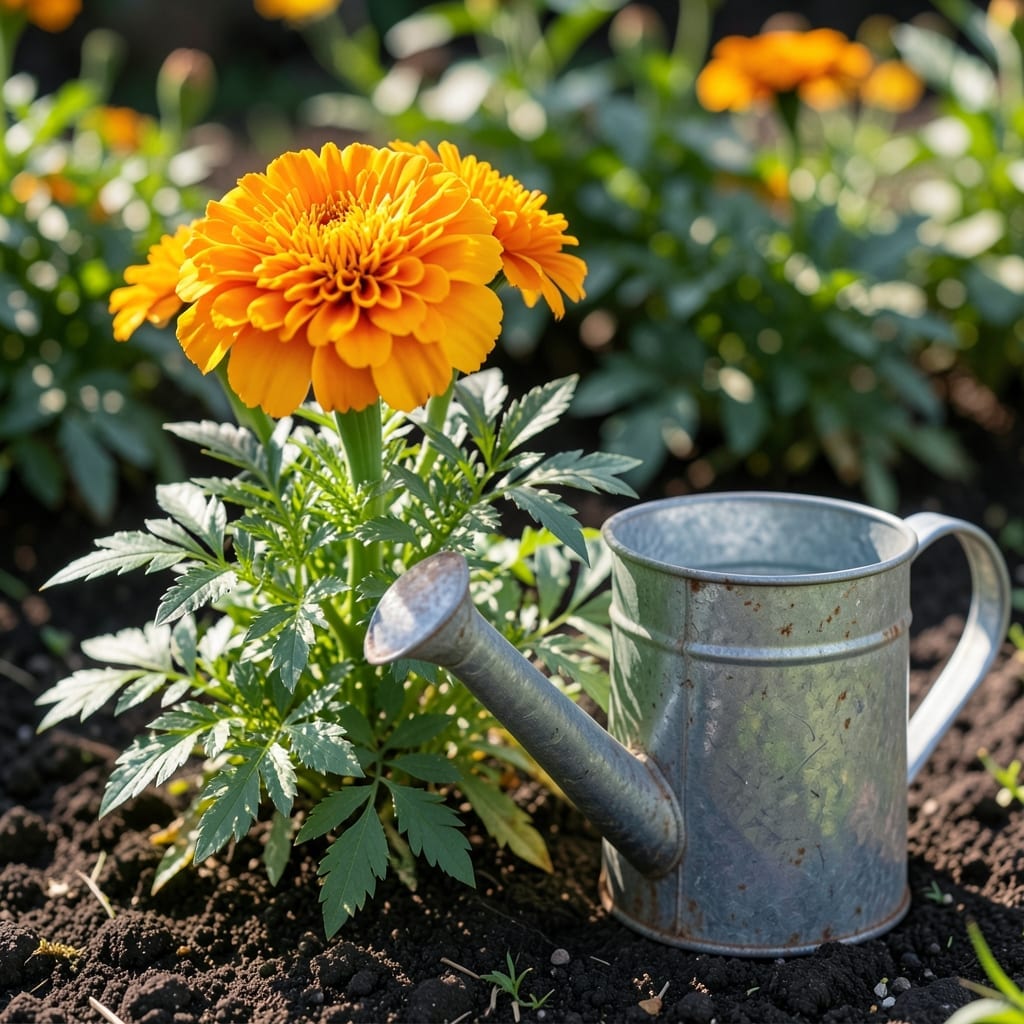
There’s nothing more frustrating than watching your 🌼 Marigolds wilt when you thought you were doing everything right. Watering seems simple, but get it wrong and those vibrant blooms will suffer.
I learned the hard way that these cheerful flowers need a careful balance – too much or too little water can spell trouble. The good news? Once you understand their needs, it’s easy to keep them thriving.
Whether you’re a new gardener or just want healthier Marigolds this season, the right watering routine makes all the difference. Let’s break down exactly what your plants crave.
From seedlings to full-grown flowers, I’ll show you how to adjust your approach for the best results. Your garden will thank you.


I’ve found that marigolds aren’t too picky, but their water needs change as they grow. Getting this right means brighter blooms and healthier plants all season long.
For seedlings, the soil should stay consistently moist but never soggy. I water mine daily in small amounts to encourage strong root development.
| Growth Stage | Water Frequency | Water Amount | Soil Condition |
|---|---|---|---|
| Seedlings | Daily | 1/4 cup | Moist, not soggy |
| Mature Plants | Every 2-3 days | 1 cup | Slightly dry between waterings |
| Flowering | Every 2 days | 1-1.5 cups | Evenly moist |
Once mature, I switch to watering every 2-3 days. The key is letting the top inch of soil dry out between waterings to prevent root rot.
During flowering, I increase water slightly to 1-1.5 cups every 2 days. This supports bigger blooms and longer-lasting flowers.
In hot climates, I check the soil daily. If it’s bone dry an inch down, I water immediately. Containers dry out faster, so they often need daily water in summer.
For garden beds, I water deeply but less often. This encourages deep root growth, making plants more drought-resistant over time.
I always water in the early morning to reduce evaporation and prevent fungal diseases. Evening watering can leave foliage damp overnight, which isn’t ideal.
Well-draining soil is a must. I mix in compost or perlite to improve drainage if my soil is heavy. This helps prevent waterlogging while retaining enough moisture.
Remember, overwatering is worse than underwatering for marigolds. If the leaves turn yellow or the stems get mushy, I cut back on water immediately.
With the right balance, your marigolds will reward you with vibrant colors and abundant blooms all season long 🌼
I’ve found that marigolds are pretty forgiving, but they do show clear signs when their water needs aren’t met. Drooping leaves in the afternoon often mean they’re thirsty, while yellowing foliage can signal overwatering.
Another red flag is wilting blooms—this usually means they need a drink. On the flip side, mushy stems or blackened leaves suggest too much water is drowning their roots.
If your marigolds look sad in the heat, a quick finger test helps. Stick your finger into the soil—if it’s dry an inch down, it’s time to water. In hot climates, they may need water daily.
For overwatered marigolds, stop watering immediately and let the soil dry out. If the pot lacks drainage holes, consider repotting to prevent root rot.
I always recommend morning watering to give plants time to absorb moisture before the heat of the day. This also reduces the risk of fungal diseases that thrive in damp, evening conditions.
Finally, remember that container-grown marigolds dry out faster than those in garden beds. Check them daily in summer and adjust your schedule as needed. A little attention goes a long way! 🌼