
Beautiful Plants For Your Interior
Beautiful Plants For Your Interior
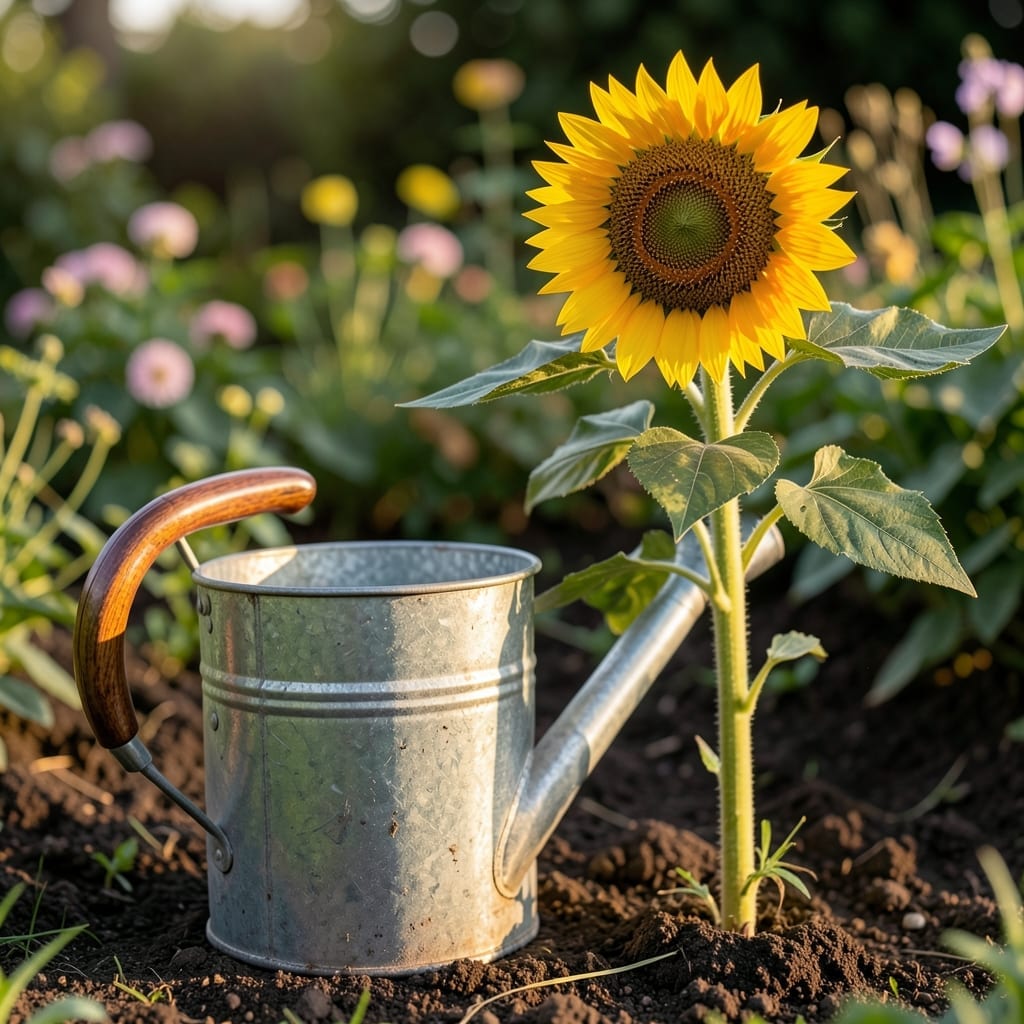
Sunflowers can transform any garden with their towering beauty, but their watering needs often puzzle even experienced gardeners. I’ve seen too many 🌻 Sunflower plants wilt from neglect or drown from overcare.
Getting the balance right is the key to vibrant blooms that last all season. Whether you’re growing them in zone 6 or elsewhere, the approach is simpler than you think.
Let me walk you through the easier way to keep your sunflowers thriving without the guesswork. You’ll discover exactly what these cheerful giants crave.


I’ve found that sunflowers have different water needs at each stage of growth. Getting this right ensures strong stems and vibrant blooms. New gardeners often overlook how much their approach should adapt as the plant matures.
From germination to full maturity, the amount and frequency change significantly. Let me break down what I’ve learned works best for each phase of their development.
| Growth Stage | Water Amount | Frequency | Soil Tip |
|---|---|---|---|
| Germination | Keep moist | Daily | Avoid soggy soil |
| Seedling | 1 inch per week | Every 2-3 days | Check top inch |
| Young Plant | 1-2 inches weekly | 2x per week | Mulch to retain |
| Flowering | 2 inches weekly | Every 3-4 days | Deep watering |
| Maturity | 1-2 inches weekly | Weekly | Drought tolerant |
During germination, I keep the soil consistently moist but not waterlogged. This is when the seeds are most vulnerable to rot if overwatered.
Once seedlings emerge, I reduce to about 1 inch of water per week. At this stage, they need moisture but can handle slightly drier conditions between waterings.
As the plants grow taller, I increase to 1-2 inches weekly. This encourages deep root growth, which is crucial for their stability as they reach for the sky.
When flowering begins, I bump it up to 2 inches per week. The extra water supports the heavy blooms and prevents wilting in the summer heat.
At maturity, sunflowers become quite drought-tolerant. I scale back to 1-2 inches weekly, letting nature do more of the work.
I always water in the early morning to reduce evaporation and prevent fungal issues. This timing gives the plants what they need before the day’s heat kicks in.
Remember, these are general guidelines. Your local climate and soil type may require adjustments. I always check the soil moisture before watering.
With this approach, I’ve seen my sunflowers grow taller and stronger with brighter blooms that last longer. It’s amazing how much difference the right watering schedule makes 🌻
Even experienced gardeners make mistakes with sunflower watering. I’ve seen too many beautiful plants suffer from well-intentioned but misguided care. The key is understanding what these giants truly need at each stage.
From over-saturating soil to inconsistent schedules, small errors can lead to big problems. Let me share the most common pitfalls I’ve learned to avoid through trial and error.
Over-saturating soil: Leads to root rot and fungal diseases. Always check moisture before watering.
Shallow watering: Encourages weak root systems. Aim for deep, infrequent watering instead.
Ignoring drainage: Sunflowers hate wet feet. Ensure your soil or containers drain well.
Inconsistent schedules: Causes stress. Establish a regular routine based on your climate.
Neglecting weather: Adjust watering during heatwaves or rainy periods to prevent over/under-watering.
I learned the hard way that overwatering is just as harmful as underwatering. Too much water can drown the roots and create the perfect environment for disease.
Shallow watering is another common mistake. It encourages roots to stay near the surface, making plants less stable and more vulnerable to drought. I always aim for deep watering to promote strong root growth.
Many gardeners forget about drainage. Sunflowers need well-draining soil to thrive. If you’re growing in containers, make sure there are drainage holes at the bottom.
I’ve also seen the damage from inconsistent watering. Plants get stressed when they can’t predict their water supply. I recommend setting a regular schedule and sticking to it, adjusting only for weather changes.
Finally, always consider your local climate. In hot, dry areas, you might need to water more frequently. In humid regions, you can often get away with less. It’s all about observing your plants and responding to their needs 🌻