
Beautiful Plants For Your Interior
Beautiful Plants For Your Interior
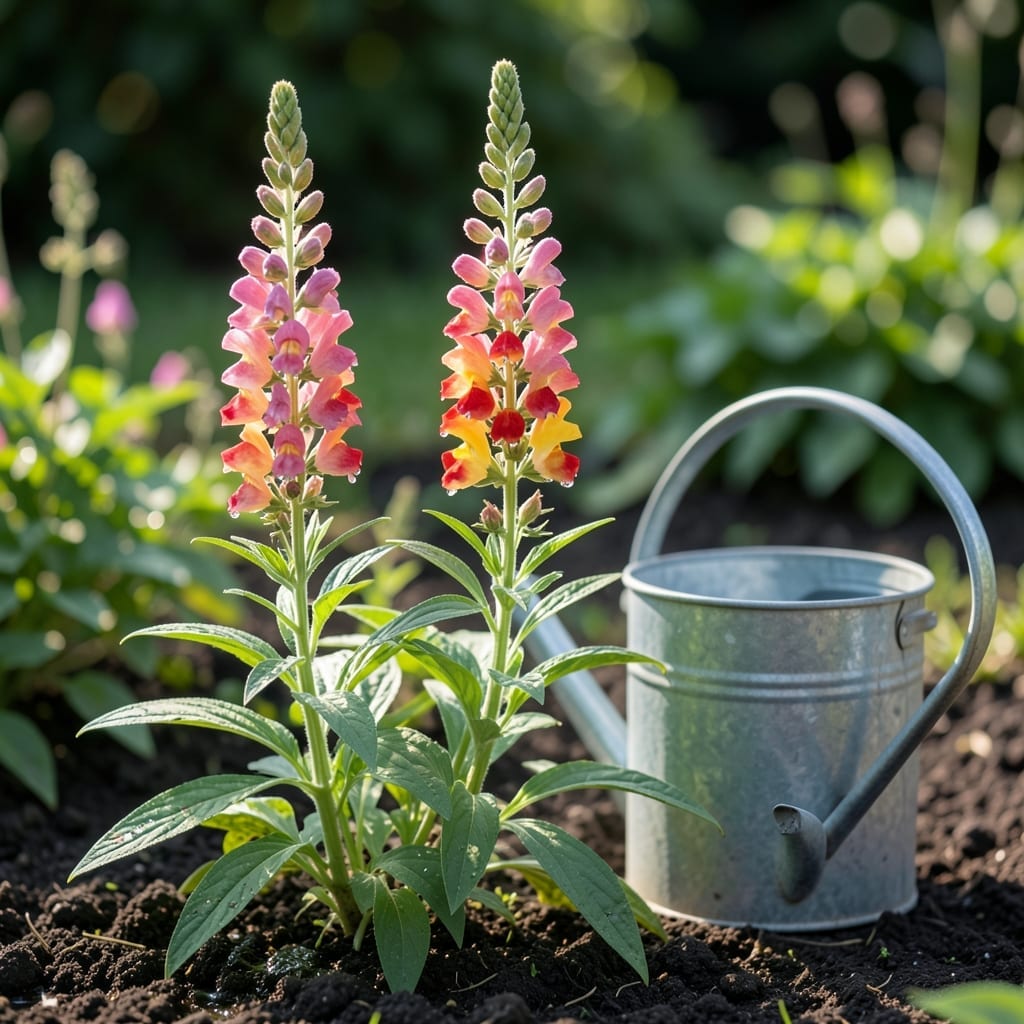
Snapdragons bring vibrant color and height to any garden, but their watering needs can make or break their blooming success. Get it wrong, and you’ll face wilted stems or root rot instead of lush, flower-filled spikes.
The 🌸 Snapdragon thrives with consistent moisture, yet many gardeners struggle to find the right balance. I’ve seen firsthand how proper watering transforms these plants from struggling to spectacular.
Discover the simple weekly routine that keeps your Snapdragons healthy and blooming all season long. Let’s get started.
Getting the watering schedule right is key for vibrant Snapdragon blooms. These plants prefer consistent moisture without soggy soil, which can lead to root issues. I’ve found that balance is everything.
Aim for 1 to 1.5 inches of water per week, split into 1-2 watering sessions. This keeps the soil evenly moist but not waterlogged, which is critical for healthy growth.
| Requirement | Specification |
|---|---|
| Frequency | Weekly or 2x/week in heat |
| Amount per week | 1-1.5 inches of water |
| Best time | Early morning (before 10 AM) |
| Soil moisture | Moist but well-draining |
In hotter climates or during summer months, you may need to water twice weekly. The soil should dry slightly between waterings but never completely.
For potted Snapdragons, check the soil daily. Containers dry out faster, so they often need water every 5-7 days. Use your finger to test the top inch of soil.
Well-draining soil is non-negotiable. Snapdragons hate sitting in water, so ensure your soil mix includes perlite or compost to improve drainage and aeration.
If you’re in USDA zones 5-10, adjust your watering based on rainfall. 1 inch of rain per week often covers their needs, but supplement during dry spells.
Newly planted Snapdragons need more attention. Water them daily for the first week, then taper off as they establish roots. This helps prevent transplant shock.
Mulching around the base of your plants retains moisture and reduces evaporation. A 2-inch layer of organic mulch works wonders in keeping the soil consistently moist.
Remember, overwatering is just as harmful as underwatering. If the leaves turn yellow or the stems feel mushy, you’re likely giving them too much water.
Your Snapdragons will tell you when they’re thirsty or drowning. I watch for drooping leaves and dry soil as clear signs they need more water. These are classic underwatering symptoms that demand quick action.
On the flip side, yellowing leaves or mushy stems scream overwatering. I’ve learned that root rot sets in fast when soil stays soggy, so adjust your routine immediately.
For underwatered Snapdragons, give them a deep soak immediately. The soil should be moist 6 inches down. I use my finger to test—if it’s dry at the 2-inch mark, it’s time to water.
If you spot overwatering signs, stop watering and let the soil dry. Improve drainage by adding perlite or sand to the soil. I’ve saved many plants by simply holding off water for a few days.
Remember, morning watering helps prevent fungal issues. I always water at the base of the plant, never the leaves, to keep them healthy and disease-free.
Consistency is your best friend with Snapdragons. I check mine every 2-3 days in hot weather and adjust based on what I see. This simple habit keeps my garden thriving all season long 🌿