
Beautiful Plants For Your Interior
Beautiful Plants For Your Interior
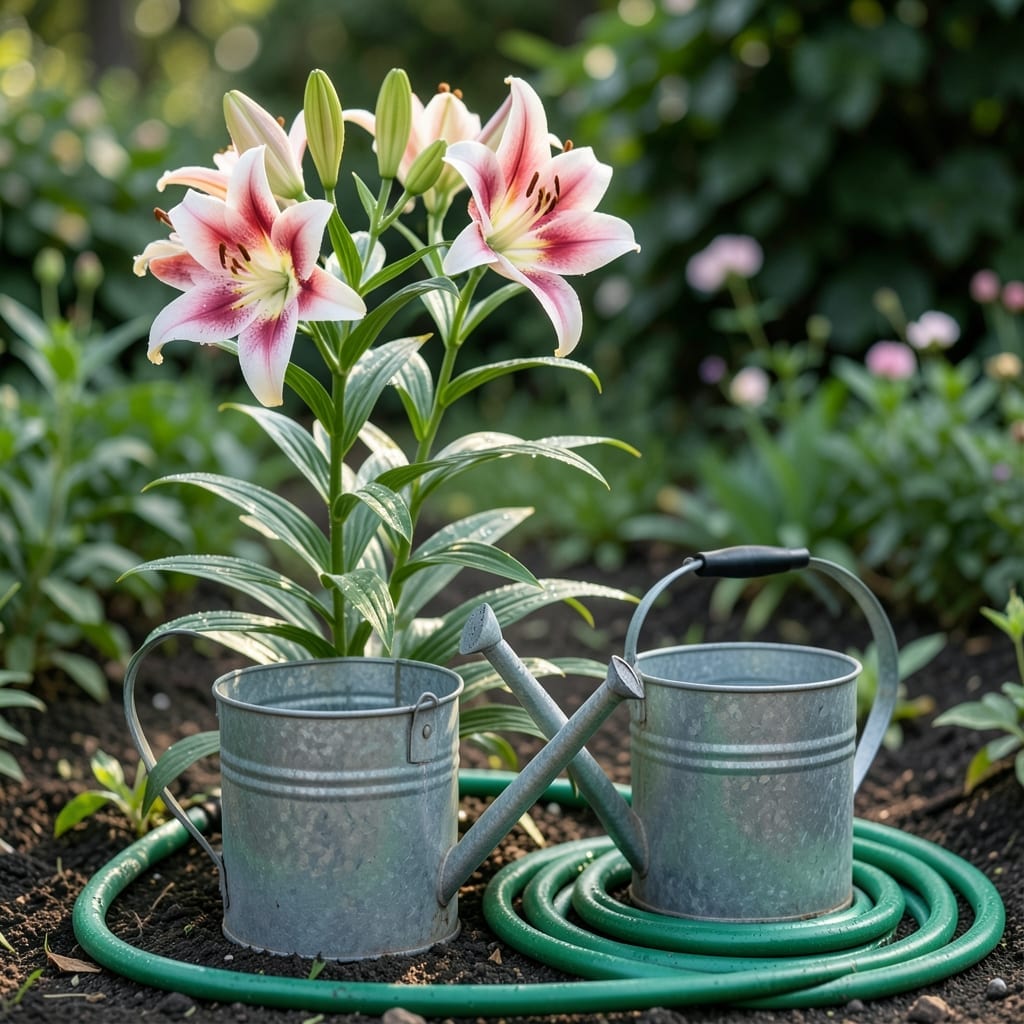
Proper watering is the key to vibrant, long-lasting 🌷 Lily blooms—but get it wrong, and you risk rotting roots or wilting petals.
Discover the exact watering needs for Lilies based on season, soil, and growth stage. Whether you’re a beginner or seasoned gardener, these insights will help your plants thrive.
Learn how to balance moisture for healthy growth without the guesswork. Let me show you the simple, effective approach that works.
Getting the watering schedule right for your lilies ensures vibrant blooms and healthy growth. I’ve found that seasonal changes dramatically impact their needs.
In spring, as new shoots emerge, consistent moisture is key. Aim for 1 inch of water weekly, including rainfall.
| Season | Watering Frequency | Notes |
|---|---|---|
| Spring | Weekly | Keep soil moist but not soggy |
| Summer | 2x per week | Increase for drought periods |
| Fall | Weekly | Reduce as growth slows |
| Winter | Bi-weekly | Only if no rainfall occurs |
Summer heat demands more frequent watering—twice weekly is ideal. I always check the soil moisture 2 inches down before watering.
For Oriental lilies, which prefer slightly moister conditions, I increase watering by 20% during dry spells. Trumpet lilies are more drought-tolerant.
In fall, as lilies prepare for dormancy, I reduce watering to weekly. This helps prevent bulb rot while keeping roots hydrated.
Winter watering is minimal—only if the soil is bone-dry. Overwatering in cold months can kill the bulbs.
I always water early in the morning to allow foliage to dry, reducing fungal disease risk. This small habit makes a big difference.
For potted lilies, I check daily in summer. Containers dry out faster than garden soil, so they often need extra attention.
Mulching with 2-3 inches of organic matter helps retain moisture. I use straw or shredded bark for best results.
Remember, well-draining soil is non-negotiable. Lilies hate “wet feet”, so amend heavy clay with compost.
Spotting watering issues early can save your lilies from stress or disease. I always look for visual cues in the leaves and stems first.
The most common overwatering signs include yellowing leaves and mushy stems. If the soil smells sour or musty, root rot may already be setting in.
Underwatered lilies often have drooping stems and brown leaf tips. The soil will feel dry and cracked when you check.
For Oriental lilies, underwatering can cause bud blast, where flowers fail to open. I’ve seen this happen when rainfall is scarce for weeks.
If you notice mold or mildew on leaves, it’s a clear sign of excess moisture. I reduce watering immediately and improve air circulation around the plants.
When correcting underwatering, I soak the soil deeply rather than giving light, frequent waterings. This encourages deep root growth.
Remember, consistency is key. Lilies thrive when their moisture needs are met without extremes. 🌷