
Beautiful Plants For Your Interior
Beautiful Plants For Your Interior
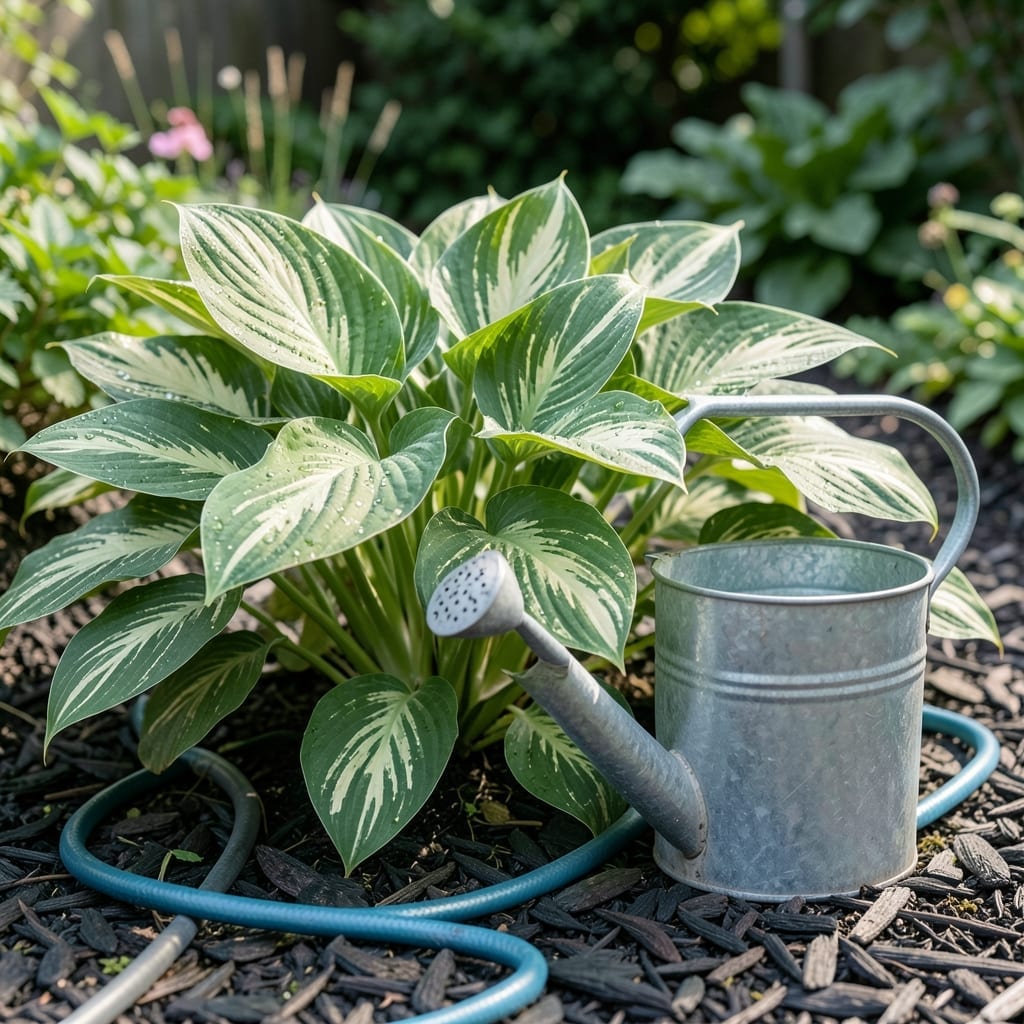
I’ve seen too many gardeners struggle with their 🌿 Hostas, not realizing that water is the make-or-break factor. Too much or too little can turn those lush leaves into a sad, wilted mess.
Getting it right means understanding that these shade-lovers need consistent moisture without drowning. It’s a delicate balance that changes with the seasons.
Let me walk you through the exact approach to keep your Hostas thriving, from spring’s first growth to winter’s dormancy.
I’ve learned that Hostas need consistent moisture but can’t stand soggy roots. The key is adjusting your watering schedule as the seasons change to match their growth patterns.
In spring, as new shoots emerge, I aim for 1 inch of water weekly. This encourages strong foliage development without overwhelming the tender growth.
| Season | Watering Frequency | Amount |
|---|---|---|
| Spring | Weekly | 1-1.5 inches |
| Summer | 2-3x per week | 1.5-2 inches |
| Fall | Weekly | 1 inch |
| Winter | Bi-weekly | 0.5-1 inch |
During summer heatwaves, I increase to 2-3 waterings per week, especially if the soil dries out quickly. Hostas in full sun may need even more frequent attention.
As fall arrives, I scale back to weekly watering again. The cooling temperatures and reduced evaporation mean the soil stays moist longer.
In winter, I water sparingly—just every 2 weeks or when the soil feels dry. Dormant Hostas need very little, but don’t let them dry out completely.
I always check the top inch of soil before watering. If it’s dry, it’s time to hydrate. If it’s damp, I wait another day or two.
Clay soil holds moisture longer, so I water less often. Sandy soil drains quickly, so I water more frequently but with smaller amounts.
For container-grown Hostas, I check daily in summer. Pots dry out faster than garden beds, so I often water every 5-7 days in hot weather.
I prefer morning watering to allow foliage to dry before evening, reducing the risk of fungal diseases. A soaker hose works best to deliver water directly to the roots.
Consistency is key with Hostas. Once you find the right rhythm for your climate and soil, you’ll be rewarded with lush, vibrant foliage all season long 🌿
I’ve seen many gardeners confuse Hostas’ watering needs, leading to either soggy roots or crispy leaves. The key is recognizing the early warning signs before damage becomes severe.
With overwatering, leaves turn yellow and feel mushy, while the soil stays waterlogged. Roots may develop rot, and a foul odor often appears.
For underwatered Hostas, leaves become brown and crispy, especially at the edges. The soil will feel dry several inches down, and growth slows noticeably.
I always check the soil first. Stick your finger 2 inches deep—if dry, it’s time to water. If damp, wait another day or two.
If you spot yellow leaves, reduce watering and ensure good drainage. For brown, crispy leaves, increase water but avoid sudden saturation.
Remember, morning watering helps prevent fungal issues. Use a moisture meter if you’re unsure—it’s a game-changer for precision.
With practice, you’ll recognize your Hostas’ unique watering rhythm. They’ll reward you with vibrant, healthy foliage all season long 🌿