
Beautiful Plants For Your Interior
Beautiful Plants For Your Interior
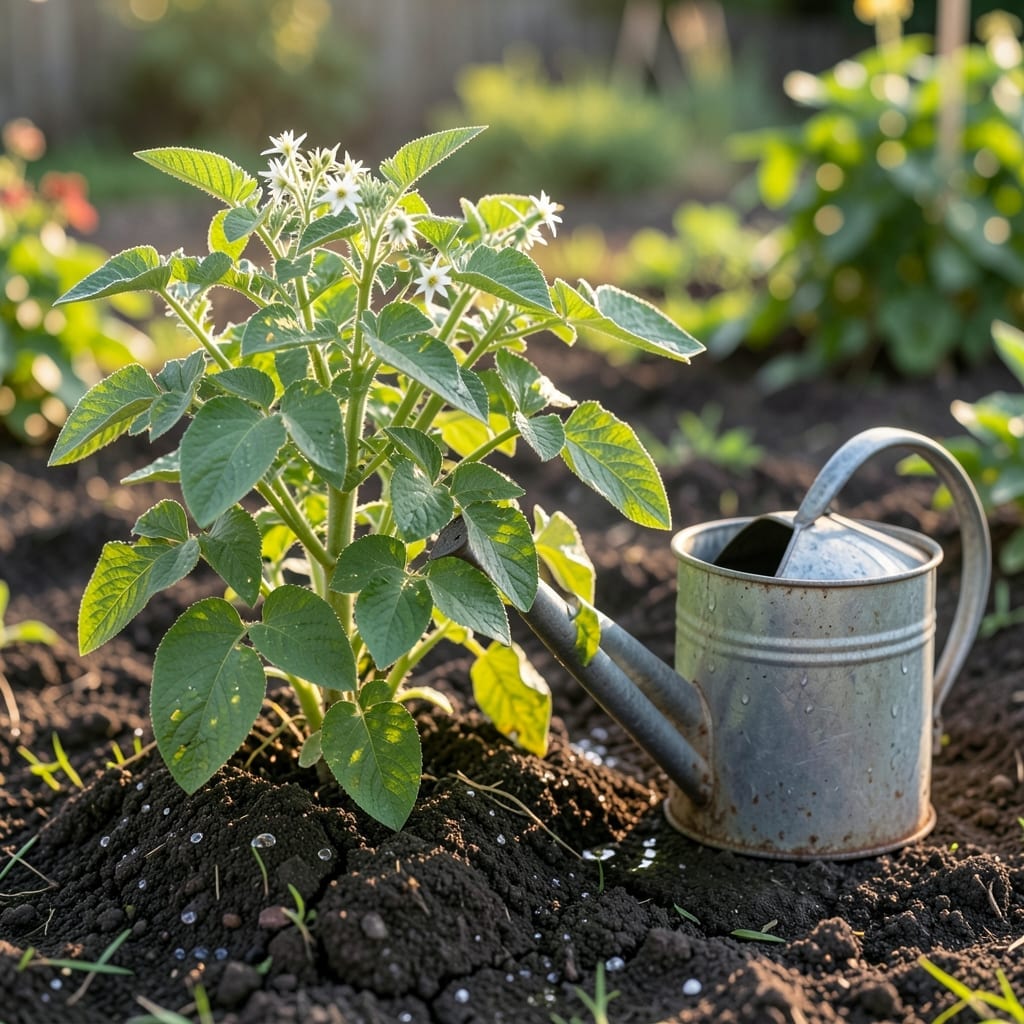
Overwatering or underwatering your 🥔 Potato plants can make or break your harvest. It’s a delicate balance that determines whether you’ll dig up plump, healthy tubers or end up with a disappointing yield.
I’ve seen firsthand how the right watering schedule transforms struggling plants into thriving ones. The key lies in understanding their changing needs through each growth stage.
Discover the simple but crucial adjustments that will keep your Potatoes perfectly hydrated from planting to harvest. Let’s get this right together.
Getting the watering schedule right for potatoes means understanding their changing needs as they grow. From planting to harvest, these tubers demand different moisture levels to thrive.
I always start with consistent moisture at planting, then adjust as the plants develop. The key is watching the soil and foliage for clues.
| Stage | Water Frequency | Amount |
|---|---|---|
| Planting | Every 5-7 days | 1 inch per week |
| Sprouting | Every 4-5 days | 1-1.5 inches per week |
| Flowering | Every 3-4 days | 1.5-2 inches per week |
| Tuber Formation | Every 5-7 days | 1-1.5 inches per week |
At planting time, keep the soil evenly moist but not soggy. Too much water can cause seed potatoes to rot before they sprout.
Once sprouts appear, increase water slightly. The plants are building leafy growth now, so they need more moisture to support that energy.
I notice the biggest water demand during flowering. This is when tubers begin forming, and consistent moisture prevents scabby or misshapen potatoes.
As the plants mature and foliage starts yellowing, begin tapering off water. This helps the tubers cure and prepares them for harvest.
Always water in the early morning to allow foliage to dry. This reduces the risk of fungal diseases like blight.
Drip irrigation works best for potatoes, delivering water directly to the root zone without wetting the leaves.
Remember, sandy soil drains faster and may need more frequent watering, while clay soil holds moisture longer. Adjust your schedule based on your soil type.
By following these stage-specific guidelines, you’ll give your potatoes exactly what they need for maximum yield and healthy growth 🌱
Your potato plants will often tell you when they’re thirsty or drowning. Learning to read these signs helps prevent common issues like rot or stunted growth.
I check my plants daily for these visual cues, especially during hot weather or after heavy rains. Early detection means easier fixes.
When leaves wilt during the day but recover by night, your plants likely need more frequent watering. This is common in sandy soils.
If the soil stays soggy for days after watering, you’re probably overdoing it. Potatoes hate waterlogged roots, which can lead to rot.
Cracking soil is a clear sign of drought stress. I use my finger to test soil moisture at a 2-inch depth.
Remember, morning wilting is more serious than afternoon wilting. The latter can be normal in hot weather, while the former usually means immediate watering is needed.
By staying alert to these signs, you’ll maintain the perfect moisture balance for thriving potato plants 🌱