
Beautiful Plants For Your Interior
Beautiful Plants For Your Interior
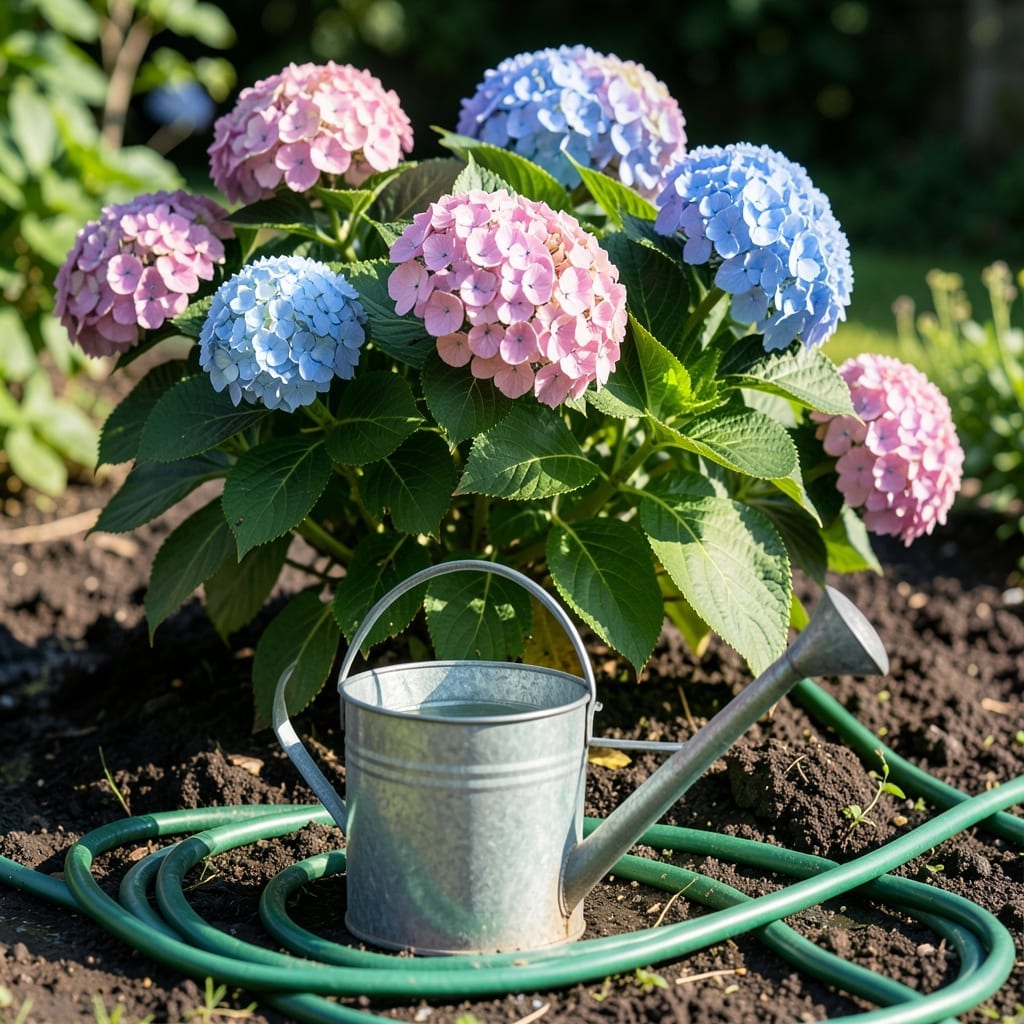
I know that sinking feeling when your 🌸 Hydrangea leaves start to droop. Too much water can drown them, while too little leaves them gasping for air.
Getting the balance right is the key to those lush, vibrant blooms you dream about. It’s simpler than you might think once you know what to look for.
Let me show you how to hit that sweet spot and keep your Hydrangeas thriving all season long.


I’ve found that hydrangeas need consistent moisture but hate soggy roots. The sweet spot is 1-2 inches of water per week for most varieties. This keeps the soil evenly moist without waterlogging.
In my experience, climate and soil type change everything. Sandy soils drain fast, while clay holds water longer. Adjust your watering to match your garden’s conditions.
| Condition | Watering Frequency | Amount |
|---|---|---|
| Hot Climate | 3x weekly | 1.5 inches |
| Moderate Climate | 2x weekly | 1 inch |
| Cool Climate | Weekly | 1 inch |
| Sandy Soil | More frequent | 1-1.5 inches |
I always check the top inch of soil before watering. If it’s dry, it’s time to water. This simple test prevents both overwatering and underwatering issues.
For newly planted hydrangeas, I water every 2-3 days for the first month. This helps establish roots. After that, I gradually reduce to the standard weekly schedule.
Morning watering is my go-to. It gives plants time to absorb moisture before the heat of the day. Evening watering can promote fungal diseases, so I avoid it.
In summer heatwaves, I increase watering to every other day. The key is watching your plants – drooping leaves in the afternoon often signal thirst.
I’ve learned that mulching makes a huge difference. A 2-3 inch layer of organic mulch retains moisture and keeps roots cool. Just be sure to keep it away from the stem.
For container-grown hydrangeas, I water daily in summer. Pots dry out much faster than garden soil, so they need more frequent attention.
Remember, less is more with hydrangeas. It’s better to water deeply and less often than to give frequent shallow waterings. This encourages deep root growth.
🌸
I’ve seen many gardeners struggle with hydrangea water stress. The plant gives clear signals when it’s getting too much or too little water. Watching for these signs helps me adjust care before damage occurs.
Yellowing leaves often indicate overwatering, while crispy brown edges suggest underwatering. Both conditions can stunt growth and reduce blooming if not addressed quickly.
| Issue | Symptoms | Solution |
|---|---|---|
| Overwatering | Yellow leaves, mushy stems | Reduce water, improve drainage |
| Underwatering | Drooping, crispy leaves | Deep water immediately |
| Root Rot | Black stems, foul odor | Stop watering, check roots |
| Heat Stress | Wilting in afternoon | Mulch, water early |
I check my hydrangeas daily during heat waves. Afternoon wilting often means they need water, but I wait to see if they perk up by evening before acting.
Root rot is a serious overwatering sign. If I notice black, soft stems or a foul smell, I stop watering immediately and inspect the roots for damage.
For underwatered plants, I give a deep soak at the base. Avoid wetting the leaves to prevent fungal issues. The soil should be moist 6 inches down after watering.
I find that morning observations are most reliable. Dew on leaves can mask underwatering signs, so I wait until mid-morning to assess my hydrangeas’ needs.
🌸