
Beautiful Plants For Your Interior
Beautiful Plants For Your Interior
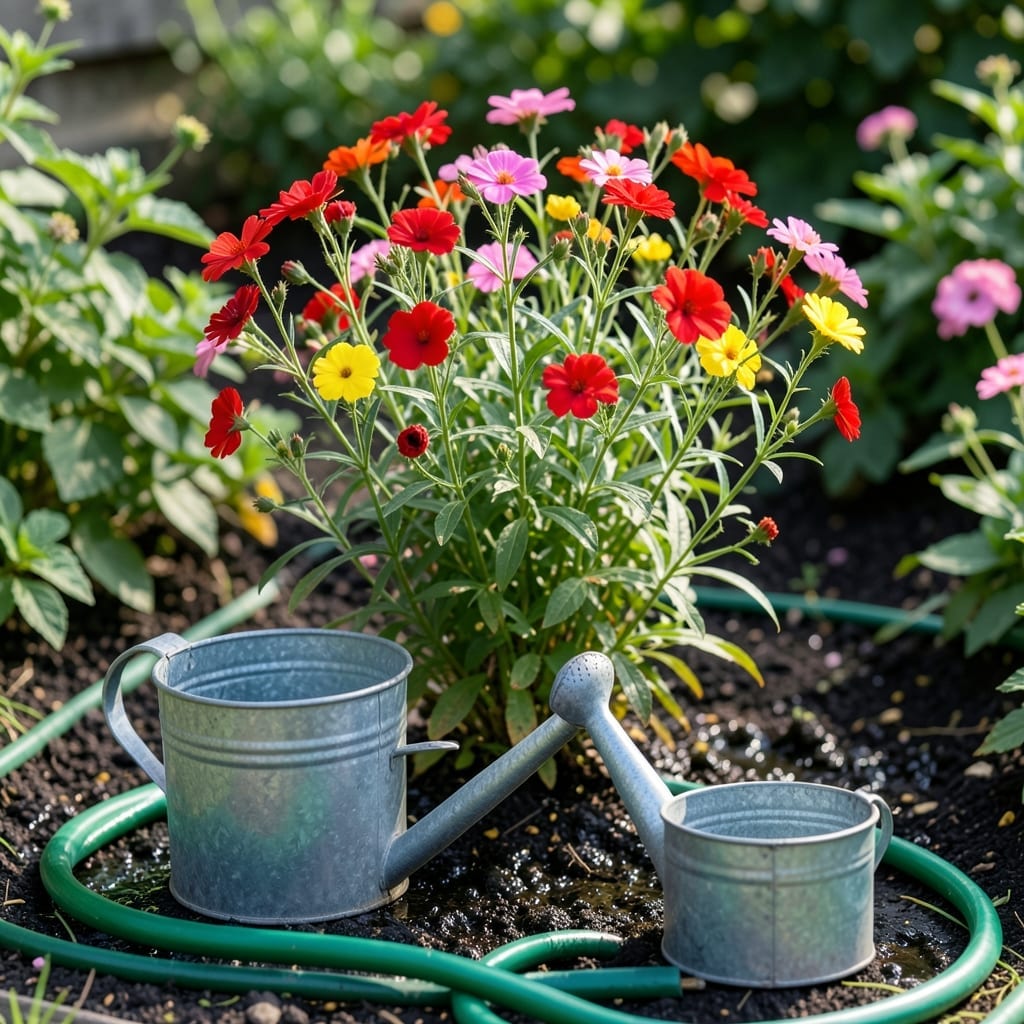
Overwatering or underwatering can make or break your flower garden. I’ve seen beautiful 🌸 blooms wilt from too much love, and others struggle from neglect.
Finding that perfect balance isn’t complicated once you know the signs. Whether you’re growing in zone 6 or just starting out, consistency is the key.
Discover how to adjust your routine for thriving flowers—no guesswork, just healthy, vibrant plants all season long.
Getting your watering schedule right is crucial for vibrant blooms. I’ve learned that flowers have different needs as the seasons change, and timing matters just as much as quantity.
In spring, your garden wakes up thirsty. But by summer, heat can dry out soil faster than you think. Let’s break it down by season to keep your flower beds thriving.
| Season | Frequency | Amount | Best Time |
| Spring | Weekly | 1-2 inches | Morning |
| Summer | 2x Week | 1-2 inches | Early Morning |
| Fall | Weekly | 1 inch | Morning |
| Winter | Bi-weekly | 1 inch | Midday |
The spring season demands consistent moisture to support new growth. I always check the top inch of soil—if it’s dry, it’s time to water. This helps roots establish without drowning them.
When summer heat arrives, I switch to watering twice a week. The key is deep watering to encourage roots to grow downward, making plants more drought-resistant over time.
In fall, I ease up slightly. Cooler temps mean less evaporation, so weekly watering usually suffices. But don’t let your guard down—dry spells can still sneak up on you.
Winter is the easiest season for watering. I cut back to every two weeks, but I always check the forecast. A warm spell might require an extra drink for your plants.
For potted flowers, the rules change. They dry out faster, so I water them every 5-7 days in summer. Always ensure your containers have drainage to prevent root rot.
If you’re growing in raised beds, remember they drain faster than in-ground gardens. I’ve found that adding a layer of mulch helps retain moisture and keeps roots happy.
No matter the season, morning watering is my go-to. It gives plants time to absorb moisture before the heat of the day and reduces the risk of fungal diseases.
With these seasonal adjustments, your flowers will stay lush and colorful all year round 🌸
Spotting watering problems early can save your flower garden from stress. I’ve seen too many gardeners struggle because they missed the warning signs hiding in plain sight.
Your plants will tell you what they need if you know what to look for. Yellowing leaves and wilting stems can mean very different things depending on your watering habits.
| Sign | Overwatering | Underwatering |
| Leaves | Yellow, soft | Crisp, dry |
| Soil | Soggy, smells bad | Dry, cracked |
| Stems | Mushy, weak | Brittle, thin |
| Growth | Stunted, mold | Slow, wilting |
With overwatering, I notice soggy soil that never seems to dry. The leaves turn yellow and mushy, and sometimes you’ll even spot mold growth at the base. This is your plant’s way of saying it’s drowning.
Underwatering shows up differently. The soil pulls away from the edges of the pot, and leaves feel crispy to the touch. I’ve found that deep watering once or twice can often revive a thirsty plant.
Check the soil moisture with your finger. If it’s bone dry an inch down, it’s time to water. But if it’s squishy and cold, hold off for a few days. This simple test prevents most watering mistakes.
Remember, consistency is key. I water my flowers at the same time each day, usually in the early morning. This helps me spot changes in their condition quickly and adjust my routine as needed 🌸