
Beautiful Plants For Your Interior
Beautiful Plants For Your Interior
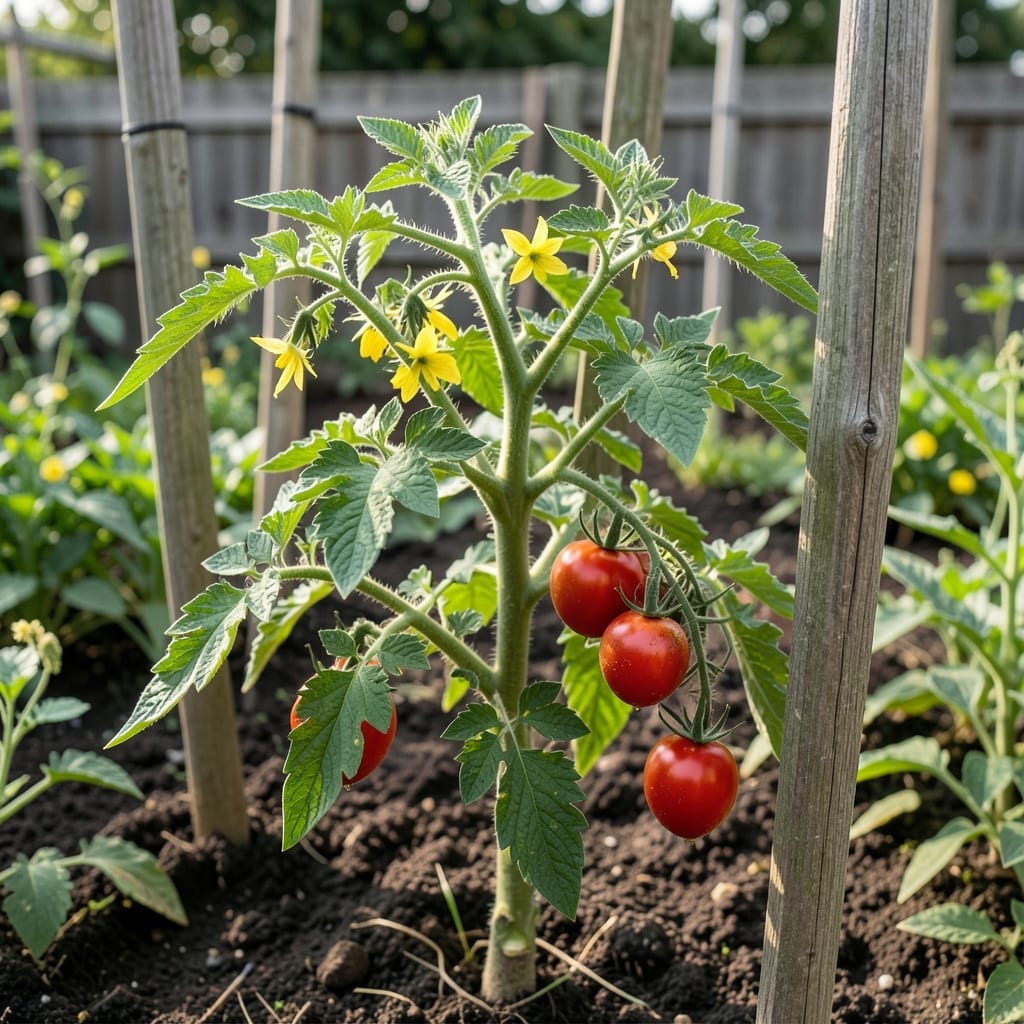
Tomato plants thrive on sunlight, but getting the balance right is key to a bountiful harvest. Whether you’re growing heirlooms or cherry 🍅, understanding their daily light needs can make or break your garden.
I’ve seen firsthand how too little light leads to leggy, weak plants, while just the right amount produces vibrant, fruit-laden vines. The difference is striking and completely within your control.
Let me walk you through exactly what your tomatoes need to flourish, from seedling to harvest. You’ll discover how to give them the perfect sun exposure for maximum yield.

If you want healthy tomato plants, sunlight is non-negotiable. Most varieties need 6-8 hours of direct sun daily, but this can vary by type and growth stage. I’ve learned the hard way that even an hour short can stunt growth.
Different tomato varieties have slightly different needs. Determinate types often thrive with 6 hours, while indeterminate vines may demand 8+ hours for maximum yield.
| Variety | Daily Sunlight | Growth Stage Impact |
|---|---|---|
| Determinate | 6-7 hours | Fruits all at once |
| Indeterminate | 8+ hours | Continuous production |
| Cherry | 6-8 hours | High yield in clusters |
| Heirloom | 8+ hours | Larger, flavorful fruit |
Seedlings need 12-16 hours of light if started indoors. Without enough, they’ll grow leggy and weak. I always use grow lights for early starts to ensure strong stems.
Once transplanted, young plants should get at least 6 hours to establish roots. As they mature, flowering and fruiting stages demand more. I’ve noticed full sun leads to more abundant blooms.
Cherry tomatoes are more forgiving and can produce with 6 hours, but beefsteaks often need 8+ hours for those massive, juicy fruits. My garden journal shows a clear difference in size and quantity.
In hot climates, afternoon shade can prevent sunscald. I use shade cloth during peak heat to protect leaves while still meeting light needs. It’s a simple trick that saves my plants from stress.
Container tomatoes can be moved to follow the sun. I rotate my pots weekly to ensure even exposure. Even in small spaces, this can maximize light absorption.
If your garden has partial shade, choose shade-tolerant varieties like ‘Stupice’ or ‘Siberian’. They’ll produce with 4-6 hours, though yields will be smaller. I’ve had success with these in my north-facing beds.
Remember, light quality matters as much as quantity. Morning sun is gentler, while afternoon sun is more intense. A mix of both gives tomatoes the balanced energy they need for optimal growth and flavor development.
In my experience, tracking sunlight patterns in your garden helps. I use a sunlight calculator app to measure exact hours. It’s a game-changer for planning where to plant each variety.
If your tomato plants look weak or struggle to produce, sunlight deficiency might be the culprit. I’ve seen leggy stems and pale leaves signal they’re starving for light. These signs are often overlooked but critical for diagnosis.
One of the first things I check is stem length. Tall, spindly stems with sparse leaves usually mean the plant is stretching toward insufficient light. My own cherry tomatoes once grew 3 feet tall with only a few leaves because of poor placement.
Yellowing leaves can be tricky because they also indicate overwatering or nutrient issues. I distinguish sunlight problems by checking if the upper leaves stay green while lower ones fade. This pattern is a classic light deprivation clue.
Poor fruit set is another red flag. If your plants flower but few tomatoes form, they may not be getting enough energy from sunlight. I’ve rescued many plants by simply moving them to a sunnier spot, and the difference in production was immediate.
Don’t confuse these signs with disease symptoms. Sunlight issues affect the entire plant uniformly, while diseases often create spotty patterns. I always compare affected plants to healthy ones in full sun to confirm.
If you notice these symptoms, act quickly. I use a light meter app to measure exact sunlight hours. It helped me realize my north-facing beds only got 4 hours of sun, which explained my stunted plants. A simple adjustment to a sunnier location solved the problem. ☀️