
Beautiful Plants For Your Interior
Beautiful Plants For Your Interior
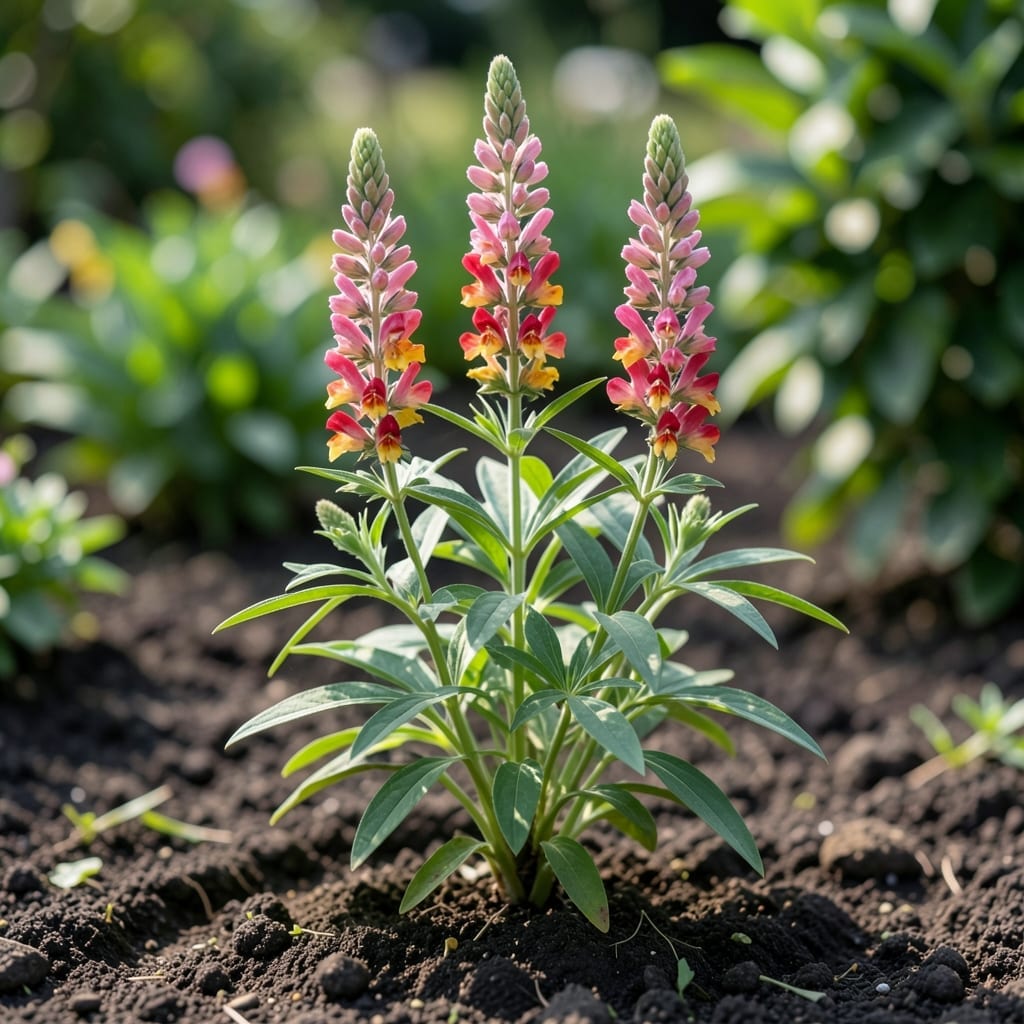
Snapdragons bring vibrant color and height to any garden, but their sunlight needs can make or break your blooms. I’ve seen 🌸 Snapdragons thrive in the right conditions and struggle in the wrong ones.
Getting the light balance right ensures healthy growth and abundant flowers. Whether you’re planting in beds or containers, understanding their requirements is the key to success.
Let me share what I’ve learned about giving these beauties the perfect amount of sun. You’ll discover how to keep them flourishing all season long.

I’ve found that Snapdragons thrive with at least 6 hours of direct sunlight daily. In most climates, these vibrant flowers do best in full sun conditions to produce their iconic blooms.
However, in hotter USDA zones like 9-11, I recommend some afternoon shade to prevent heat stress. Cooler zones (3-5) can handle full sun all day without issues.
| Climate Zone | Sunlight Requirement | Notes |
|---|---|---|
| Zones 3-5 | Full sun | 6-8 hours daily |
| Zones 6-8 | Full sun | Morning sun preferred |
| Zones 9-11 | Partial shade | Afternoon shade needed |
In my experience, morning sunlight is always better than harsh afternoon rays. This is especially true in dry climates where the sun can be intense even in spring.
For container-grown Snapdragons, I suggest placing pots where they’ll get eastern exposure. This gives them gentle morning light and protects them from the hottest part of the day.
During summer heatwaves, even in cooler zones, I’ve seen Snapdragons benefit from temporary shade. A 30% shade cloth can work wonders during extreme temperatures.
In coastal areas with mild summers, full sun is typically fine year-round. The ocean breeze helps moderate temperatures, creating ideal conditions for these flowers.
Remember that soil moisture affects sun tolerance too. Well-watered Snapdragons can handle more sun than those in dry, compacted soil. I always check the soil before adjusting light exposure.
For dwarf varieties, the same rules apply but they’re slightly more tolerant of partial shade. Their compact size makes them great for edge plantings where light might be filtered.
If you’re unsure about your zone’s needs, start with 6 hours of sun and adjust based on your plants’ response. Snapdragons will tell you what they need through their growth patterns and bloom quality.
With the right sunlight balance, you’ll be rewarded with vibrant, long-lasting blooms that brighten your garden all season long.
I’ve learned that Snapdragons show clear signs when their sunlight needs aren’t met. Leggy stems and fewer blooms often mean they’re not getting enough light to thrive.
On the other hand, scorched leaves or wilting in afternoon can signal too much direct sun, especially in hotter climates like zones 9-11.
➡️ Solution: Move to sunnier spot
➡️ Solution: Add afternoon shade
I notice Snapdragons in partial shade often grow taller as they stretch for light. This can make them top-heavy and prone to flopping over in wind or rain.
In my garden, when Snapdragons get too much sun, the flowers may open but often fade quickly. The petals can look washed out, losing their vibrant colors.
For container plants, I check the soil daily. If the top inch is dry by noon, it might mean the pot is getting too much direct sun and needs moving.
I’ve found that morning sun with afternoon shade produces the most consistent results. This mimics their natural growing conditions and prevents most light-related stress.
Remember, adjusting light exposure gradually helps Snapdragons acclimate. Sudden changes can shock the plants, so I make changes over a week or two.
☀️