
Beautiful Plants For Your Interior
Beautiful Plants For Your Interior
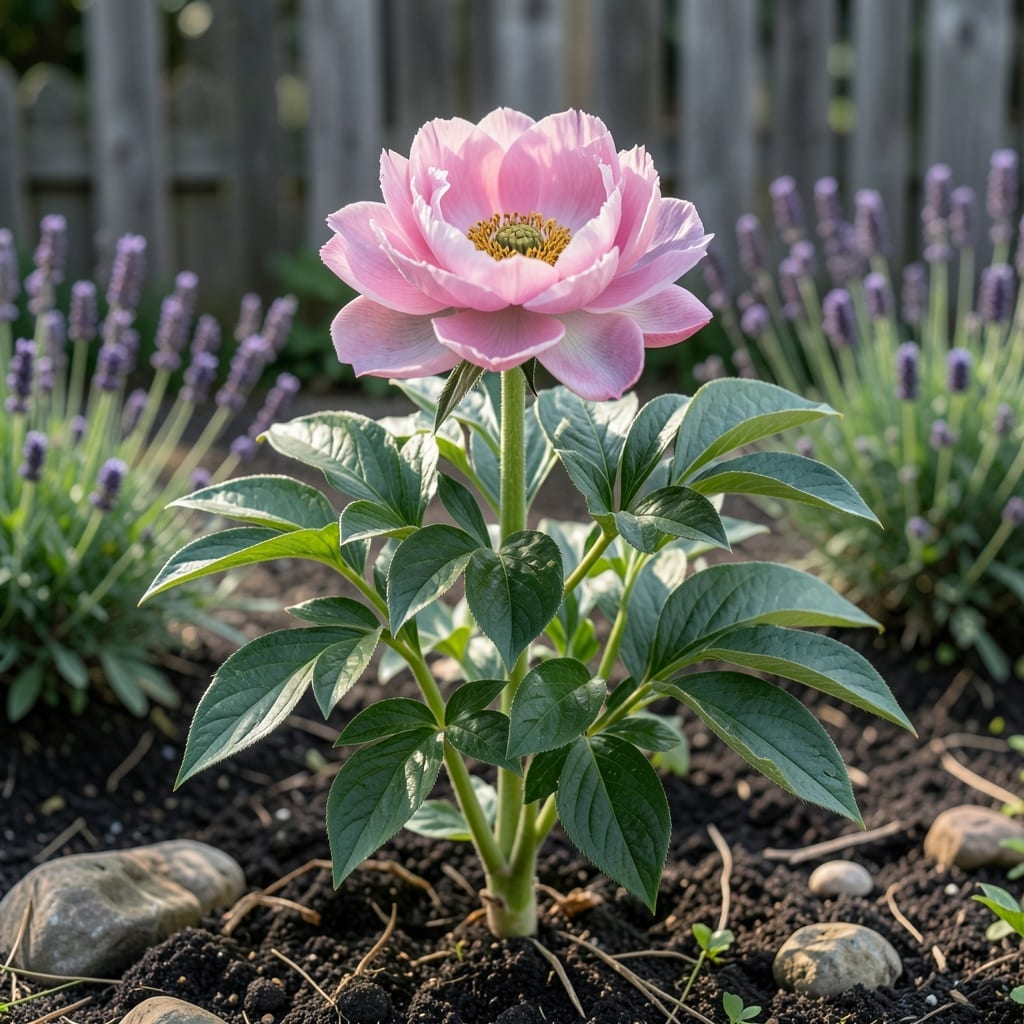
Peonies are beloved for their lush, fragrant blooms, but their sunlight needs can be confusing. Get it wrong, and you might end up with weak stems or fewer flowers on your 🌸 Peony.
I’ve seen gardeners struggle with this exact issue, only to realize a simple adjustment in light exposure made all the difference. The good news? It’s easier than you think to get it right.
Let me walk you through the most important factors for giving your peonies the sunlight they crave. You’ll be rewarded with vibrant, healthy blooms season after season.

Peonies thrive with the right sunlight balance. I’ve found that most varieties need 6-8 hours of direct sun daily for optimal blooms. This ensures strong stems and vibrant, abundant flowers that gardeners love so much.
However, the exact needs can vary. Herbaceous peonies prefer full sun, while tree peonies can tolerate a bit of afternoon shade, especially in hotter climates. Getting this right is key to healthy growth.
| Peony Type | Sunlight Requirement | Notes |
|---|---|---|
| Herbaceous | 6-8 hours | Full sun, well-drained soil |
| Tree Peonies | 4-6 hours | Morning sun, afternoon shade in hot climates |
| Intersectional | 6+ hours | Full sun, protect from harsh afternoon rays |
In my experience, morning sunlight is the most beneficial. It’s less intense and helps dry dew from the leaves, reducing the risk of fungal diseases. This is especially important for peonies, which can be prone to powdery mildew.
If your garden gets intense afternoon sun, consider providing some dappled shade, particularly in USDA zones 7-8. This prevents petal scorch and keeps your plants looking their best throughout the growing season.
Seasonal changes also play a role. In early spring, peonies can handle more sun as temperatures are cooler. But as summer heat intensifies, a bit of shade can prevent stress and maintain bloom quality.
For container-grown peonies, I recommend placing them in a south-facing location where they can get at least 6 hours of sun. Rotate the pot occasionally to ensure even growth and prevent the plant from leaning toward the light.
Remember, too little sun leads to weak stems and fewer blooms, while too much can cause sunburn. Finding that sweet spot will reward you with lush, healthy peonies year after year.
If you’re in a northern climate, maximize sun exposure by planting peonies in the sunniest part of your garden. In southern regions, afternoon shade is often necessary to protect the delicate blooms from wilting.
Finally, observe your peonies throughout the season. If they’re not blooming well or look stressed, it might be time to adjust their sunlight exposure. A little tweaking can make a world of difference.
☀️I’ve noticed that peony plants often show clear signs when their sunlight needs aren’t met. Leggy stems and fewer blooms usually mean they’re not getting enough light. This is a common issue in shady gardens.
Sunburnt petals or wilting flowers in the afternoon can signal too much direct sun, especially in hot climates. This often happens when peonies are exposed to intense, unfiltered sunlight.
In my garden, I’ve found that morning sun with afternoon shade works best in warmer areas. This balance prevents heat stress while still providing enough light for robust growth.
If your peonies are not blooming, check their light exposure first. Moving them to a sunnier spot or adding shade cloth can make a big difference. I’ve seen this simple change transform struggling plants.
For container-grown peonies, adjust their position as the sun moves. A south-facing spot with some afternoon protection often works perfectly. This flexibility is one of the benefits of growing in pots.
Remember, observation is key. Track how your peonies respond to light changes throughout the season. Small adjustments can lead to healthier plants and more spectacular blooms next year. ☀️