
Beautiful Plants For Your Interior
Beautiful Plants For Your Interior
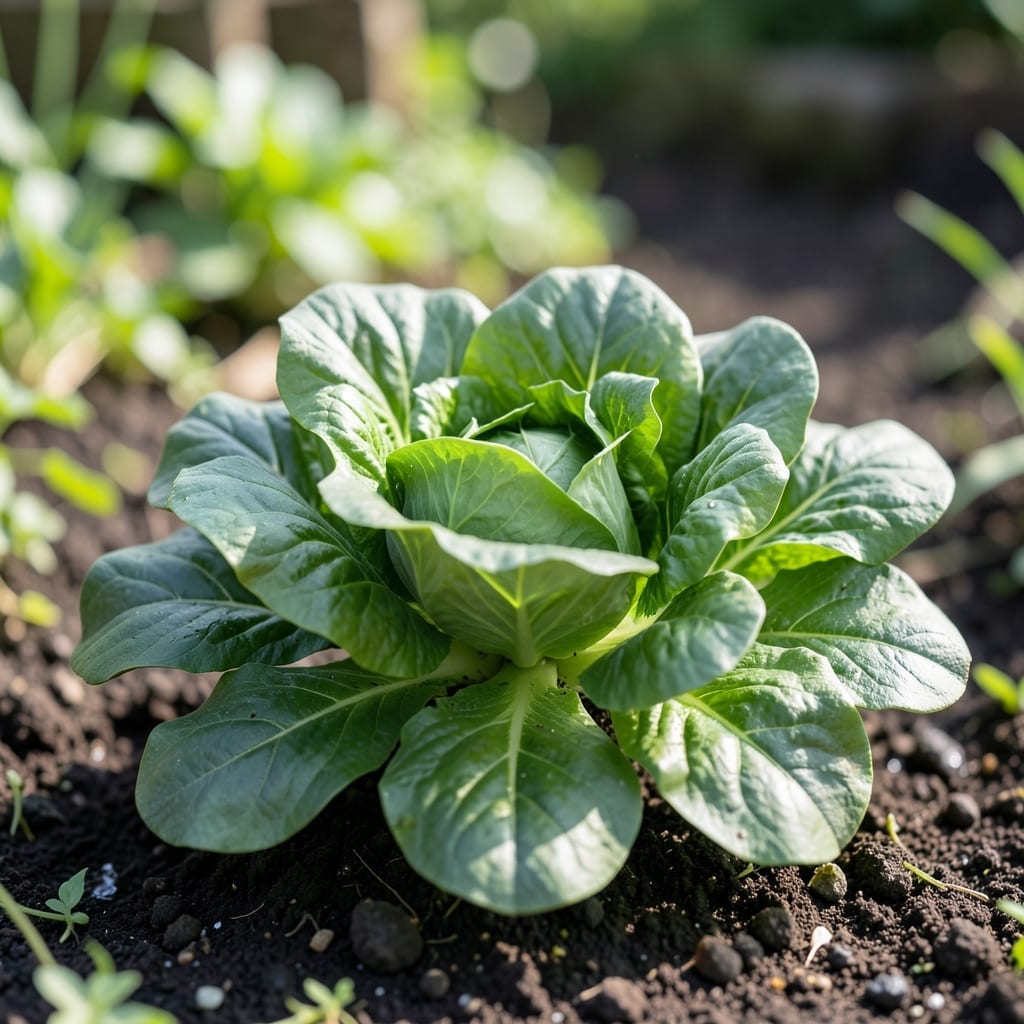
Growing crisp, flavorful 🥬 starts with understanding its sunlight needs. Too much can scorch the leaves, while too little leads to leggy, weak plants.
I’ve seen gardeners struggle with this balance, but getting it right means the difference between a sad salad and a thriving harvest. The perfect sun exposure brings out the best in your Lettuce.
Whether you’re planting in spring or fall, knowing how to adjust light exposure is the key. From partial shade to full sun, each variety has its sweet spot.
Discover how to read your plants’ signals and create ideal conditions. Your green thumb journey starts with this simple but critical knowledge.

Getting the sunlight balance right is key for growing healthy lettuce. Most varieties thrive with 4-6 hours of direct sun daily, but the exact needs vary by type and climate. I’ve found that leaf lettuce is the most adaptable, while crisphead types need more consistent light.
For example, butterhead lettuce prefers partial shade in hotter regions, while romaine can handle a bit more sun. In cooler climates, full sun is ideal for all varieties. Adjusting for seasonal changes ensures your plants stay vibrant and productive.
| Variety | Sun Needs | Climate Notes |
|---|---|---|
| Leaf Lettuce | 4-6 hours | Tolerates partial shade |
| Romaine | 5-6 hours | Prefers cooler temps |
| Butterhead | 4-5 hours | Needs shade in heat |
| Crisphead | 6 hours | Full sun ideal |
In spring and fall, lettuce can often handle more direct sunlight without stress. However, during summer heatwaves, even sun-loving varieties benefit from afternoon shade. I use shade cloth to protect my plants when temperatures rise above 80°F.
For container gardening, place pots where they get morning sun and dappled afternoon light. East-facing balconies or patios are perfect for this. If you’re growing indoors, a south-facing window with supplemental grow lights works well.
Seasonal adjustments are crucial. In early spring, I start seeds in full sun to encourage rapid growth. As summer approaches, I gradually introduce shade to prevent bolting or bitter leaves. This keeps my lettuce tender and sweet.
If you’re in a hot climate, consider planting lettuce in partial shade year-round. Varieties like Oakleaf or Red Sails are more heat-tolerant and can thrive with just 3-4 hours of sun if temperatures are extreme.
Soil moisture and sun exposure go hand in hand. Lettuce in full sun dries out faster, so I check soil moisture daily and water as needed. Mulching helps retain moisture and keeps roots cool, especially in warmer conditions.
For raised beds, orientation matters. I position mine north to south to ensure even sunlight distribution. This setup maximizes light exposure for all plants, reducing the risk of leggy growth on one side.
Finally, remember that young seedlings are more sensitive to sun. I start mine in partial shade and gradually acclimate them to their final light conditions. This prevents transplant shock and ensures a smooth transition.
☀️I’ve learned that lettuce plants are pretty vocal about their sunlight needs if you know what to look for. Yellowing leaves often signal too much direct sun, while leggy stems mean they’re stretching for more light.
Bolting—when lettuce shoots up a flower stalk—is another red flag. This usually happens in hot weather with too much sun. On the flip side, slow growth or small leaves suggest they’re not getting enough light to thrive.
If your lettuce leaves look bleached or crispy, it’s likely getting too much afternoon sun. Try moving pots to a shadier spot or using shade cloth for garden beds.
For leggy lettuce, I’ve had success relocating plants to a sunnier area or thinning nearby plants to reduce competition. Even adjusting container placement by a few feet can make a difference.
Remember that seasonal changes affect sunlight intensity. In summer, even 4-5 hours of direct sun might be too much, while in spring or fall, 6 hours is often ideal.
I always recommend monitoring your plants daily. Small adjustments in sun exposure can prevent most issues before they start ☀️🌱