
Beautiful Plants For Your Interior
Beautiful Plants For Your Interior
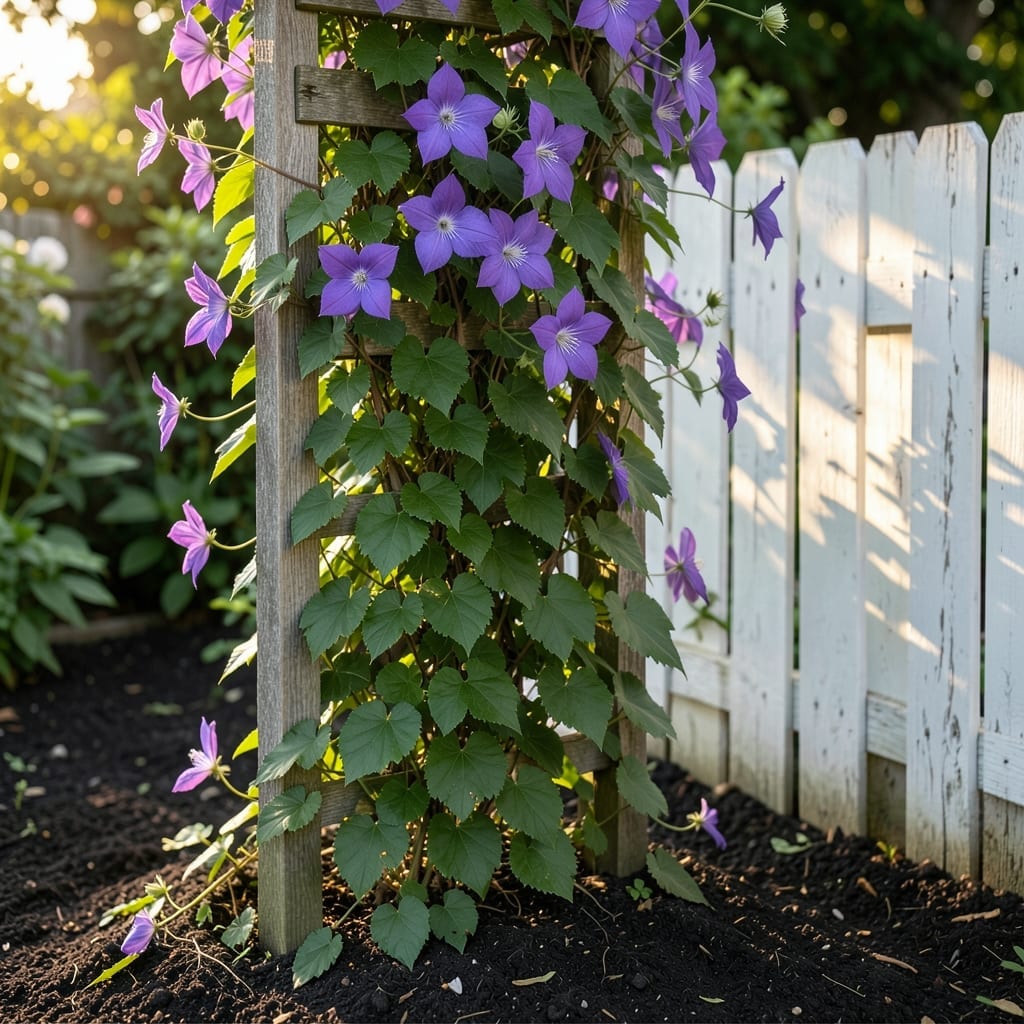
Clematis vines can thrive for decades with the right care, but their sun requirements often confuse even experienced gardeners. Getting the light exposure right is the key to vibrant blooms.
I’ve seen 🌸 Clematis struggle in full sun and flourish in partial shade. The difference comes down to understanding their unique needs across varieties.
Discover how to match your clematis with its ideal sunlight conditions. With this knowledge, you’ll grow healthier plants with more abundant flowers.

Clematis vines are sun-loving plants, but their needs vary by group. Most thrive with 6+ hours of sunlight, yet their roots prefer cool shade. This balance is crucial for blooming and overall health.
I’ve found that Group 1 clematis (spring bloomers) tolerate more shade, while Group 2 and 3 varieties demand full sun for optimal flowering. Understanding these differences prevents common growth issues.
| Group | Sun Needs | Notes |
|---|---|---|
| Group 1 | Full sun to partial shade | Blooms on old wood, 4-6 hours sun |
| Group 2 | 6+ hours sun | Double blooms, needs root shade |
| Group 3 | Full sun | Late bloomers, 8+ hours ideal |
For Group 1 clematis, like Clematis montana, morning sun with afternoon shade works best. These varieties bloom early and can handle less direct light than others.
Group 2 clematis, including popular large-flowered hybrids, need 6-8 hours of sun daily. I always ensure their roots stay cool with mulch or companion plants.
This group benefits from east or west exposure, avoiding the harsh midday sun that can scorch their petals. Their blooms are spectacular when light needs are met.
Group 3 clematis are the sun worshippers of the family. Varieties like Clematis viticella thrive with 8+ hours of direct sunlight. They bloom on new wood, so full sun fuels their impressive displays.
Remember that all clematis benefit from root shading. I use low-growing plants or mulch to keep the base cool while the vines climb toward light. This simple trick prevents stress.
In hotter climates, even sun-loving clematis may need afternoon shade. I’ve seen wilting leaves on plants getting too much intense sun. Adjust based on your local conditions and observe your plants.
For container-grown clematis, sun exposure becomes even more critical. I recommend rotating pots to ensure even light distribution and prevent one-sided growth. This mimics natural conditions.
With proper sunlight, your clematis will reward you with vibrant blooms and healthy growth for years to come. Start by identifying your plant’s group, then match it to the light conditions it loves most.☀️
Getting the perfect sun exposure for clematis often requires a bit of adjustment. I’ve found that trellis placement makes a huge difference in controlling how much light your vines receive throughout the day.
In my garden, I position east-facing trellises for Group 2 clematis to give them gentle morning sun while protecting them from harsh afternoon rays. This simple change can prevent petal scorch in hot climates.
For Group 3 clematis that love full sun, I recommend south-facing locations with a mulch layer to keep roots cool. This combination allows the vines to bask in sunlight while protecting the base.
In cooler climates, you can push the sun exposure to the maximum. My Clematis viticella thrives with 10+ hours of direct sunlight in my Zone 5 garden, producing abundant late-summer blooms.
For those with limited sun, try growing Group 1 varieties like Clematis alpina. These tolerate partial shade beautifully and still produce lovely spring flowers with just 4-6 hours of light.
Remember that seasonal changes affect sunlight patterns. I adjust my clematis care by pruning nearby trees in early spring to maximize light, then add temporary shade during the hottest summer months.
With these adjustments, you’ll create the ideal light conditions for your clematis to thrive and bloom profusely year after year.✂️