
Beautiful Plants For Your Interior
Beautiful Plants For Your Interior
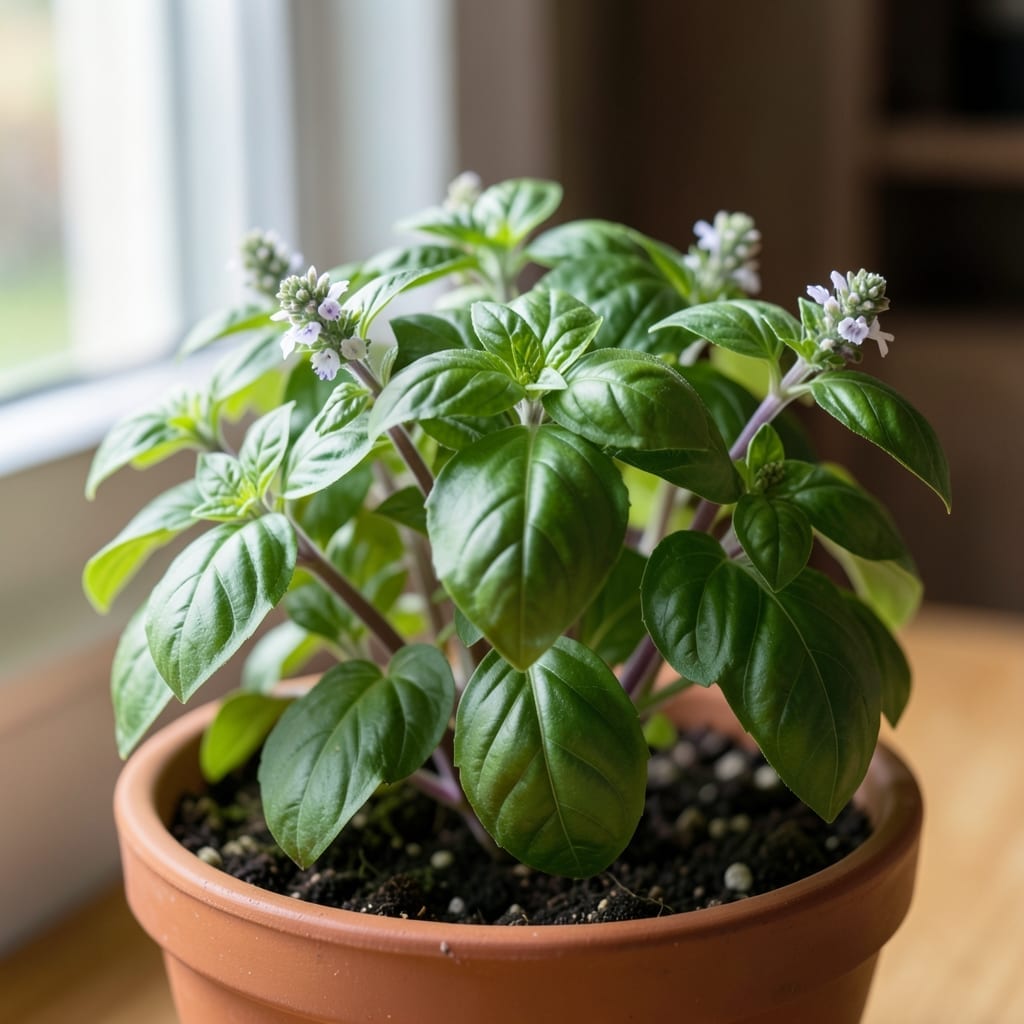
Basil thrives with the right amount of sunlight, but too much or too little can stunt its growth. Getting this balance right is the key to lush, fragrant leaves.
The 🌿 Basil plant needs consistent light to develop its full flavor and healthy growth. Whether you’re growing it indoors or out, sunlight plays a crucial role in its success.
Discover the exact daily requirements to keep your basil vibrant and ready for harvest. The difference proper sunlight makes will surprise you.

Growing healthy basil starts with understanding its sunlight needs. This sun-loving herb thrives best with consistent exposure to bright light throughout the day.
For optimal growth, basil requires 6-8 hours of direct sunlight daily. This ensures robust leaf production and intense flavor development in your plants. ☀️
| Requirement | Specification |
|---|---|
| Daily Sunlight | 6-8 hours |
| Light Type | Direct sunlight |
| Ideal Window | South-facing |
| Shade Tolerance | Low (needs full sun) |
In outdoor gardens, plant basil in a spot that receives morning sun and some afternoon shade in extremely hot climates. This protects leaves from scorching while still meeting light needs.
For indoor growing, place pots near a south-facing window where they can soak up maximum sunlight. Rotate the pot weekly to ensure even growth on all sides.
If your basil plants aren’t getting enough natural light, consider supplementing with grow lights for 12-14 hours daily. This works especially well in winter or cloudy regions.
Remember that sunlight intensity affects flavor. Basil grown in full sun develops stronger aroma and more potent oils in its leaves. Less light often results in leggy, weak-stemmed plants.
In hotter climates, afternoon shade can prevent leaf scorch. Watch for wilting leaves or brown edges, which may indicate too much direct sun during peak heat.
For container gardening, move pots to follow the sun’s path. This ensures your basil gets its required daily light quota regardless of your balcony or patio’s orientation.
Young basil seedlings need gentle introduction to full sun. Start with 2-3 hours of direct light daily, gradually increasing to the full requirement over a week. 🌱
Even with the best intentions, basil plants can show stress from incorrect light exposure. I’ve seen leggy stems and pale leaves signal a desperate need for more sunlight.
Too little sun causes sparse foliage and weak growth. Your basil may stretch toward the light, producing long, thin stems with few leaves. This is your plant’s way of begging for more light. ☀️
⚠️ Watch for Sun Stress
Yellowing leaves or brown edges often mean too much direct sun. Move your basil to a spot with afternoon shade to prevent scorch.
Too much sun can be just as harmful, especially in hot climates. Look for wilting leaves or crispy, brown patches, which indicate sunburn. A simple fix is providing shade during the hottest part of the day.
If your basil’s leaves are small and dull, it’s likely not getting enough light. Try relocating the pot to a sunnier window or supplementing with a grow light for 12-14 hours daily.
For outdoor basil, watch for leaf curl or bleached spots. These signs suggest the plant is struggling with intense sunlight. Use shade cloth to filter the light if needed.
Remember, balanced light is key. Basil thrives when it receives consistent, moderate sunlight without extreme exposure. Adjust its position as the seasons change to maintain ideal conditions. 🌿