
Beautiful Plants For Your Interior
Beautiful Plants For Your Interior
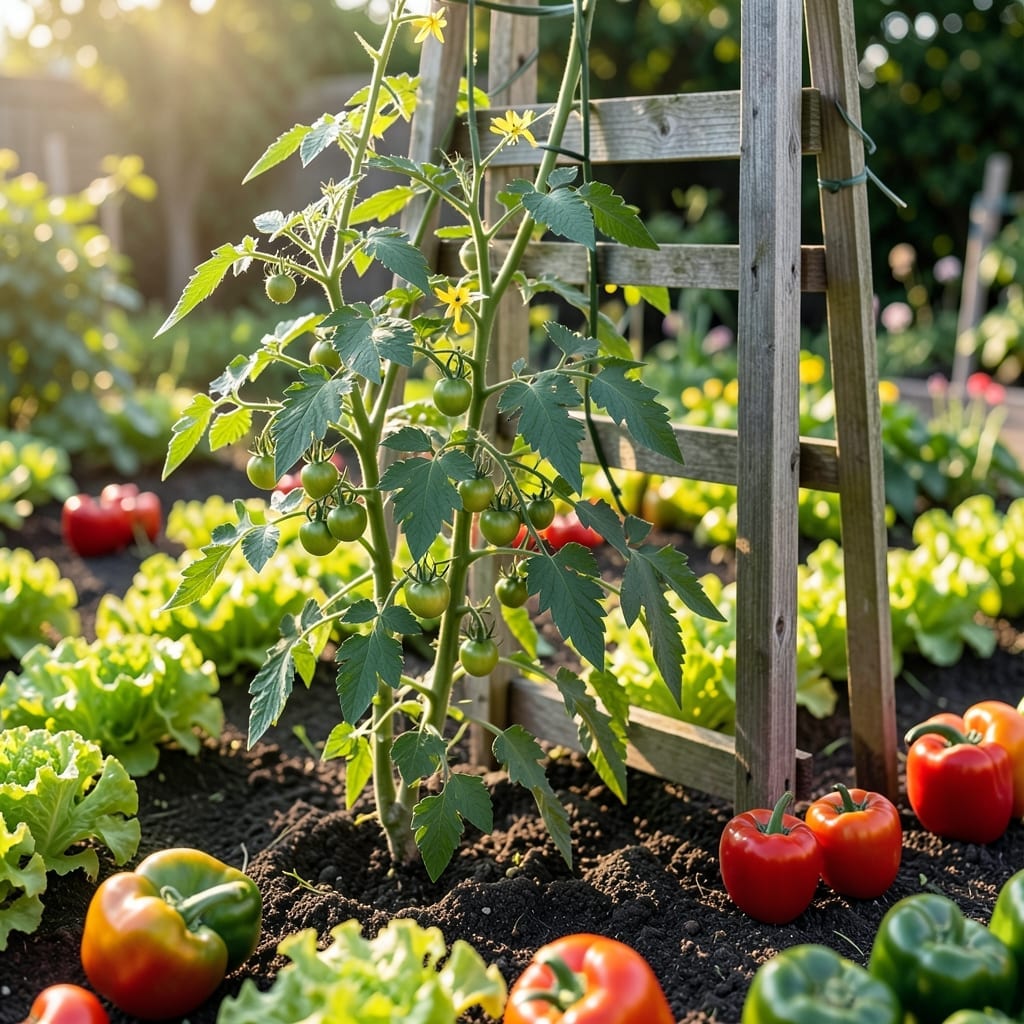
A thriving 🥕 Vegetable Garden starts with one critical factor: sunlight. Without the right amount, even the most carefully tended plants will struggle to produce a bountiful harvest.
I’ve seen firsthand how the wrong light conditions can turn a promising garden into a disappointing one. Whether you’re planting in Zone 6 or just starting out, understanding sun needs is non-negotiable for success.
Discover how to match your crops with their ideal light conditions and watch your garden transform from surviving to thriving this spring.

Most vegetable plants need 6-8 hours of direct sunlight daily to thrive. This full sun exposure fuels photosynthesis, which is essential for healthy growth and abundant harvests.
However, not all veggies demand the same light levels. Some leafy greens and root crops actually prefer less intense light, making them ideal for partial shade areas.
| Variety | Sun Needs | Notes |
|---|---|---|
| Tomatoes | 6-8 hours | Full sun for best fruiting |
| Lettuce | 3-6 hours | Partial shade prevents bolting |
| Peppers | 6-8 hours | Needs warmth and light |
| Carrots | 4-6 hours | Tolerates partial shade |
| Spinach | 3-4 hours | Grows well in cooler shade |
I’ve found that tomatoes and peppers are the most sun-hungry in my garden. They simply won’t produce well with less than 6 hours of direct light.
On the other hand, leafy greens like lettuce and spinach often do better with some afternoon shade, especially in hotter climates. This prevents them from bolting to seed too quickly.
Root crops such as carrots and beets are more flexible. They’ll grow with 4-6 hours of sun, though more light typically means better yields.
For my raised beds, I always place the tallest, sun-loving plants on the north side to avoid shading the shorter ones. This simple trick maximizes light for all my crops.
Remember that morning sun is generally better than afternoon sun. It’s less intense and helps dry dew from leaves, reducing disease risks in your garden.
If you’re working with limited sunlight, focus on fast-growing varieties. Radishes and bush beans can produce decent harvests with just 4-5 hours of sun.
In my experience, even partial shade gardens can be productive with the right plant selection. The key is matching each vegetable to its ideal light conditions.
Getting the most from your garden’s sunlight often comes down to smart placement and thoughtful design. Even with limited space, you can optimize light for all your plants.
I always start by observing how sunlight moves across my yard throughout the day. This helps me identify the sunniest spots for my most demanding crops.
For raised beds, I position them to take advantage of morning sun, which is gentler and helps dry dew from leaves. This reduces disease risks significantly.
Vertical gardening is a game-changer for small spaces. I train cucumbers and pole beans on trellises, which allows me to grow more in less space while maximizing light exposure.
In my experience, reflective surfaces can boost light levels. I’ve used white mulch and even aluminum foil on cardboard to direct extra light to my plants’ undersides.
Remember that container gardens offer flexibility. I move my potted herbs and leafy greens throughout the day to chase the sun or provide afternoon shade as needed.
Even in partial shade areas, I’ve had success by selecting the right plants and using these light-maximizing techniques. It’s amazing how much difference small adjustments can make.