
Beautiful Plants For Your Interior
Beautiful Plants For Your Interior
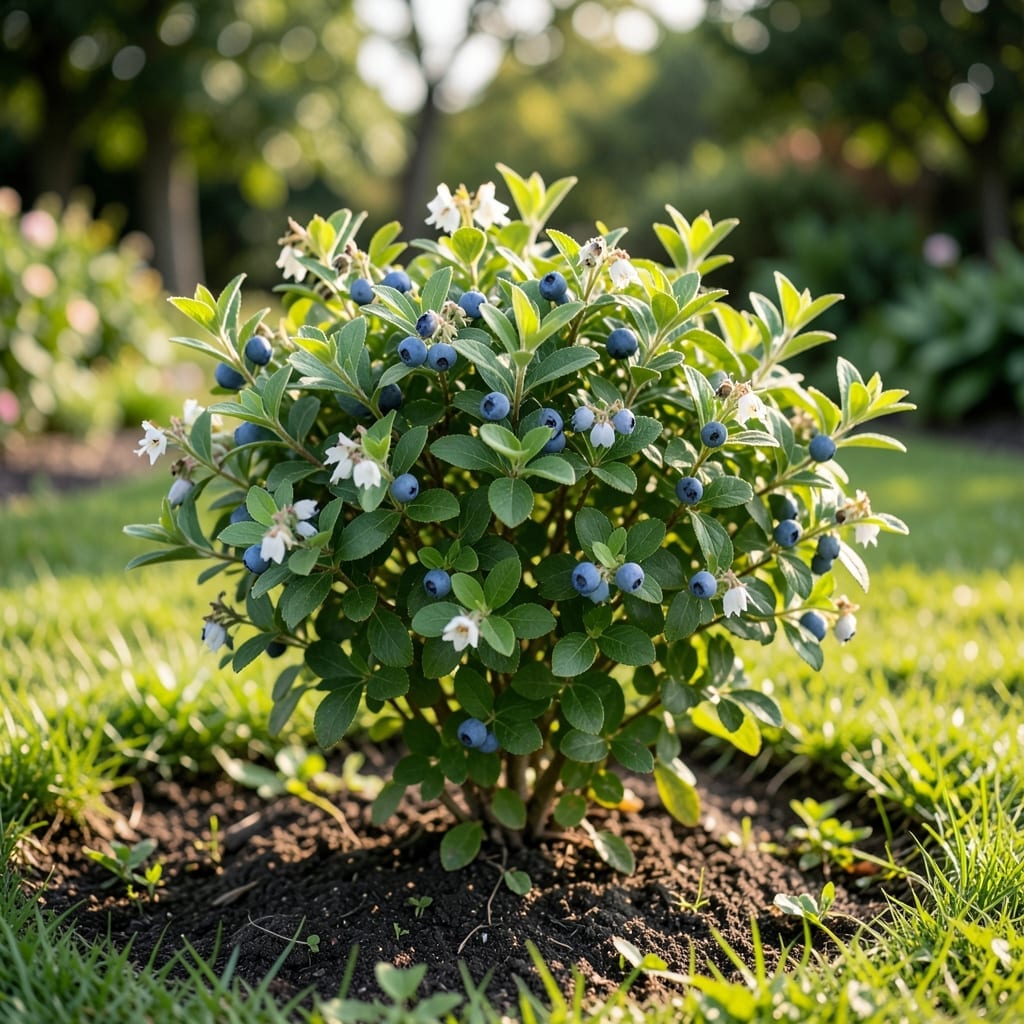
Ever notice how some Blueberry bushes produce an abundance of fruit while others struggle? The secret often lies in sunlight. Getting the light exposure right can make or break your harvest.
I’ve seen firsthand how the right balance of sun transforms a mediocre Blueberry plant into a thriving, fruit-packed shrub. It’s not just about more sun—it’s about the perfect amount.
Let me show you exactly how to nail the ideal light conditions for your bushes. You’ll be amazed at the difference it makes in your garden.

If you’re growing blueberry plants, sunlight is non-negotiable. Most varieties need 6-8 hours of direct sun daily to produce sweet, abundant fruit. Less than this, and you’ll see smaller berries and reduced yields. ☀️
But not all blueberries are the same. Highbush blueberries, the most common type, thrive in full sun but can tolerate partial shade. Lowbush varieties, like wild blueberries, often do well with slightly less light. ⛅
| Variety | Sunlight Needs | Notes |
|---|---|---|
| Highbush | 6-8 hours | Full sun ideal, tolerates partial shade |
| Lowbush | 4-6 hours | More shade-tolerant, wild types |
| Rabbiteye | 8+ hours | Needs most sun, heat-tolerant |
For Rabbiteye blueberries, which are popular in warmer climates, aim for at least 8 hours of sunlight. These plants are more drought-tolerant and handle heat better than other types. ✂️
In hotter regions, afternoon shade can prevent sunburn on leaves and fruit scald. Use shade cloth if temperatures soar above 90°F regularly. This is especially true for young plants. 🌡️
If you’re in a cooler climate, maximize sun exposure. Northern gardeners should place blueberries in the sunniest spot available, preferably with southern exposure to catch those rays. 🌱
Container-grown blueberries need just as much light. Move pots to follow the sun if needed, but avoid sudden light changes which can stress the plant. A sunny patio or balcony works well. 🪴
Remember, morning sun is more beneficial than afternoon sun. It helps dry dew from leaves, reducing fungal disease risk. Position plants to catch those early rays for best results. 💧
For established plants, prune strategically to improve light penetration. Remove old wood and open up the center to let sunlight reach all branches. This boosts fruit production significantly. ✂️
If your garden has limited sun, choose lowbush varieties or plant in raised beds to elevate them above shade-casting plants. Even then, 4-6 hours is the minimum for decent yields. ☀️
I always tell gardeners to watch their plants closely—blueberries give clear signals when sunlight isn’t right. Yellowing leaves often mean too little light, while brown, crispy edges can indicate sunburn from excessive exposure. ☀️
Another red flag is poor fruit production. If your bush is loaded with flowers but few berries develop, it’s likely not getting enough sun. Small, tart-tasting berries are another sign of insufficient light. 🌱
⚠️ Warning: Scorched leaves or wilting in midday mean your blueberry plant is getting too much direct sun. Move it to a spot with afternoon shade or use shade cloth. 🌡️
On the flip side, leggy growth with long, sparse branches suggests your plant is stretching for light. This happens when blueberries are in too much shade and need more sun. 🌿
If you notice leaf drop or stunted growth, check your light conditions first. These are classic signs of light stress, especially in container-grown blueberries that might not be getting enough exposure. 🪴
For young plants, sunburn can be fatal. If leaves look bleached or papery, provide immediate shade. Established plants are more resilient but still need protection during heat waves. ✂️
Finally, monitor your soil. Blueberries in shady spots often stay too wet, leading to root rot. Ensure good drainage and adjust watering if you’re increasing sun exposure. 💧