
Beautiful Plants For Your Interior
Beautiful Plants For Your Interior
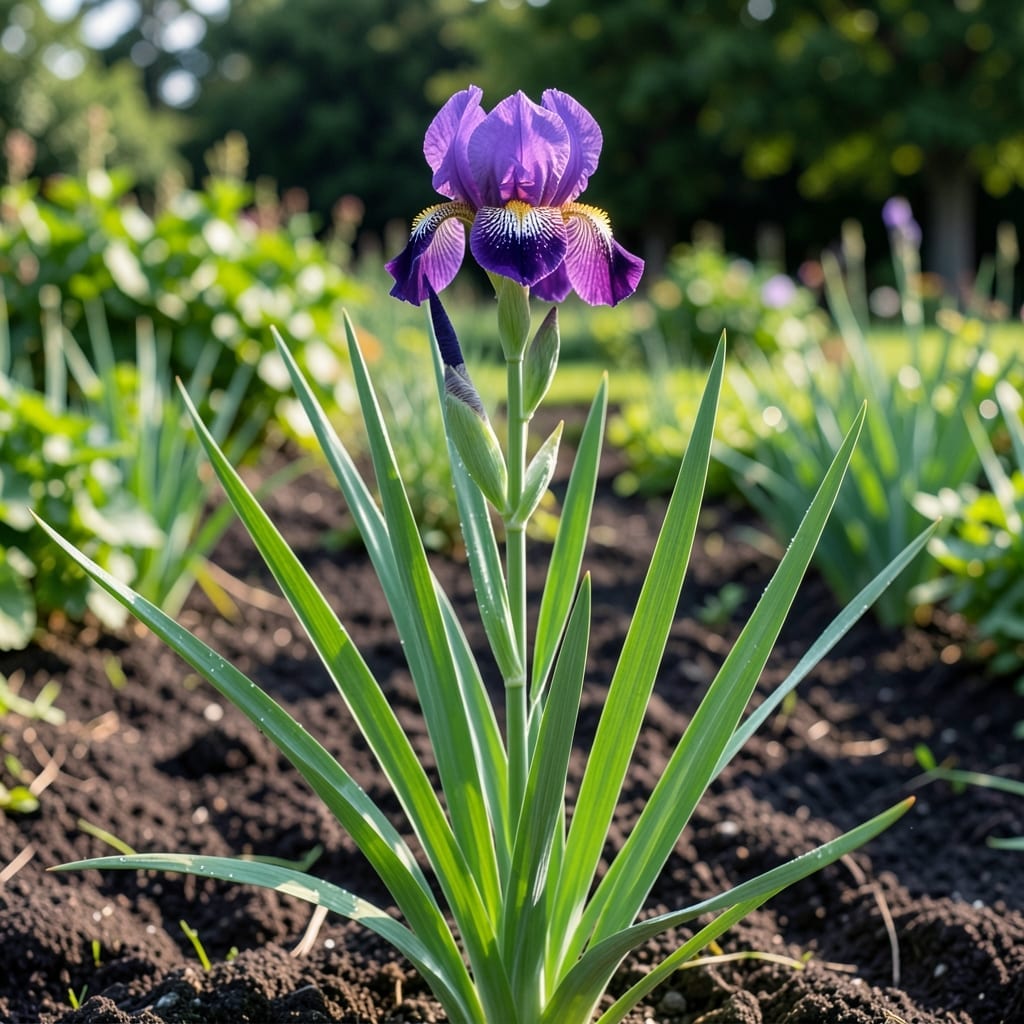
Watching your Iris struggle in the wrong light can be frustrating. These beautiful perennials need just the right sun exposure to flourish.
Get it wrong and you’ll see weak blooms or stunted growth. But with the right balance, your garden will burst with color and vitality.
I’ll show you exactly how to give your Iris the light it craves. Let’s turn those lackluster plants into the stars of your garden.

I’ve found that irises are surprisingly adaptable, but their sunlight needs vary by type. Most thrive in full sun, but some tolerate partial shade with adjusted care.
Getting the balance right means bigger blooms and healthier plants. Let’s break down what each iris variety prefers for optimal growth.
| Iris Type | Sun Requirement | Notes |
| Bearded Iris | Full Sun | 6-8+ hours daily for best blooms |
| Siberian Iris | Full Sun to Partial Shade | Tolerates 4-6 hours in hot climates |
| Japanese Iris | Partial Shade | Prefers morning sun and afternoon shade |
| Dutch Iris | Full Sun | Needs 6+ hours for strong stems |
Bearded irises are the sun worshippers of the group. They need 6-8 hours of direct sunlight daily to produce their iconic, vibrant blooms.
In my experience, Siberian irises are more flexible. They’ll thrive in full sun but can handle partial shade, especially in warmer zones where afternoon sun can be intense.
Japanese irises are the shade-tolerant exception. These beauties prefer morning sun and afternoon shade, making them perfect for woodland gardens or east-facing beds.
For Dutch irises, stick to full sun locations. They’re less forgiving of shade and need that extra light to maintain their tall, sturdy stems and consistent flowering.
Remember, even sun-loving irises benefit from some afternoon shade in extremely hot climates. I’ve seen bearded irises wilt in scorching midday heat without a little relief.
If you’re in a cooler climate, don’t hesitate to give your irises maximum sun. They’ll reward you with more flowers and richer colors when they get their fill of light.
For best results, observe your garden’s sun patterns throughout the day. Irises planted in full sun locations often bloom earlier and more abundantly than those in shadier spots.
I’ve learned that irises send clear signals when they’re light-deprived. The first sign is often fewer blooms than usual, or flowers that fail to open fully.
Another red flag is leggy stems that stretch toward the light, looking weak and sparse. The foliage may also appear pale green or yellowish instead of a healthy deep green.
Leggy stems and pale foliage mean your irises need more sunlight immediately. Without it, they’ll struggle to produce their signature vibrant blooms.
In my garden, I noticed my bearded irises produced smaller flowers when planted in a north-facing bed. Moving them to a sunnier spot transformed their performance.
Siberian irises might tolerate some shade, but even they’ll show reduced vigor without adequate light. Watch for sparse blooming or flowers that fade quickly.
Don’t overlook stunted growth as another indicator. Irises in low-light conditions often stay smaller and produce fewer flower stalks each season.
If you see these signs, it’s time to relocate your irises or prune nearby plants casting shade. A little adjustment can make a big difference in their health and flowering. ☀️