
Beautiful Plants For Your Interior
Beautiful Plants For Your Interior
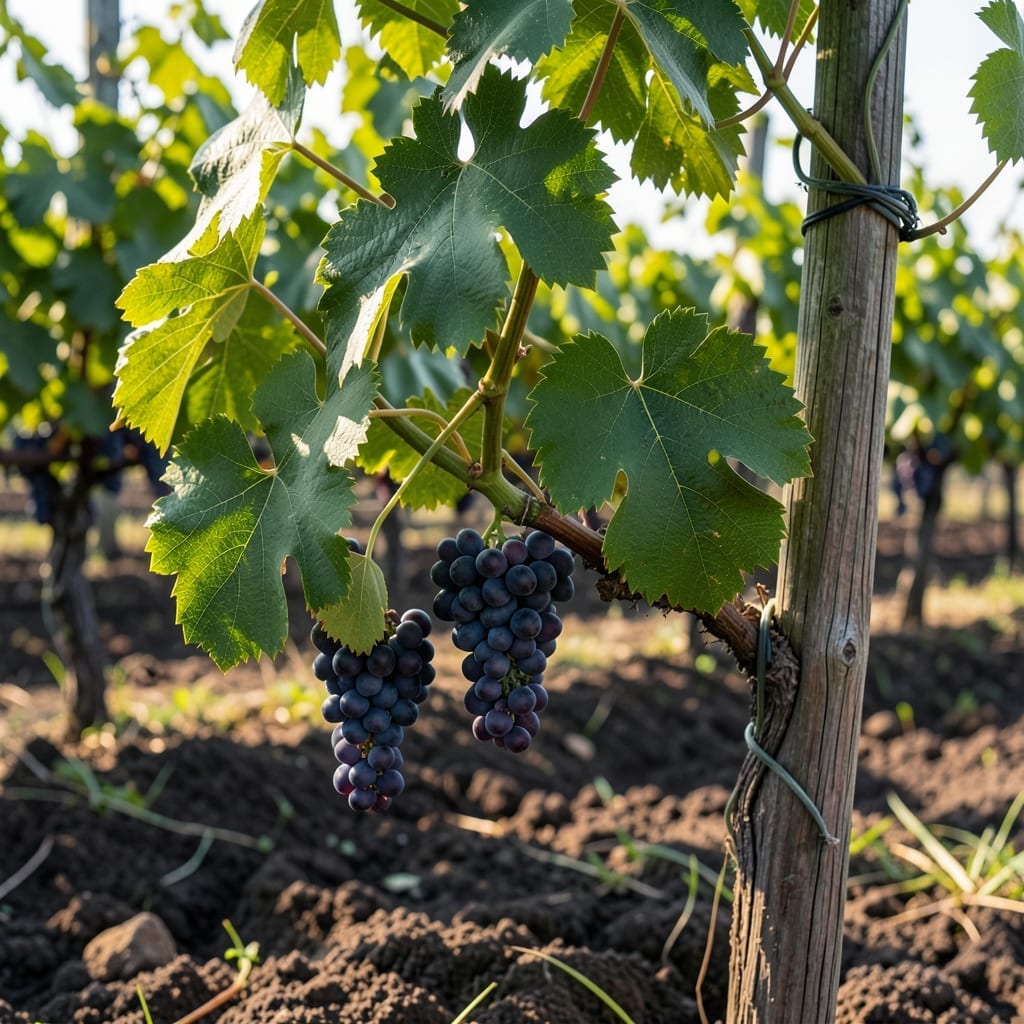
Growing juicy, flavorful 🍇 Grape in your backyard starts with one critical factor: sunlight. Without the right amount of sun, your vines may struggle to produce sweet, abundant fruit.
I’ve seen firsthand how proper light transforms grapevines from weak to thriving. The difference between lackluster and bursting-with-flavor harvests often comes down to this simple element.
Whether you’re planting in USDA zones 5-9 or adjusting for partial shade, understanding light needs is key. Even small tweaks to sun exposure can boost your vine’s health and yield.
Discover how to give your grapes the light they crave for a bountiful harvest. The right approach makes all the difference.

If you’re growing grapes, sunlight is non-negotiable. Most grape varieties thrive with 6-8 hours of direct sun daily. This isn’t just a suggestion—it’s the key to sweet, plump fruit and healthy vines. Without enough light, you’ll see smaller yields and less flavorful grapes.
Different grape types have slightly varying needs. Wine grapes often demand the most sun, while table grapes can tolerate a bit less. Muscadine varieties are a bit more flexible but still perform best in full sun conditions. ☀️
| Grape Variety | Ideal Sunlight | Climate Notes |
|---|---|---|
| Wine Grapes | 8+ hours | Hot climates, needs intense sun |
| Table Grapes | 6-8 hours | Moderate climates, adaptable |
| Muscadine | 6+ hours | Humid regions, heat-tolerant |
In my experience, morning sunlight is particularly valuable. It helps dry dew from leaves, reducing the risk of fungal diseases. If your garden gets afternoon shade, prioritize varieties that can handle slightly less light.
Regional climate plays a huge role too. In cooler northern areas, maximize sun exposure by planting on south-facing slopes. In hot southern climates, a bit of afternoon shade can actually prevent sunburn on the fruit. 🌡️
Sunlight directly impacts sugar development in grapes. More sun equals higher sugar content, which means sweeter fruit. This is especially important for wine production, where sugar levels affect fermentation.
For container-grown grapes, place pots where they’ll get uninterrupted sun. Balconies, patios, and driveways often work well. Just
If your space is limited, vertical growing can help. Train vines up a trellis or arbor to expose more leaf surface to sunlight. This technique works well in small urban gardens.
Young vines need sun to establish strong root systems. In their first year, focus on healthy growth rather than fruit production. By year two, with proper sun, you’ll start seeing substantial yields. ✂️
Finally, remember that sunlight needs change throughout the growing season. Early spring sun helps prevent frost damage, while summer sun fuels fruit development. Adjust your care routine accordingly for the best results.
If your grape vines aren’t thriving, insufficient sunlight might be the culprit. Look for poor fruit set, small berries, or excessive leaf growth—these are classic signs of shade stress. Vines need energy to ripen fruit, and without enough sun, they’ll prioritize foliage over grapes. ☀️
Another red flag is slow ripening or low sugar levels in your harvest. Grapes grown in shade often taste tart or bland because photosynthesis is limited. If you notice these issues, it’s time to assess your vine’s light exposure and make adjustments. 🌿
Poor fruit set, small berries, and excessive leaf growth signal insufficient light. Relocate vines, adjust trellises, or prune nearby trees to improve exposure.
To fix the problem, start by pruning nearby trees or relocating potted vines to a sunnier spot. If your grapes are planted in the ground, consider adjusting your trellis to angle vines toward the sun. Even a few extra hours of light can make a big difference. ✂️
For vines stuck in partial shade, thin out excess leaves to allow light to penetrate the canopy. This helps the remaining foliage and fruit get the sunlight they need. Just be careful not to remove too much—vines still need leaves to photosynthesize. 🌱
If relocating isn’t an option, try reflective mulches or white ground covers to bounce extra light onto the vines. These simple tricks can boost light exposure by 10-15%, which might be enough to improve your harvest. ☀️
Finally, if your garden has limited sun, choose shade-tolerant varieties like Muscadine or Concord grapes. While they won’t produce as abundantly as full-sun varieties, they’ll still give you a decent crop with 4-6 hours of sun daily. 🌿