
Beautiful Plants For Your Interior
Beautiful Plants For Your Interior
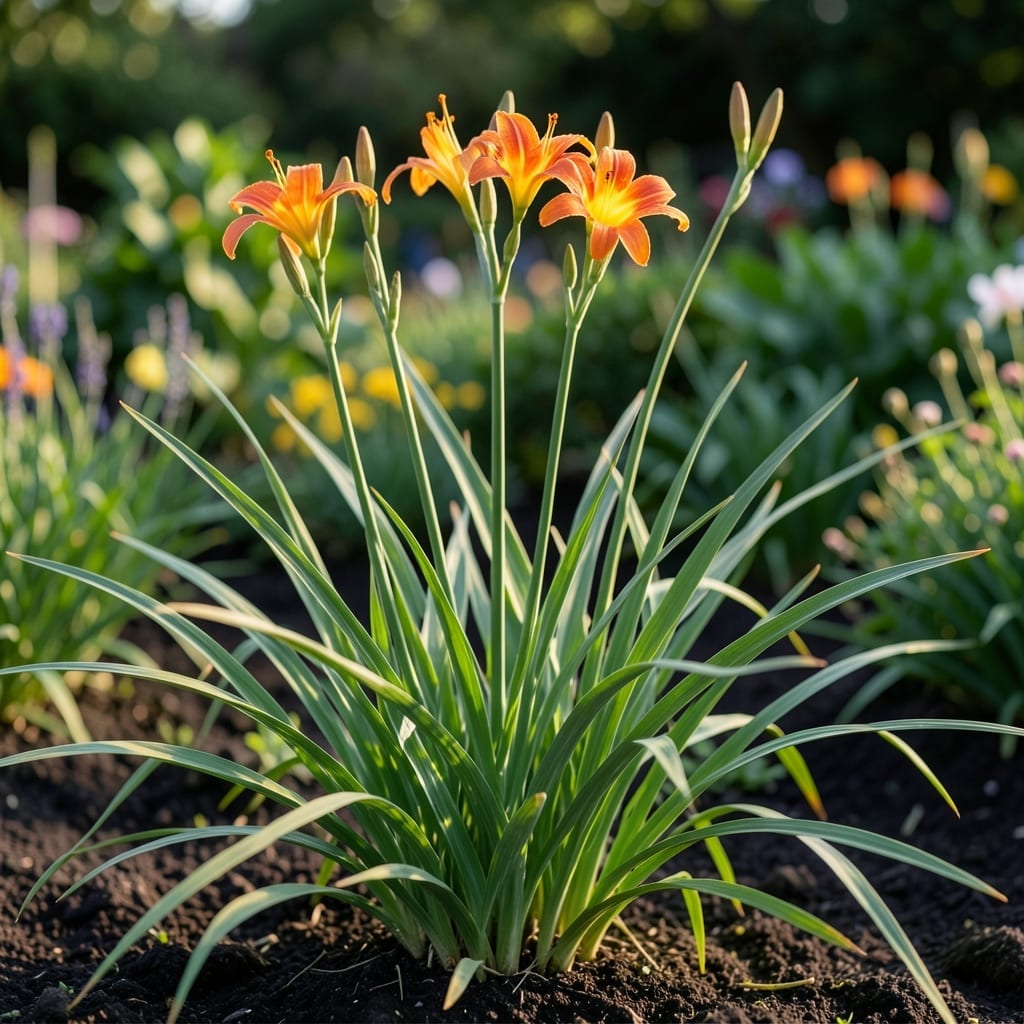
Daylilies 🌸 bring vibrant color to any garden, but their sunlight needs can be confusing. I’ve seen many gardeners struggle with weak blooms or leggy stems simply because they didn’t get the light balance right.
These hardy plants thrive across zones 3-9, yet their performance hinges on proper sun exposure. Whether you’re planting in spring or fall, understanding their light preferences is the key to lush growth.
Discover how to give your Daylilies exactly what they need for spectacular blooms. From full sun to partial shade, I’ll walk you through the simple adjustments that make all the difference.

Daylilies are sun-loving plants that truly shine with the right light. I’ve found they produce the most vibrant blooms and lush foliage when given proper sun exposure. These hardy perennials are adaptable but have clear preferences.
For optimal growth, daylilies need 6+ hours of direct sunlight daily. They’ll tolerate partial shade, but too little light can mean fewer flowers and weaker stems. Regional climate plays a role too—hotter areas may need some afternoon shade.
| Requirement | Specification |
|---|---|
| Ideal Sun | 6+ hours daily |
| Minimum Sun | 4-6 hours |
| Tolerates | Partial shade |
| Best Window | South-facing |
In my experience, full sun brings out the best color saturation in daylily blooms. Varieties like ‘Stella de Oro’ and ‘Happy Returns’ thrive in these conditions, producing waves of golden-yellow flowers all season long.
If your garden gets intense afternoon sun, consider planting daylilies where they’ll get morning sun and afternoon shade. This is especially important in USDA zones 8-9, where heat can scorch delicate petals.
For partial shade gardens, choose lighter-colored varieties like ‘Ice Carnival’ or ‘Pardon Me’. These can handle 3-6 hours of sun and still produce beautiful blooms, though they may flower less abundantly.
Seasonal adjustments matter too. In spring and fall, when days are shorter, maximize sun exposure. During summer’s peak heat, a bit of shade can prevent leaf scorch while maintaining bloom production.
Remember that soil moisture interacts with sun exposure. Daylilies in full sun need consistent watering, especially during dry spells. Those in partial shade can often get by with less frequent watering.
I always recommend observing your garden’s light patterns before planting. Use a sun calculator app or simply note how shadows move across your yard throughout the day. This simple step can prevent many common daylily growing problems.
With the right sun balance, your daylilies will reward you with months of colorful blooms, vigorous growth, and minimal maintenance. It’s amazing how much difference proper light can make in these resilient plants.
☀️Even the hardiest daylilies will show stress when they’re not getting enough light. I’ve noticed that pale or yellowing foliage is often the first sign your plants are sun-starved. The leaves may look less vibrant than usual.
Another clear indicator is sparse blooming. If your daylilies are producing fewer flowers than expected, or the blooms are smaller, they’re likely begging for more sunlight. These plants are prolific bloomers when happy, so a lack of flowers is a red flag.
⚠️ Warning: Leggy stems and weak growth are classic signs of insufficient light. Daylilies stretching toward the sun often develop thin, floppy stems that can’t support their blooms properly.
Don’t overlook blind stems—when daylilies produce stems but no flowers. This often happens in deep shade where plants get less than 3-4 hours of sunlight daily. The energy just isn’t there to produce blooms.
I’ve also seen cases where daylilies in too much shade develop fungal issues. Without enough sun to dry the foliage, moisture lingers and creates the perfect environment for powdery mildew or leaf spot diseases.
If you notice these signs, don’t panic. Daylilies are resilient and can often bounce back when moved to a sunnier spot. I recommend transplanting in early spring or fall to give them the best chance to recover.
For immediate help, try pruning back some overhanging branches or thinning nearby plants to let in more light. Even small increases in sunlight can make a big difference in your daylilies’ performance.
🌿